Category: Wildlife

Wildlife in the BET Reserves

There are over 860 species in our reserves – wow!   You can see the full lists here…

Sorted by Latin name:  BET Species List – October 2024; Sorted by common name:  BET Species List by common name – October 2024

The species were identified during the BET BioBlitz in June 2015 and the list has subsequently been updated to include additional finds and other seasonal species. 

Please take time to explore the following sections.  They are intended to provide an overview of the wonderful wildlife you can find in the BET reserves.  Hopefully the information will help you to enjoy the reserves and tell you a bit about the amazing flora and fauna you will encounter.

Clicking “Read More” under each picture below will take you to photos and stories of the enchanting wildlife in our woodlands…

  • Somerset Rare Plants Group Visit – June 2022

    Somerset Rare Plants Group Visit – June 2022

    Visit by the Somerset Rare Plants Group – June 2022

    On the 18th June, the Somerset Rare Plants Group made a return visit to the BET reserves. The group is made up of highly experienced botanists who aim to continue the long tradition of plant recording and conservation in the county. A member of the group visited BET three years ago and was so impressed she arranged a follow-up field trip.

    Nine members explored both reserves with their species-rich grassland – and weren’t disappointed. During the day they recorded 185 plant species in Jubilee Stone Wood and 118 in Badgers Wood.  More than five of these had not been recorded previously on BET land and will be added to our species list.

    Of particular note were the plants in the limestone heath area of the Coupe Meadow – including Heathers, Pill Sedge and Flea Sedge. Nearby they spotted specimens of Common Gromwell.

    Rare Plant Group 1
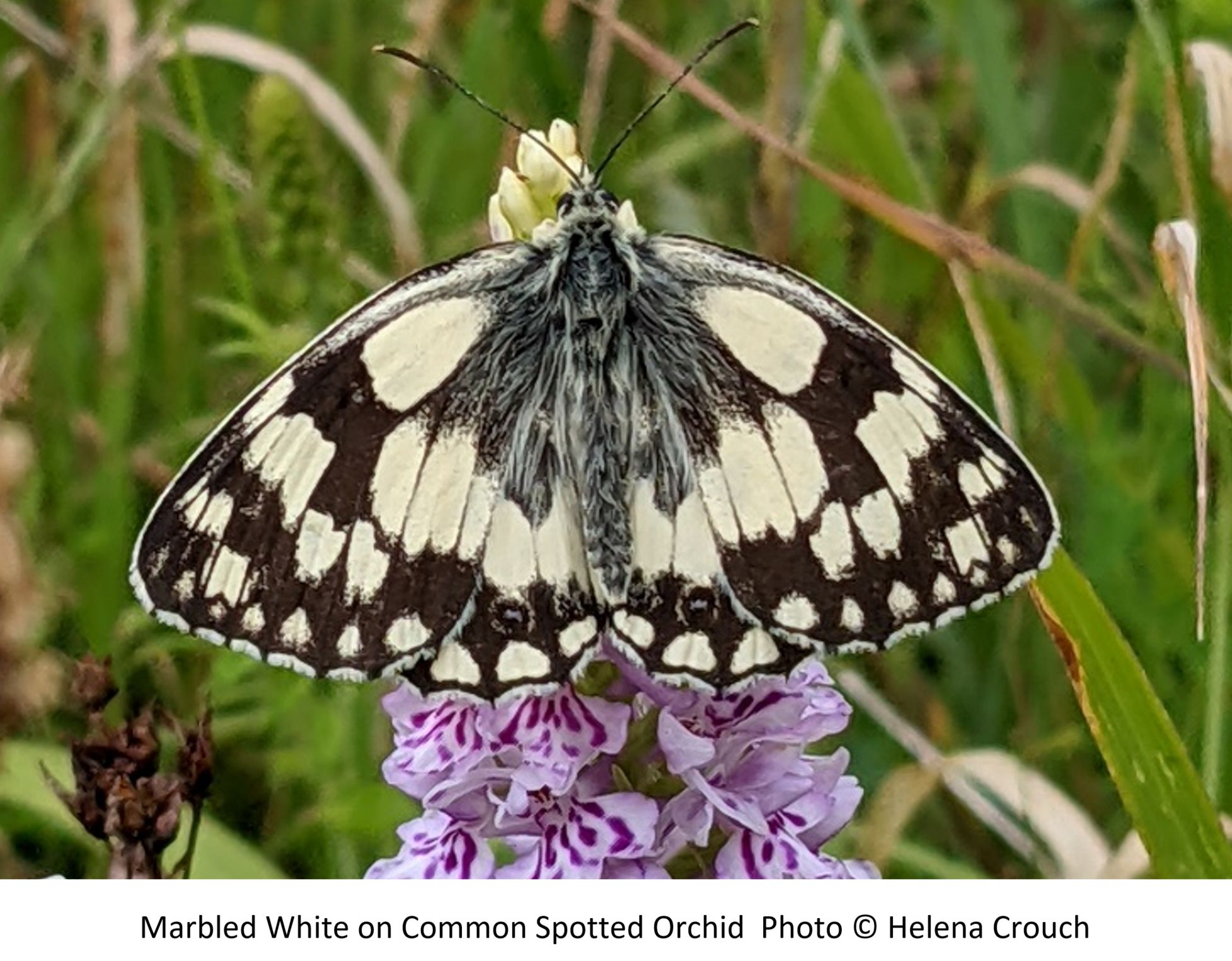
    Over in Badgers Wood, on the meadows near the quarry, the group was accompanied by Marbled White butterflies and took this splendid photo of one on a Common Spotted Orchid.

    Rare Plant Group 2

    The Fern Way footpath lived up to its name with its splendid Soft Shield-Ferns and Hard Shield-ferns.  One plant proved to be a bit of a puzzle and turned out to be Polystichum x bicknellii, a hybrid of the two species.

    The group really enjoyed their day and complimented BET on the well-managed reserves.

  • New Wildflower Meadow

    New Wildflower Meadow

    Fabulous New Wildflower Meadow

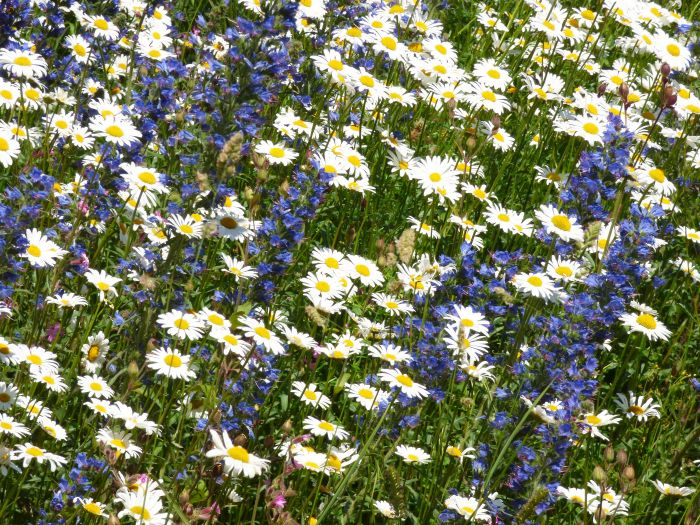
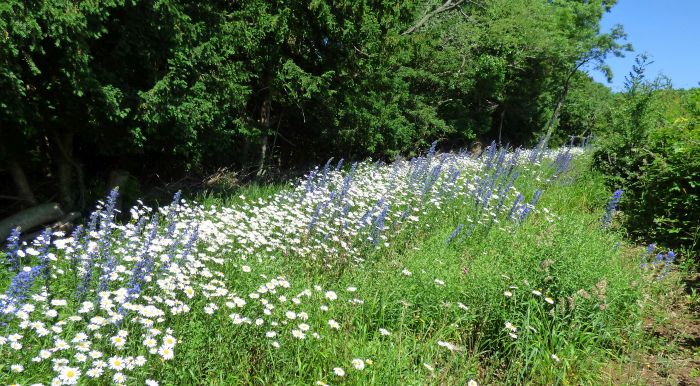
    If you have walked up the public footpath in Badgers Wood recently you will have been greeted by this wonderful sight!

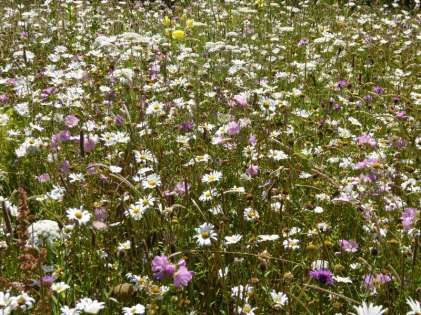
    Wildflowers closeup 700

    Since BET started restoring Backwell Hill’s long-lost wildflower meadows, our philosophy has always been to open up an area and then let nature do the restoration work for us. However in 2016 we tried something new with a 100m2 patch of fledgling meadow close to the top of the Fern Way.

    Inspiration came from the old Glassworks site (opposite Tesco) in Nailsea which was once alive with wildflowers before the area was landscaped a couple of years ago. Before the heavy machinery was brought in, volunteers from the Friends of Trendlewood Park collected as many seeds from the wildflowers as they could and transplanted them to a prepared site on the edge of the Golden Valley playing fields.

    FOTP wildflowers

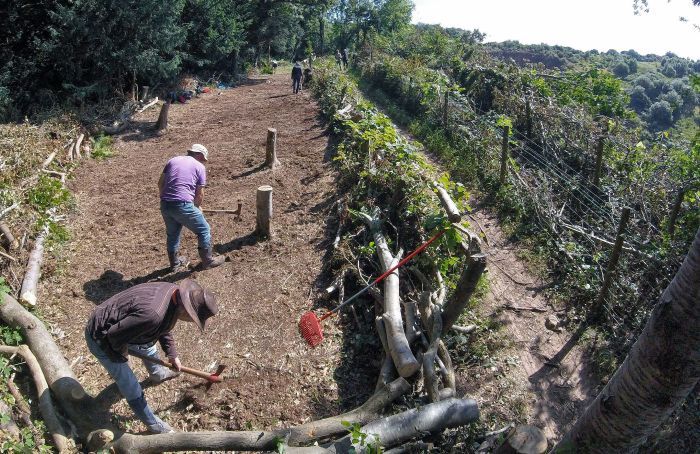
    The next summer the saved wildflowers looked fabulous so it got me thinking, could we try something similar on BET’s reserves? So in the summer of 2016, we removed the ground cover of ivy and bramble, hedge-laid and removed some nearby trees to let in more light, and finally broke up the soil to create a seed bed.   Meadow Creation 700

    In mid-September, the area was then seeded using UK-grown stock as well as seeds collected from BET’s own meadows.  We thought it would be fascinating to see just what would germinate in this trial meadow, but that we would probably have to wait for the summer of 2018 to see it in full bloom.

    We were right!  The results the following year were quite sparse but this year just look at the fabulous display! 

    Wildflowers 700

    The flowers in full bloom shown here in June are dominated by the white Oxeye daisy and the blue Viper’s bugloss. As the summer progresses, they will be followed by the purple reds of Greater knapweed, Musk mallow and Wild marjoram as well as the bright yellows of St. John’s wort and members of the Cat’s-ear and Hawkbit families, hopefully continuing this beautiful floral display well into the autumn. 

    Ian Chambers

  • Ash Dieback

    Ash Dieback

    Ash dieback 1

    Ash Dieback on BET Reserves – May 2017

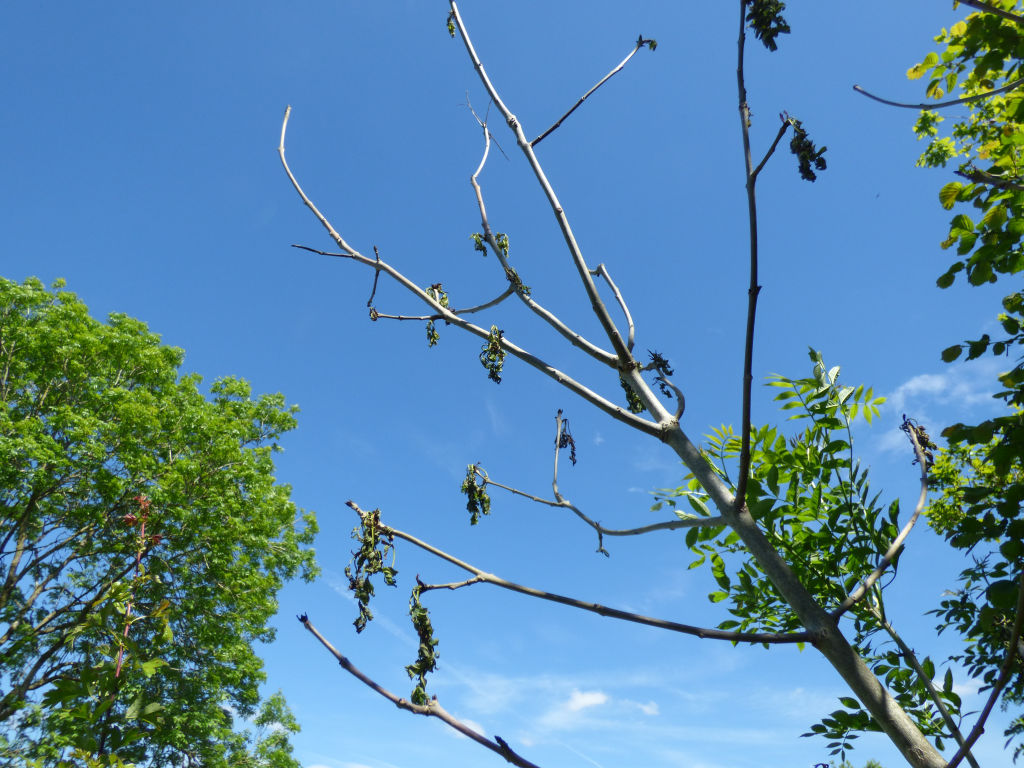
    We are sorry to report that some ash trees on BET’s nature reserves are showing signs of ash dieback disease.

    Ash Dieback Disease

    Unfortunately there are signs of this disease on some of our ash trees.

    Ash dieback 1

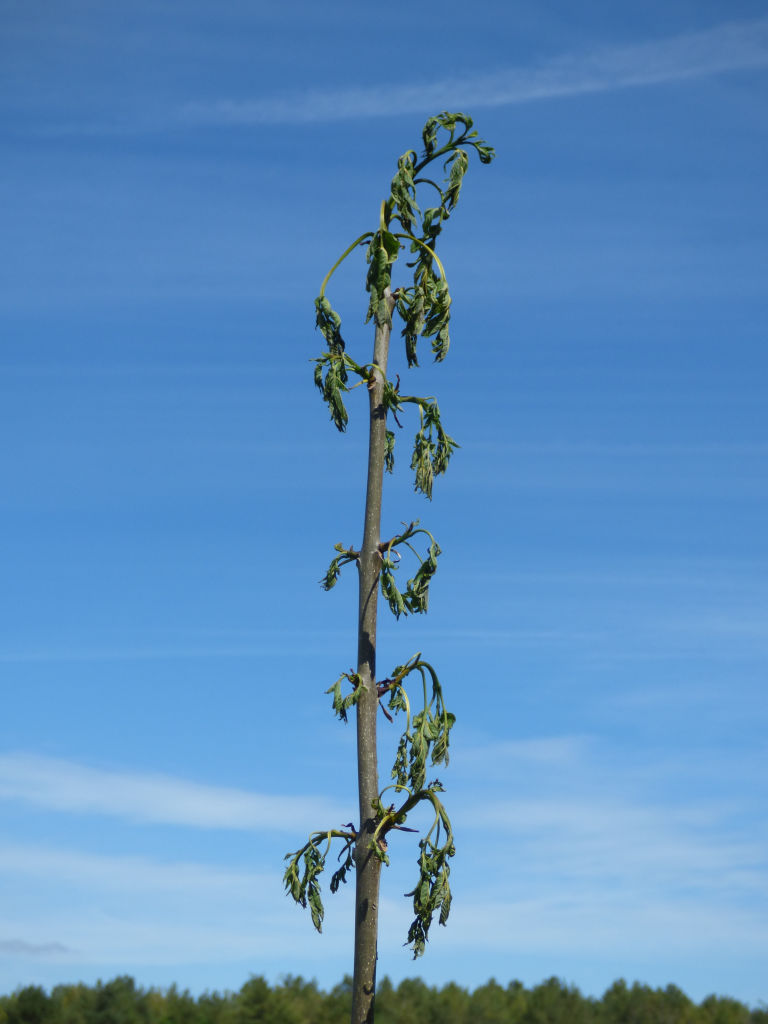
    ‘Chalara’ or ash dieback disease, is a disease of ash trees caused by a fungus called Hymenoscyphus fraxineus. Chalara causes leaf loss, crown dieback and bark lesions in affected trees. Once a tree is infected, the disease is usually fatal, either directly or indirectly by weakening the tree to the point where it succumbs more readily to attacks by other pests or pathogens such as honey fungus.

    Approximately 40% of the woodland on BET’s nature reserves is made up of ash trees so, if the disease did seriously take hold, there’s no doubt it would have a big impact on us. At the moment (May 2017), it seems to be the smaller ash trees (up to 4 metres tall) that are showing the most severe signs of infection, although a few 25 metres high mature trees have suspiciously still not come into leaf. We will probably not be required to take any drastic action such as felling a significant number of trees however, if any infected trees are located close to the road or footpaths, we would probably have to fell them on health & safety grounds.

    Ash dieback 2

    As the ash dieback fungus is classified as a quarantine organism, we have reported our sightings to the Forestry Commission. But it’s not all doom and gloom. It has been suggested that up to 3% of the UK’s ash trees could be resistant to the disease and as each ash tree produces thousands of seeds each year with a very high germination rate, the resistant strains could soon re-colonise our woodlands.

  • Higgy’s Magical Visit – Feb 2017

    Higgy’s Magical Visit – Feb 2017

    Colin Higgins, AKA ‘Higgy’ of YACWAG and Somerset Wildlife Photography fame, was brought up in Backwell and recently re-visited the two BET reserves in February.  Here is his story of the visit:

    Having been suffering with this awful virus that has been doing the rounds for 4-5 weeks, and waking up to sunshine following my first full night’s sleep for five days, the decision was easy; some good old fashioned ‘medicinal’ fresh air was required!

    Where to go? Having grown up in Backwell but moved away when my wife and I bought our first home some 25 years ago, I couldn’t resist a visit to my old ‘stomping ground’ of Backwell Hill!

    Despite only living in Yatton, I rarely get back and enjoy those long walks up over the top of the quarry and out to Long Lane, so with some excitement, I left home and drove to the Jubilee Stone reserve now managed by Backwell Environment Trust (BET). Having long been involved with my own local conservation group YACWAG, it’s always a treat to go and see the good work that other local groups are doing.

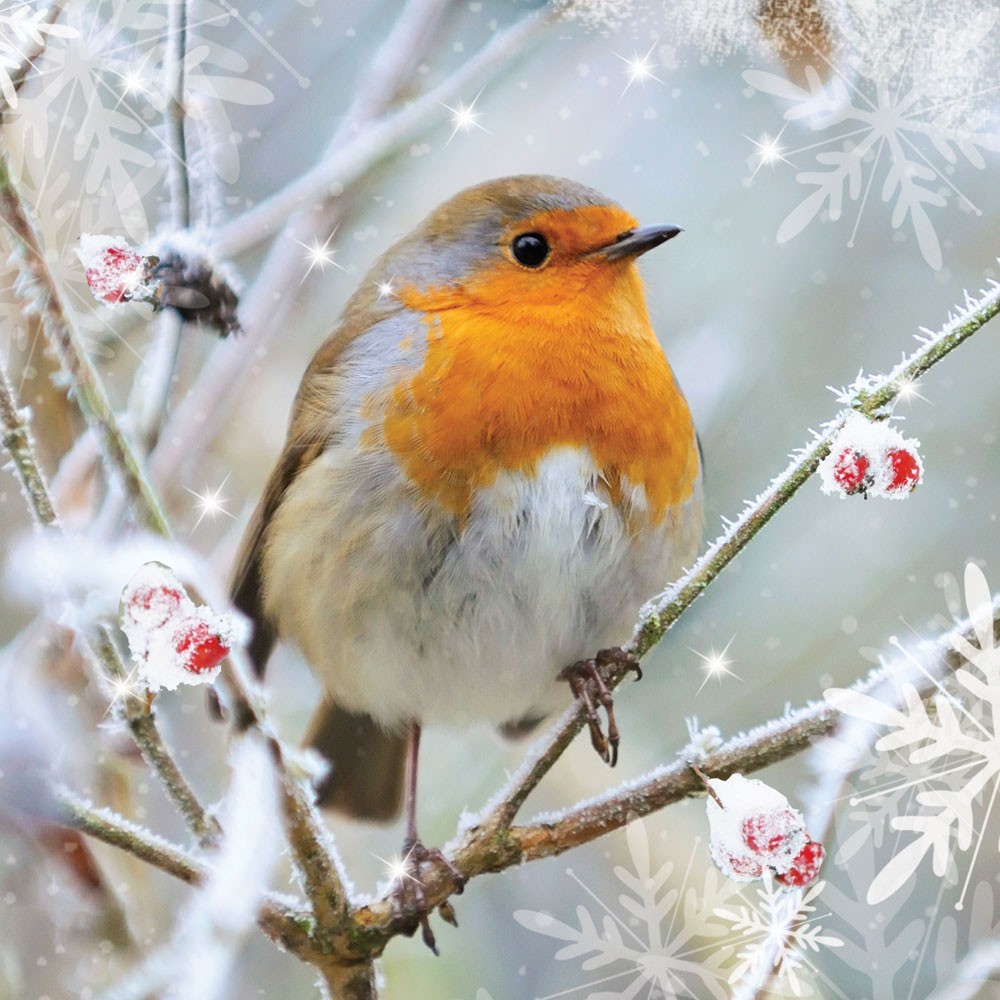
    Parking up, I could immediately hear the usual suspects in the form of Blue Tits, Great Tits and of course a friendly Robin, who was first to greet me at the gate.
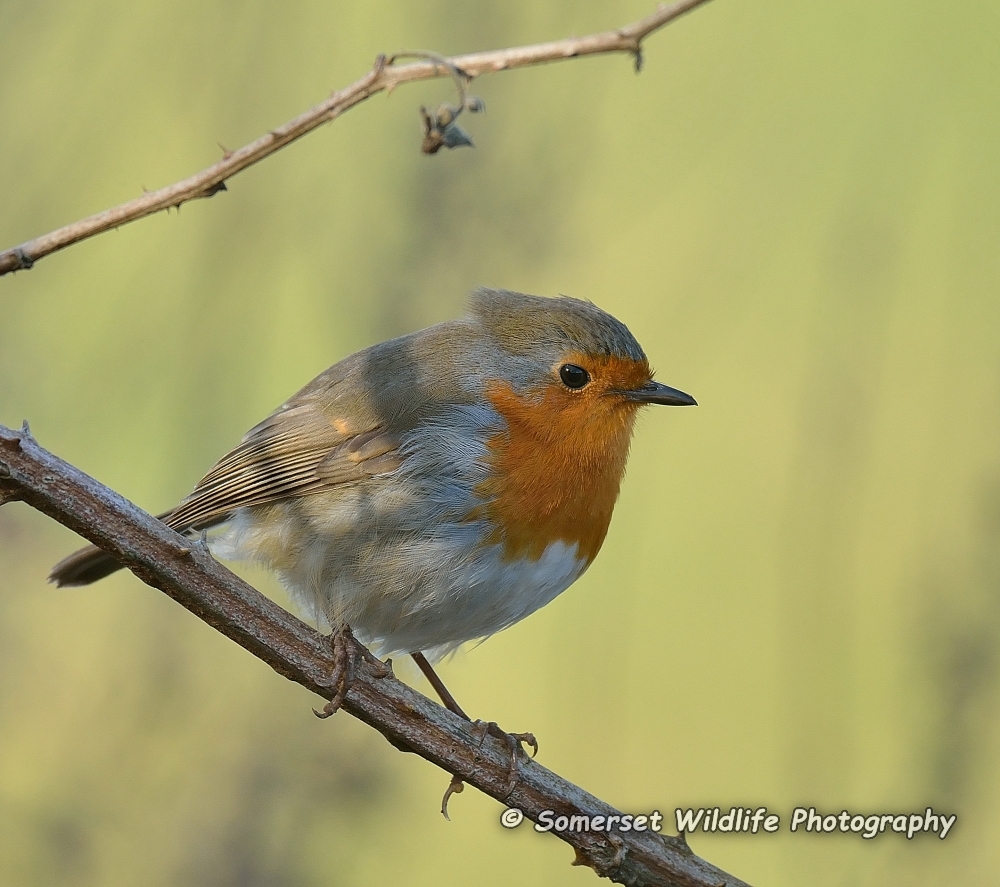
    Robin Erithacus rubecula 6

    I moved down the path towards the Jubilee Stone and bumped into a small flock of Goldcrest who were actually being quite vocal for a change! The usual wrestling match with my camera whilst trying to get a snap of this tiny but beautiful bird as it flitted in and out of branches was difficult, but I was finally rewarded with a couple of pictures that might be OK as a ‘record shot’.
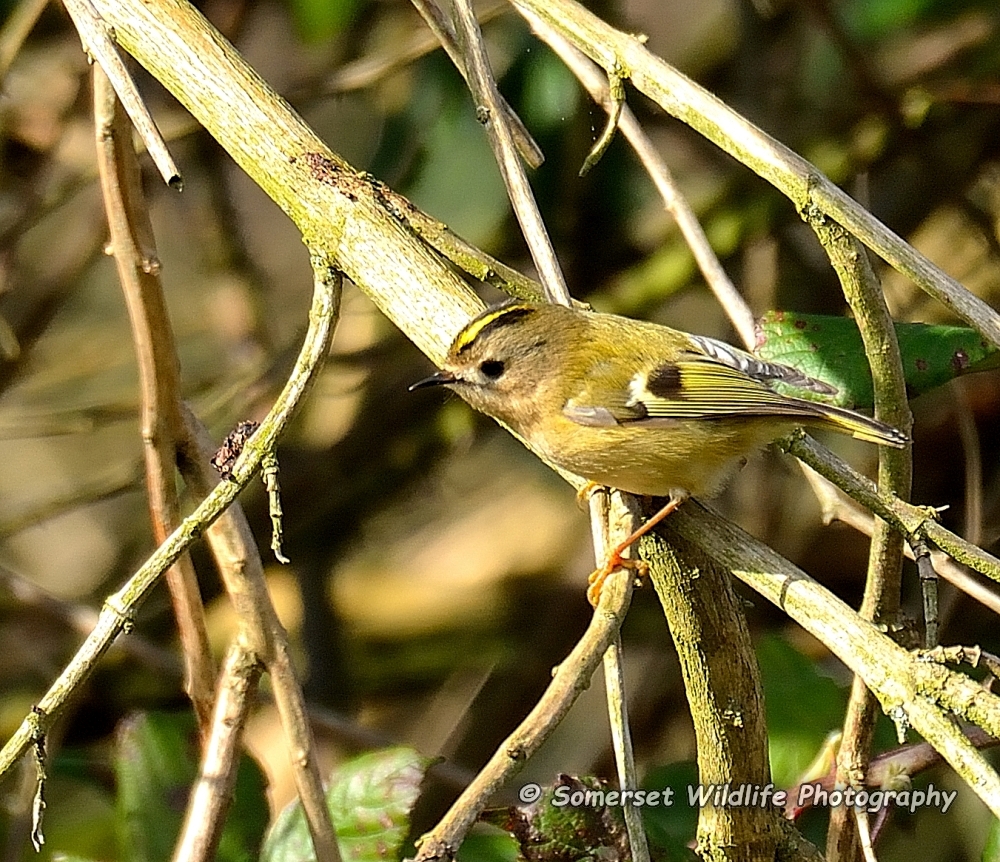
    Goldcrest Regulus regulus 7

    Moving on, the sound of bird song was obvious and I was accompanied through the wood by the alarm calls and chattering of Tits who clearly gave away my position and any hope of a stealthy approach!

    With my cover blown, I veered left and crossed the road over into Badgers Wood Reserve. I noticed straight away the work that has been carried out to make the site accessible to fellow nature lovers. I was heartened to hear the sound of birdsong actually increasing on this side of the road and at the top of the slope I was met with an amazing view over the old quarry and across Backwell and beyond. The clear sunny February day made it a pleasure to stand there and take in this wonder! Unfortunately, a huge flock of Jackdaws were in full voice and although I do enjoy Corvids, they can tend to be a bit noisy!
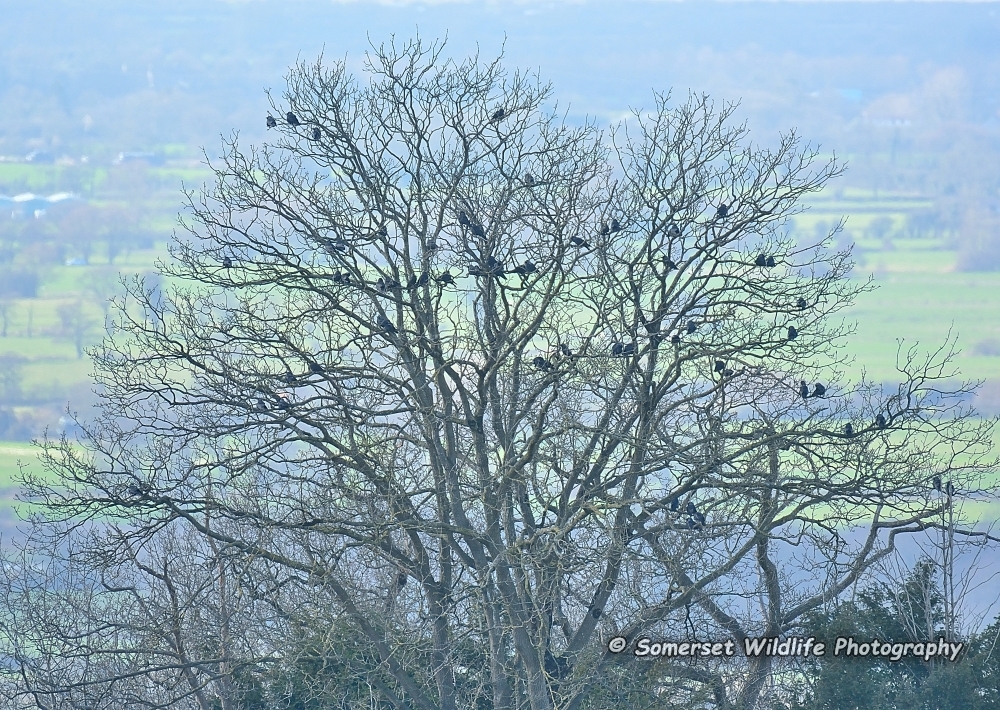
    Jackdaw Corvus monedula 7

    But I’m stuck to the spot at the amazing aerial display that these unappreciated birds were now giving me, tumbling and diving one after the other, truly spectacular!
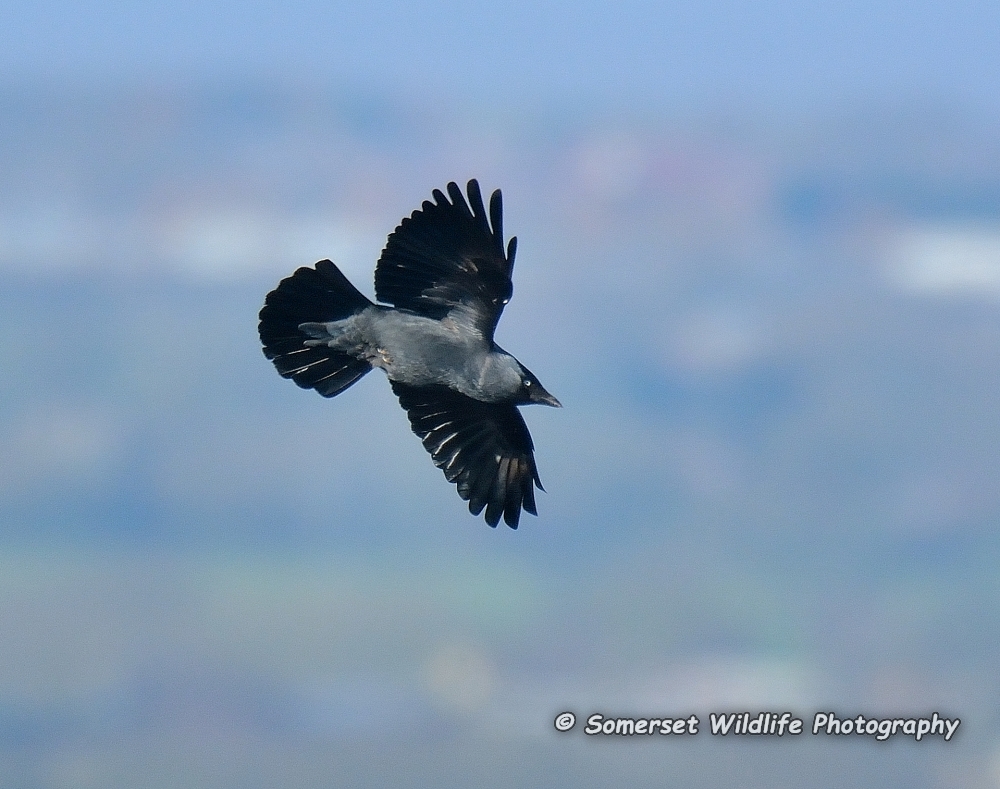
    Jackdaw Corvus monedula 2

    ‘Honk Honk’, the Ravens are also in full voice but beyond the trees and out of sight, a Buzzard calls high up on the thermals but again is as mystical as the Ravens.

    Over the stile, which is always a bit tricky with one false hip, but with no one watching, I take the chance and luckily land on both feet! I love this section now on top of the quarry or as kids forty years ago we would shout ‘On top of the world’! I pass the horses feeding and then I’m in the open field, but keeping close to the fence I can observe the Buddleia, Gorse and Hawthorn bushes that abound the top of the quarry and I strike gold! The February sun has bought out hordes of Bullfinches that are stripping the berries and seedheads.
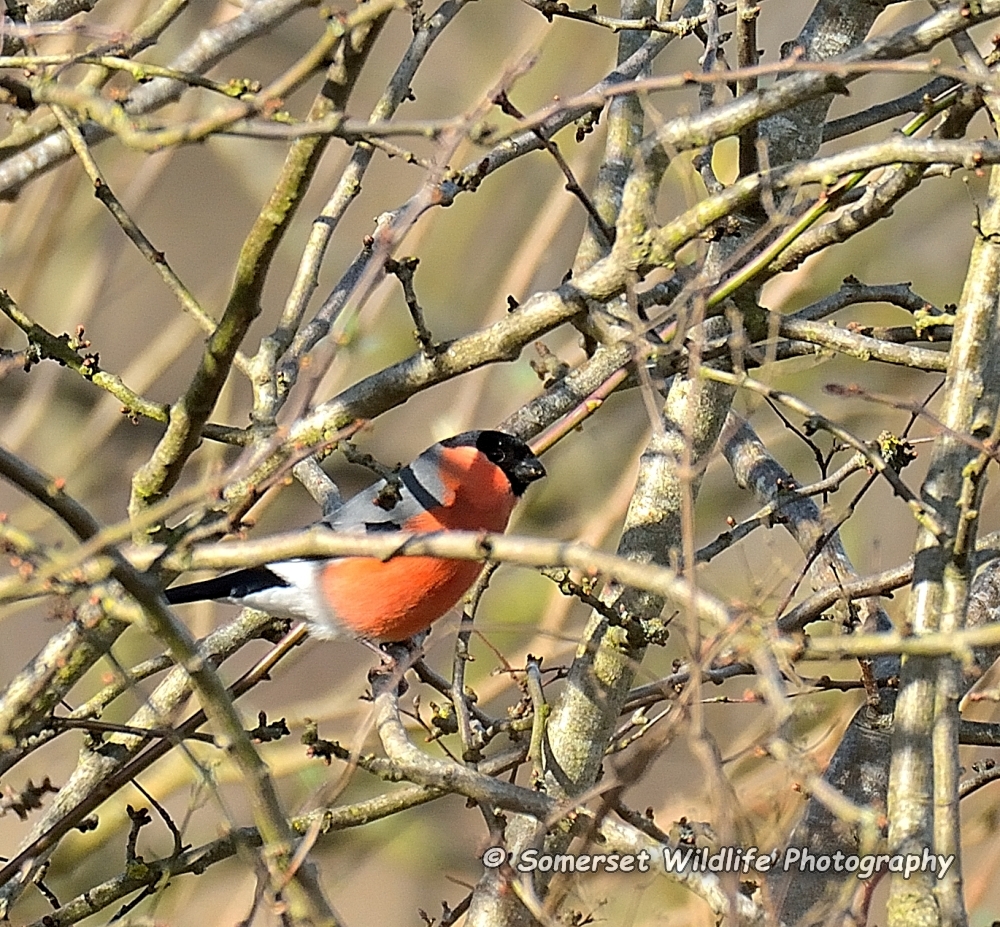
    Bullfinch Pyrrhula pyrrhula

    Although wearing camouflaged clothing and hat, I’m exposed here and only manage a couple of snaps before they take to the air like a squadron of RAF fighter jets with their pale rumps following them! I sit and wait to see if they will come back and I’m joined instead by another small flock of Goldcrest after the same seedheads. They ‘pose’ a little, just long enough for me to get a couple of slightly better snaps.
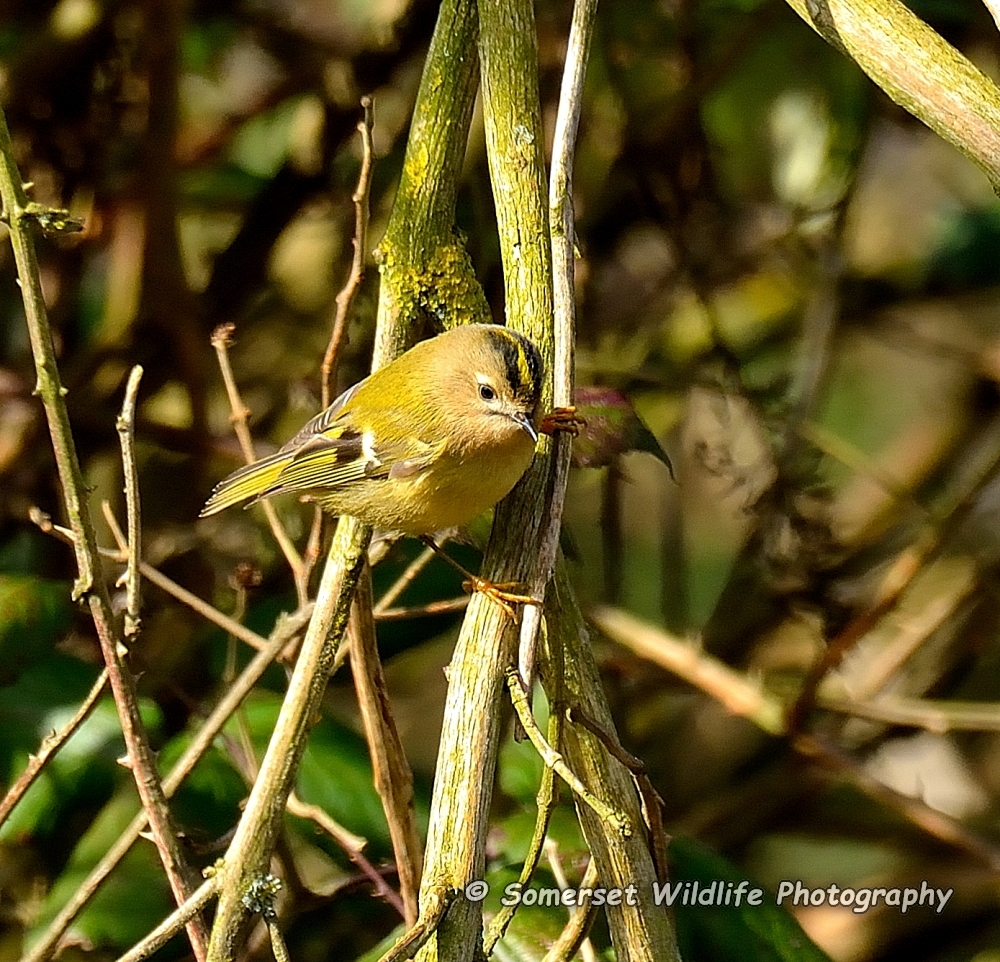
    Goldcrest Regulus regulus 4

    I spot some Fieldfare, a Wren and of course plenty more Finches and Tits before I turn around to head back, but something catches my eye and yes I’m right in full flight and flying with purpose a Peacock butterfly passes me heading in the opposite direction! This reminds me that I must come back here for butterflies this summer…
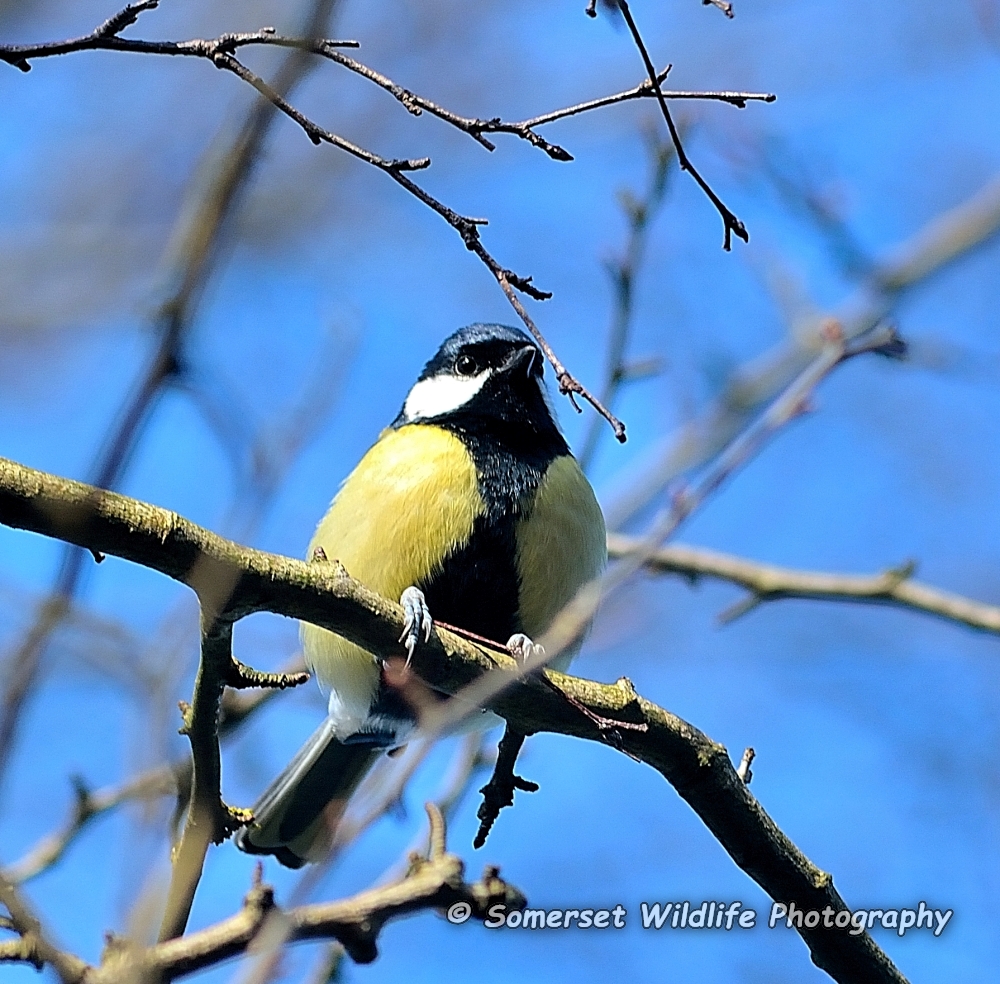
    Great Tit Parus major 2

    I wander back to the viewing platform and something is wrong! It’s quiet, ghostly quiet! One of those moments when in a horror film a ‘mad axeman’ might run out of the dark damp woods, but it’s clear and bright and the sun is causing me to pull the peak of my cap over my eyes…. and then there it is right in front of me! ‘Agggh I hadn’t expected that’ I exclaim as I wrestle with camera and binocular straps to get a shot at this beautiful predator and the reason why not a bird can be heard. The Peregrine must have been sitting up right under my nose and now it’s racing across the huge void of the quarry and I’m struggling to get focus on it or even keep my camera following it! I snap as many pictures as I can, I think I may have a blur that looks partially like a Peregrine but it’s proof if nothing else!
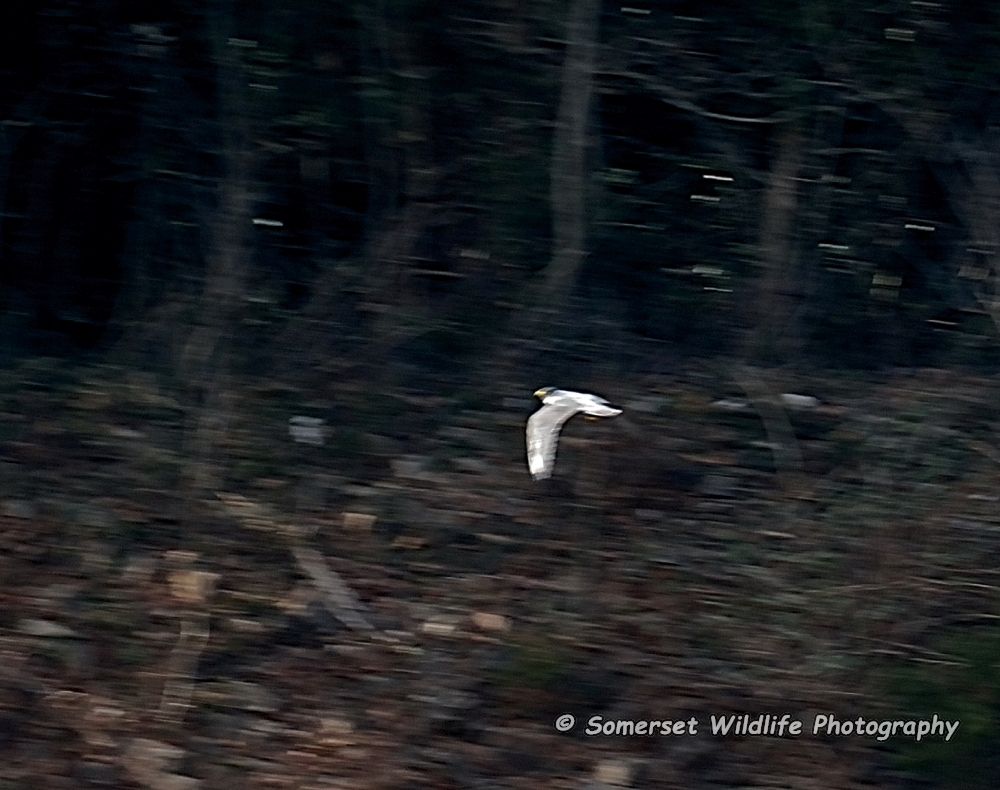
    Peregrine Falco peregrinus

    I wait to see if this magnificent bird will grace my presence again but realise that it’s fruitless when the Jackdaws go into overdrive and at full voice appear to come tumbling out of every tree. But the target of their excitement soon becomes clear as the huge Buzzard comes over my head, probably only twenty feet above me and now firmly in my sights.
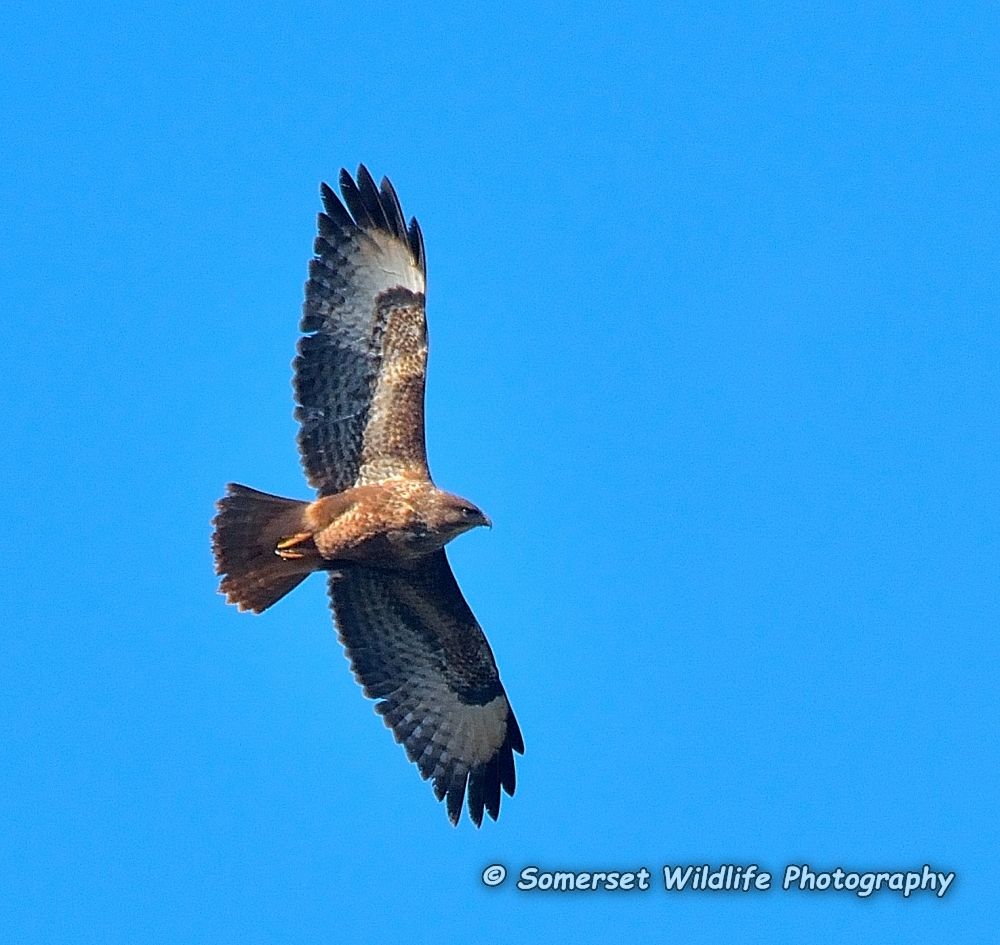
    Buzzard Buteo buteo 6

    Fulfilled and content, I stroll back across the coombe and back up into the Jubilee Wood Reserve and then take five minutes sitting on the wooden bench by the two ponds to have a sip of tea from my flask. The day has been so busy that I’m several hours in and haven’t thought to stop until now! As I sit there in the sun, a second Peacock butterfly flutters by as in a determined race as the previous one seen above the quarry. A real treat to see not one, but two, of these beautiful insects out in the February sun. Some rustling to my left alerts me to more company and this time it presents itself in the form of a beautiful brightly coloured Blue Tit, again so often overlooked but one of the first birds that we all learn as a child and one that should be admired along with the rest!
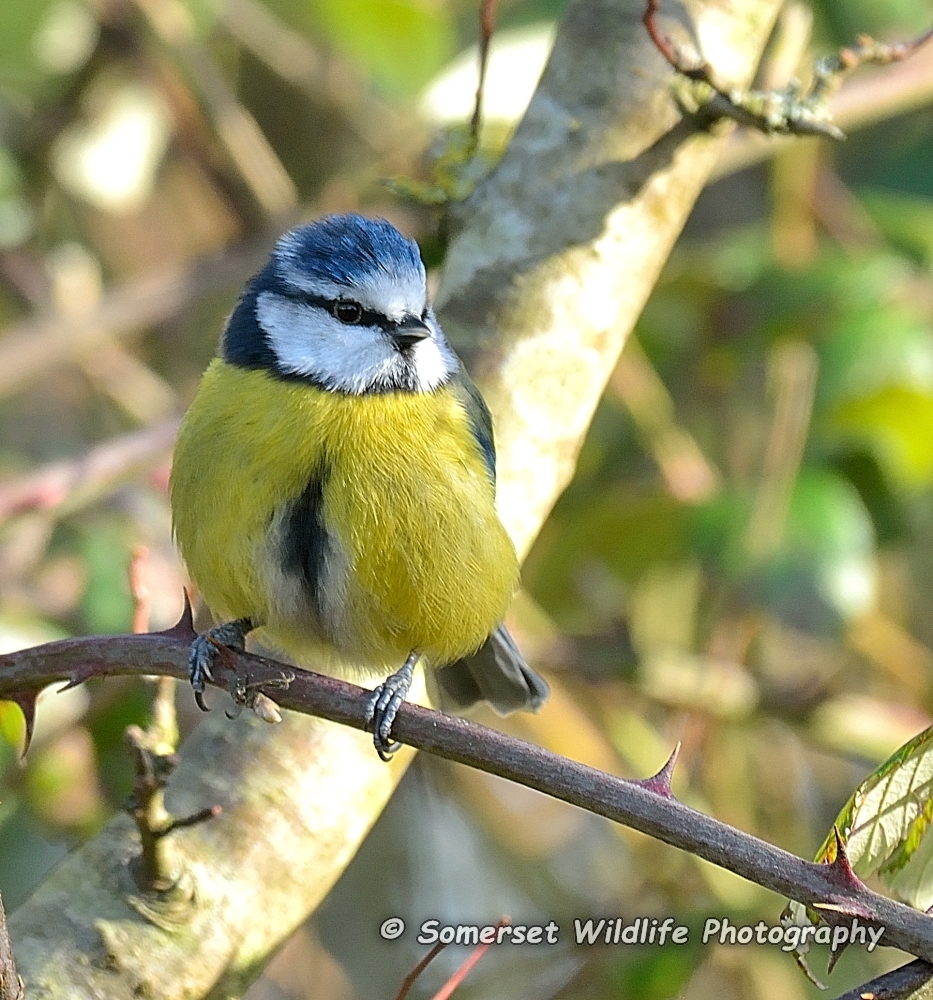
    Blue Tit Cyanistes caeruleus 2

    It really is time to go now and although I could stay here for several more hours easily, I have chores to do. I head back to the entrance of the reserve and I’m happy to see more Goldcrest and then in the top clearing I come across a family of Long-tailed Tits chattering away together. They always make me smile and it’s now that I realise what a tonic nature is, even when feeling ill or of low mood, the wonder of simple pleasures is unquestionable.

    I’m close to the gate and a Coal Tit darts across in front of me and finally I’m back at the car and it’s time for another quick brew before I leave this wonderful place. But of course I couldn’t leave without my new best friend ‘Mr Robin’ coming to wave me off!

    Many thanks to all at BET who have done a wonderful job saving what was my playground as a boy forty years ago. I truly enjoyed a wonderful day with easy access and lots to see! Great work, keep it up!

    All photographs courtesy of Colin Higgins and Somerset Wildlife Photography.

  • Xmas Bird Survey

    Xmas Bird Survey

    YACWAG 2017 CHRISTMAS BIRD SURVEY REPORT

    For many years now, YACWAG (Yatton and Congresbury Wildlife Action Group) has been organising a Christmas bird survey, recording all the birds coming into their members’ gardens over the festive period. This year they continued the expansion of their survey into Backwell and Nailsea by enlisting the help of both BET and NEWT members.

    The blackbird maintained its position as the bird seen in most gardens – 94 out of 102; the rest of the top ten were wood pigeon and robin (91), blue tit (80), great tit (73), magpie (71), house sparrow (68), dunnock (55), long-tailed tit (53) and goldfinch (52).

    The number of species landed in gardens was 46, the additional species that flew over was 8, the species only heard was 1.                       

    Trevor Riddle reports:

    In 2008, the wood pigeon wasn’t even in the top 10 gardens (where it landed) and nine years later it is second and almost first. Wood pigeons have overcome their shyness of humans and were seen in 90% of gardens. They may well out-compete collared doves, a species that has declined in abundance over a similar period, although collared doves seem to be more prone to predation by sparrowhawks.

    Goldfinches go from strength to strength with a remarkable 457 recorded. But bullfinch may be the ‘new goldfinch’ – they are appearing in more gardens year on year and are a very popular visitor. It’s good to see that greenfinches haven’t declined further this year – they are still suffering from trichomoniasis disease. One lucky member recorded two bramblings  (eight just before the survey started) and just a single siskin was seen; they are in very low numbers this winter.

    House sparrows are holding their own, but starling numbers continue to slide. Wintering blackcaps continue to increase whilst just a single chiffchaff was seen. A few favoured gardens are still visited by the (locally) scarce marsh tit. Other notable birds were two kingfisher records (from Congresbury) and just outside the survey period a garden woodcock in Backwell (23 December) and a fly over red kite at Cadbury Hill on 7 January.

    There were more sparrowhawk sightings this year although there is no evidence of an increase in numbers locally.

    Other wildlife reported by surveyors were squirrels (especially ‘stealing’ bird food), fox, rats and, of course, cats.  One surveyor recorded 27 visits per minute by various tits to a black sunflower feeder.

    If anyone would like a copy of the full results please let me know.  winlowman@hotmail.co.uk

    Trevor Riddle and Win Lowman,  January 2018

  • N Somerset Nature Net

    N Somerset Nature Net

    NSNNNorth Somerset Nature Net

    BET is pleased to be a member of the NSNN which has been set up to support and promote local conservation groups.

    The North Somerset Nature Net was formed during 2016 to provide a platform for local conservation groups to share their ideas and expertise and to promote collaboration between the groups.  So far eight groups have joined and are actively supporting each other and sharing resources and experience.

    The group has a website which aims to provide a consolidated view of what’s going on across all the groups and to help members of the public find out about local conservation activities, events and talks etc..

      http://northsomersetnaturenet.webs.com/

  • Yew are Amazing

    Yew are Amazing

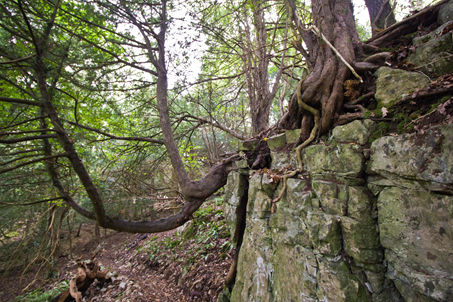
    I am fascinated by BET’s magnificent yew trees – they are so atmospheric, dark and moody. It also amazes me how these impressively large old trees can sprout out of seemingly solid limestone cliffs. Whilst working amongst the yews along the new Geology Trail, I thought I would do some digging!

    Yew trees geology trail

    I came across the website of the Ancient Yew Group (AYG) which has a mass of fascinating facts about yews. Of particular interest is that, in 2005 and 2011, Tim Hills of the AYG surveyed Somerset woods, including BET’s, and made special note of three yew trees in Badgers Wood and one on the other side of Cheston Coombe, in Jubilee Stone Wood. The largest of these has a girth of 16 feet and is estimated by AYG to be around 600 years old! Impressive indeed, but not nearly as old as the Fortingall Yew in Perthshire, and one in St Cynog’s in Powys, which are believed to be over 5,000 years old, and may be the oldest living organisms in Britain.

    Ancient yew treeYew trees are very difficult to age. Even if one can count the rings, they can have dormant spells when they stop growing for a while and then restart! Additionally, older trees often develop hollow trunks.
    Being slow growing, the wood is very hard and dense. It has beautiful colours ranging from the creamy sapwood to orange and purple heartwood. This makes it very special for wood turning, carving and furniture making.
    Traditionally yew was used to make English longbows. The sapwood of the yew is good in tension and the heartwood in compression. The best ‘selfbows’ were shaped from a single length of yew, using part sapwood and part heartwood, for the back and belly respectively.

    Long bow

    Straight lengths from the yew trunk were needed and once English stocks of yew were depleted, longbow staves were imported from Europe – Spain and Italy in particular. In Tudor times, to ensure a regular supply of fine-grained yew, each ton of certain imports, including wine, had to be accompanied by 10 yew staves.
    Yew was actually used for bows in Neolithic times. The Meare Heath bow, discovered in the peat of the Somerset Levels, dates from 2,600 BC.
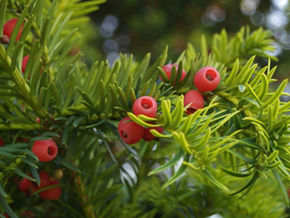
    All parts of the English Yew (Taxus Baccata) are highly poisonous, with the exception of the flesh of the red berries (or more correctly arils) of the female tree.

    Yew berries

    In the 1960s, it was discovered that the poisonous taxane alkaloids in yew could be used in the production of cancer treatment drugs, such as Taxol.
    In British folklore, yew is associated with immortality and death. Yew is well known for its association with places of burial and is a feature of many churchyards, often pre-dating the church. Many ancient yews are in close proximity to standing stones, stone circles, and pre-Christian burial sites. There was a pagan belief that the roots of the yew, being very fine, would grow through the eyes of the dead to prevent them seeing their way back to the world of the living. In more recent times, it became a custom for evergreen yew branches to be carried on Palm Sunday and at funerals, as emblems of the resurrection.
    All this still leaves me uncertain of the actual origin of BET’s yew trees! But, having such great age and majesty, we must admire and continue to look after our wonderful veteran yews, for generations to come. To quote from William Wordsworth’s poem, Yew Trees:

    Of vast circumference and gloom profound
    This solitary Tree! – a living thing
    Produced too slowly ever to decay;
    Of form and aspect too magnificent
    To be destroyed.

    Peter Speight

  • Nest Box Survey 2013/2014

    Nest Box Survey 2013/2014

    Nest Box Survey 2013/2014

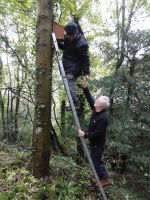
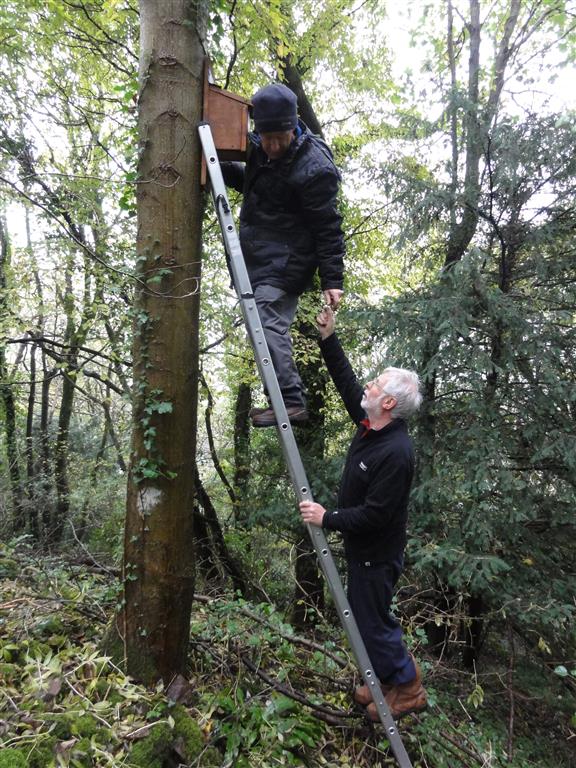
    Throughout BET’s reserves there are some 51 nest boxes, 22 in Jubilee Stone Wood (JSW) and 29 in Badgers Wood (BW).  Many of these have been made by the local cub groups over the years.  There are 2 Tawny owl boxes in each reserve which, sadly, have never been used by owls, only squirrels.  The other nest boxes are used almost exclusively by members of the tit family – mainly Great Tit, Blue Tit and, in the lower part of JSW, possibly some Marsh Tits.  Occasionally we have had other residents such as dormice, wood mice and wasps!  Each year, during the winter months, we try to ensure that the boxes are inspected, cleared out, maintained and refurbished where needed – but there is invariably the odd elusive one that gets missed!

    In February/March 2013, during that really cold spell, 28 boxes were checked in BW, of which 8 had nests including one with a 1 dormouse nest as well.  In JSW’s 21 boxes there were also 8 nests and 1 mouse tenant!

    Determined not to have to do the following year’s survey in such hostile conditions, and to give more time for refurbishment work, it was decided to start the process in November 2013.  The results show the number of nests was very similar to the previous season, though there was a huge increase in the number of dormouse nests such that next year it may necessary to take someone with a dormouse licence with us.  There was also more evidence of chick mortality which may have been due to the unseasonal cold weather and resultant shortage of insects.

    In BW, 25 boxes held 9 nests, plus 5 dormouse nests, 1 wasp nest and squirrel evidence in an owl box.  It is interesting that the dormice often seem to build their beautiful honeysuckle bark nests in boxes where there is already a bird nest, (though in the box with 2 dormouse nests there was no bird nest – presumably no room!).  There were 9 nests in JSW, plus 4 dormouse nests and evidence of squirrel occupancy in one of the owl boxes.

    {loadposition wownestbox}

    Thanks to Bill Charnock for the tremendous amount of refurbishment that he has done on the boxes this year, putting in drain holes and repairing lids and hinges, and to Brian Campbell and Derek Seddon.  Several boxes have needed replacing and 7 additional boxes have been put up, 3 in JSW and 4 in BW, in areas where there were none.

    Carrie Riches

    Trustee

  • Nest Box Survey 2015/2016/2017

    Nest Box Survey 2015/2016/2017

    Nest Box Survey 2015/2016/2017

    Clearing the nest boxes is a bit like a lucky dip – you never quite know what you are going to find.  In past years there have been indignant yellow-necked mice, a wasp nest, squirrel nests, a wad of wax moth cocoons, and always a selection of huge spiders, countless woodlice and fat slugs. 

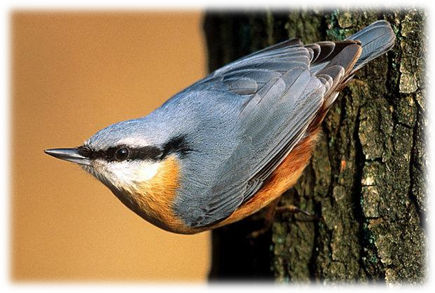
    Nuthatch

    We do also find bird nests and dormice nests and, as Gill will attest, fleas! The surprise for 2015/6 was finding that one of the owl boxes was not stuffed with the dead leaves typical of squirrel occupation, but dry green leaves indicating that a dormouse had been in residence.

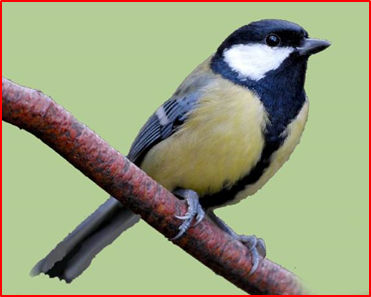
    Great Tit

    Jubilee Stone Wood has 26 boxes and Badgers Wood 30.  In both reserves about 50% had bird nests. On looking inside, what one hopes to see is a nest from which it is evident that all chicks have successfully fledged.  Occasionally we find abandoned clutches of eggs, or, sadder still, little skeletons. This year there were 4 obviously failed broods. The usual occupants are great or blue tits, but we did find 2 marshtit nests and one which was most probably that of a nuthatch.

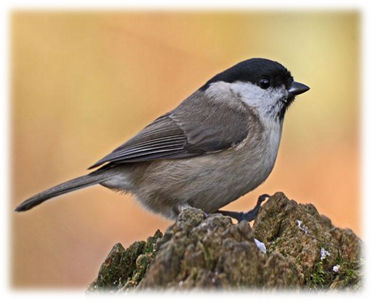
    Marsh TitThere are always a few yellow-necked mice, wood mice and dormouse nests.  This year there were at least 5 boxes which had both bird and dormouse nests, with a further 3 with just a dormouse nest.
    January 2017 update:

    Badgers Wood last year – 15 bird nests, 14 no nests, 4/5 dormouse nests;  this year – 14 bird nests, 17 no nests, 7 dormouse nests.

    Jubilee Stone Wood last year – 13 bird nests, 13 no nests, 4/5  dormouse nests;  this year – 11 bird nests, 15 no nests, 2 dormouse nests.

    Some boxes have both bird and dormouse nests.


  • Bluebells and Aliens!

    Bluebells and Aliens!

    Looking Forward to Spring

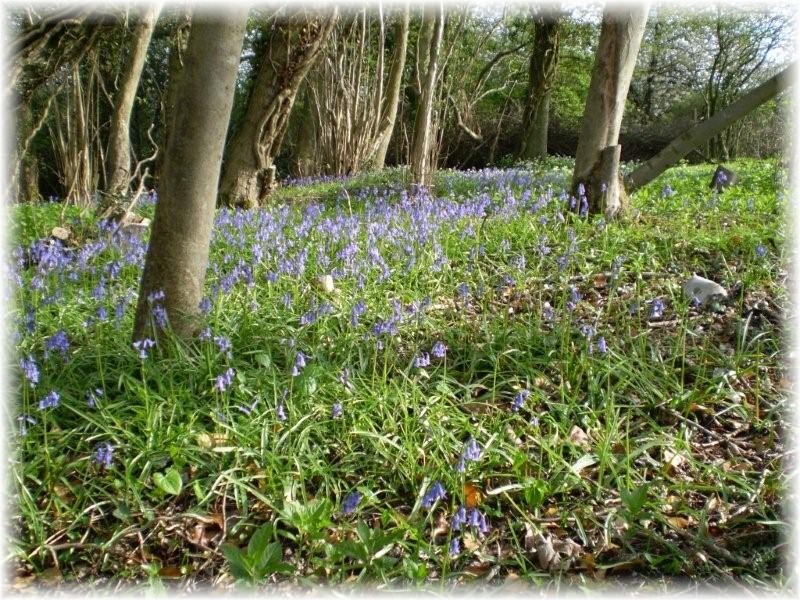
    If there’s one flower that symbolises the arrival of spring in England it has to be the bluebell.

    This amazing woodland plant has really made itself at home in the UK and in fact we have more bluebells here than in any other country. A woodland carpeted in bluebells is often a sure sign that the forest floor has remained relatively undisturbed for hundreds of years, which makes it a good indicator species for identifing ancient woodland.   

    bluebellwood
    The bluebells in BET’s nature reserves should be at their most spectacular in late April which makes it a great time to visit. The most dramatic displays are usually to be found in the lower sections of Jubilee Stone Wood and all along the public footpath running through Badgers Wood.
    Aliens in Badgers Wood! This spring we have found and removed a patch of undesirable Spanish Bluebells. This variety is commonly grown in gardens and can crossbreed with our more delicate native species, diluting its unique characteristics.  See this website for information on How to Identify Spanish Blubells and let us know if you think you have spotted more of them in our woods.
    As well as the bluebells, the intense white flowers of the wild garlic are typically in full bloom at the same time. They can also form large drifts on the woodland floor and are hard to miss especially with their faint whiff of garlic as you brush pass them!   
    And don’t forget that Jubilee Stone Wood and Badgers Wood both have secure, level wheelchair-friendly trails, so there is really no excuse for not paying us a visit this springtime!   (Check out the map and parking directions by clicking on ‘Our Reserves’ in the Main Menu).