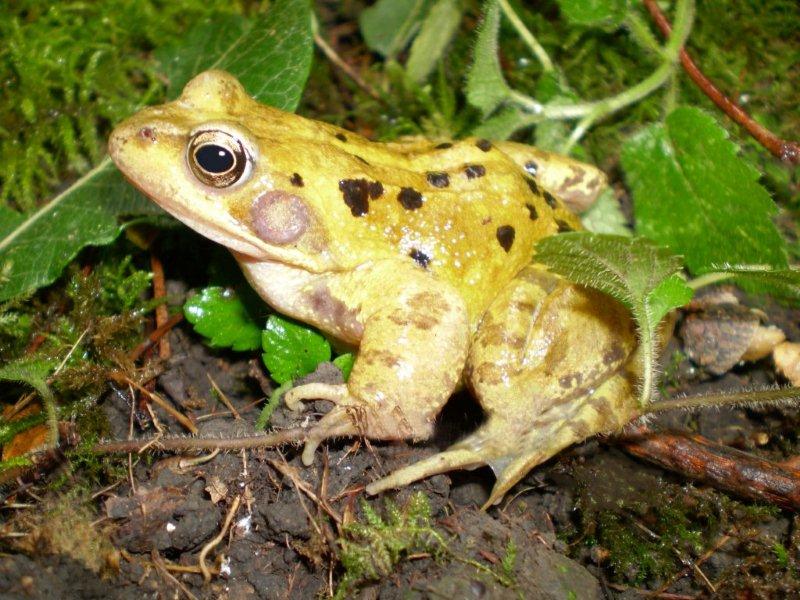
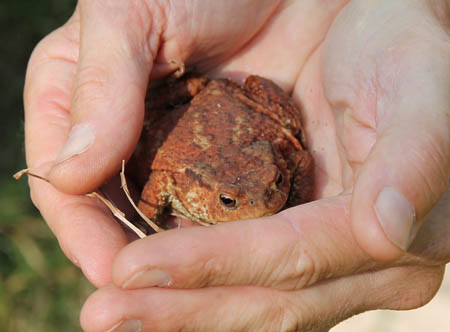
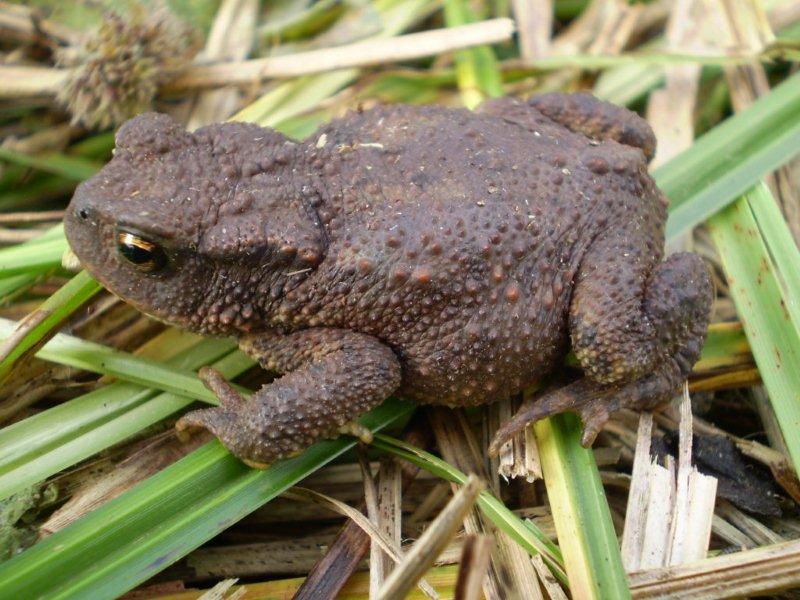
Frogs are one of several groups of friends waiting to be discovered.
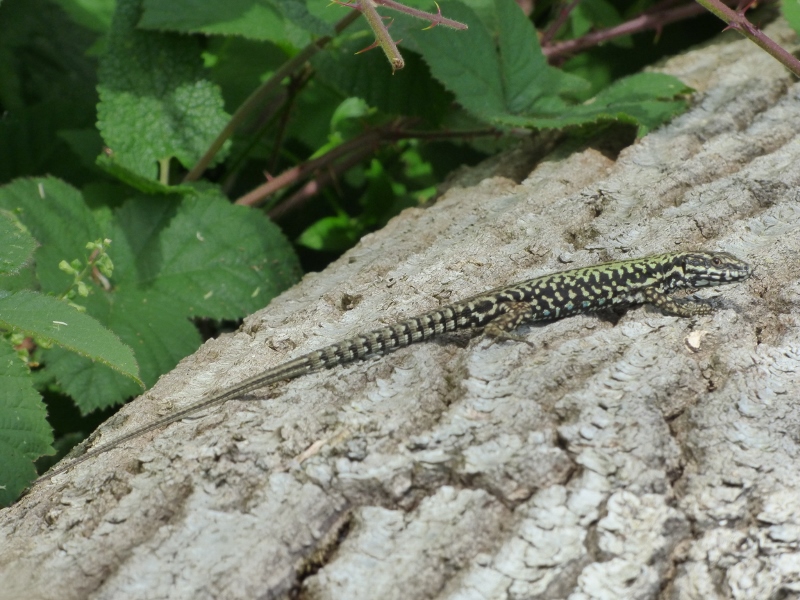
Our most recent discovery is the rare Wall Lizard which can often be seen basking on a seat in Badgers Wood.
…20 years of conservation, protection, improvement..
Frogs are one of several groups of friends waiting to be discovered.
Our most recent discovery is the rare Wall Lizard which can often be seen basking on a seat in Badgers Wood.
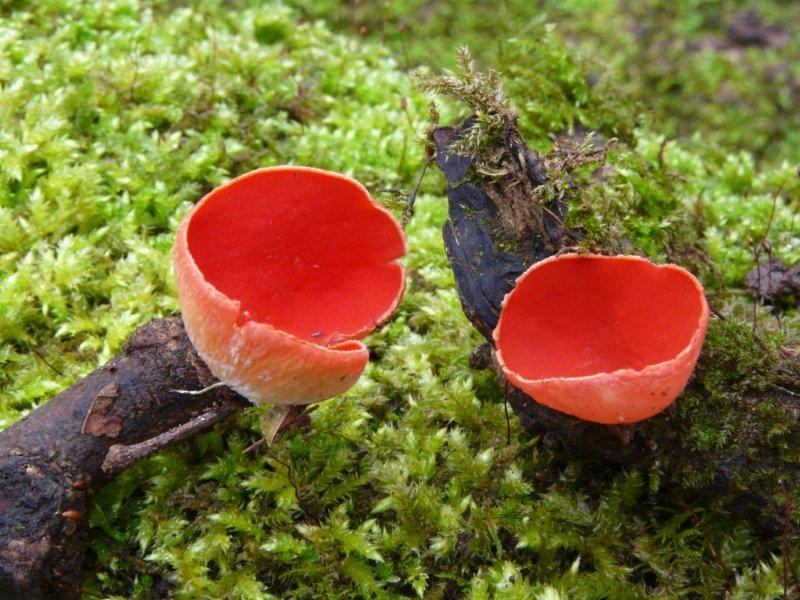
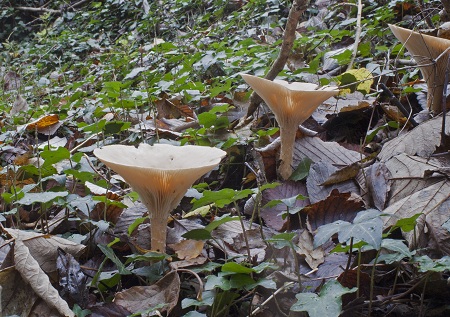
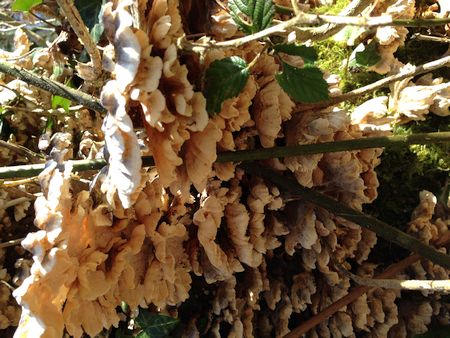
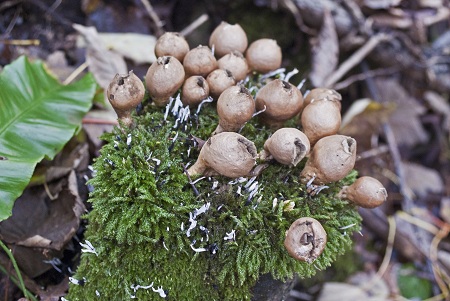
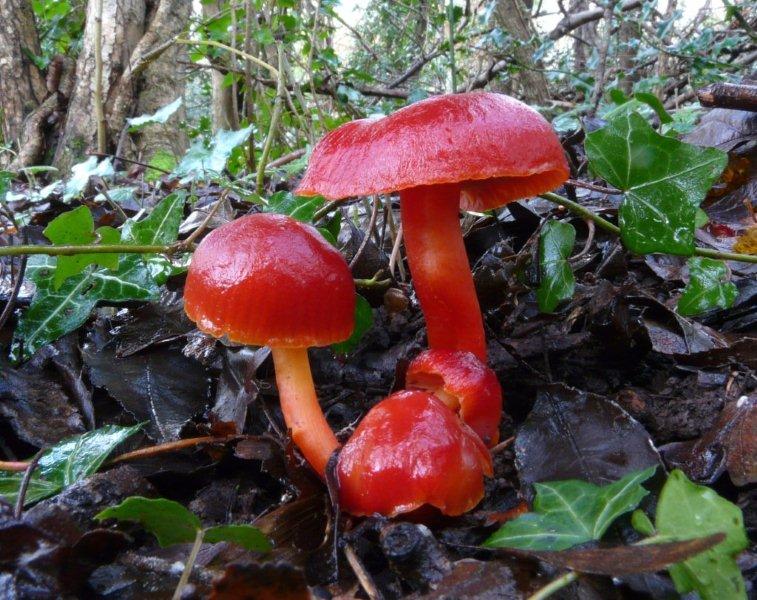
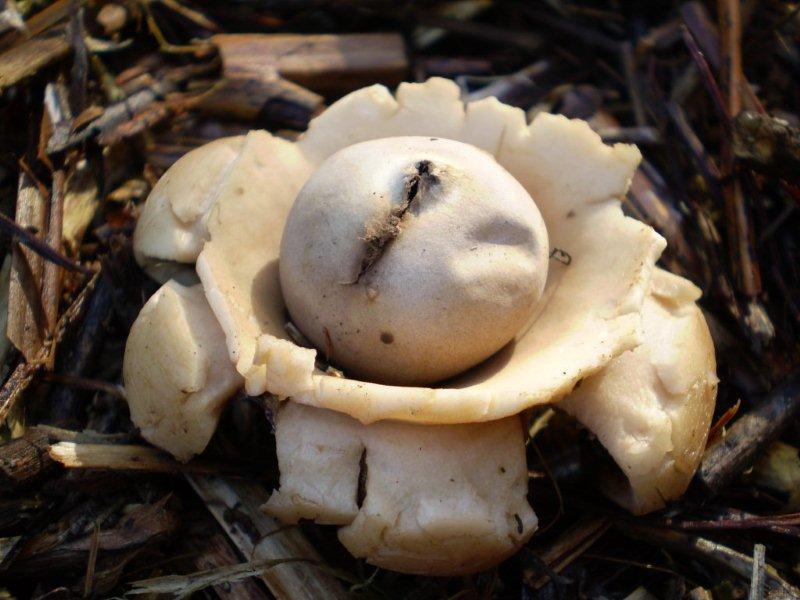
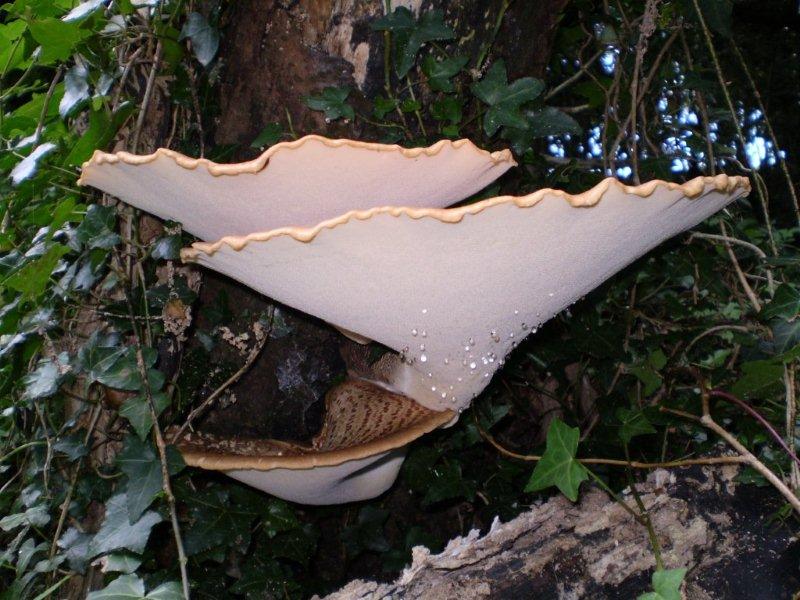
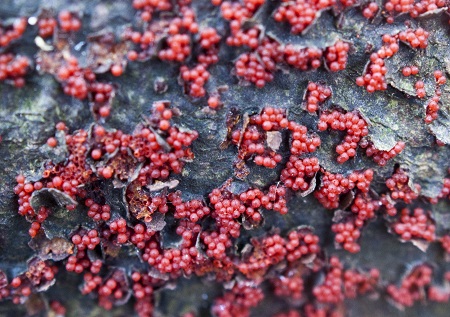
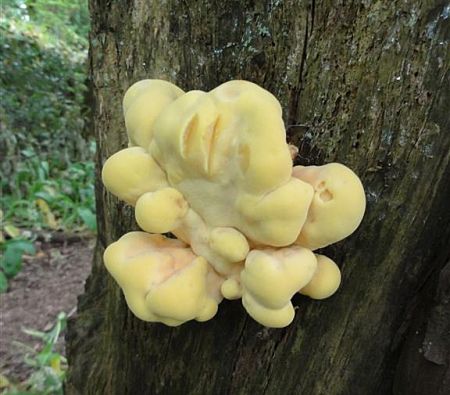
There are thousands of varieties of Fungi to be found in the UK and our nature reserves are home to many strange and colourful varieties.
Here is a gallery of a few spectacular varieties:
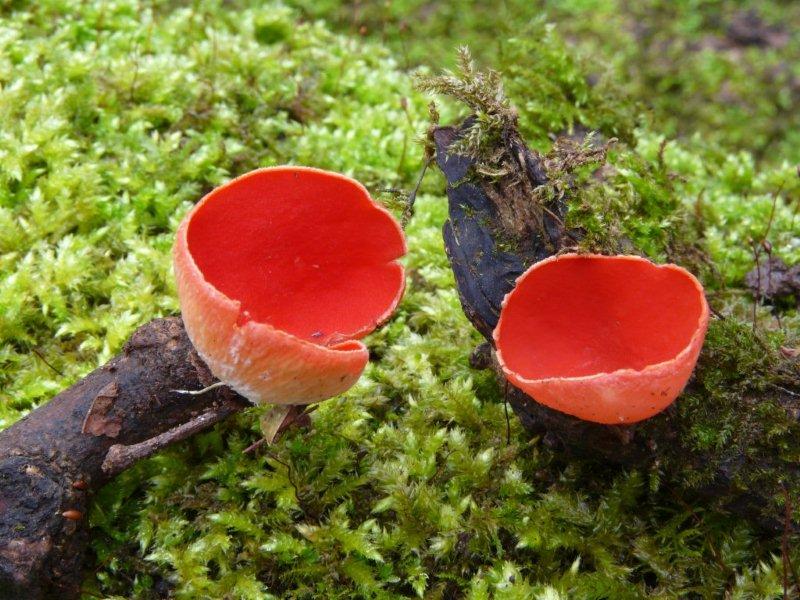
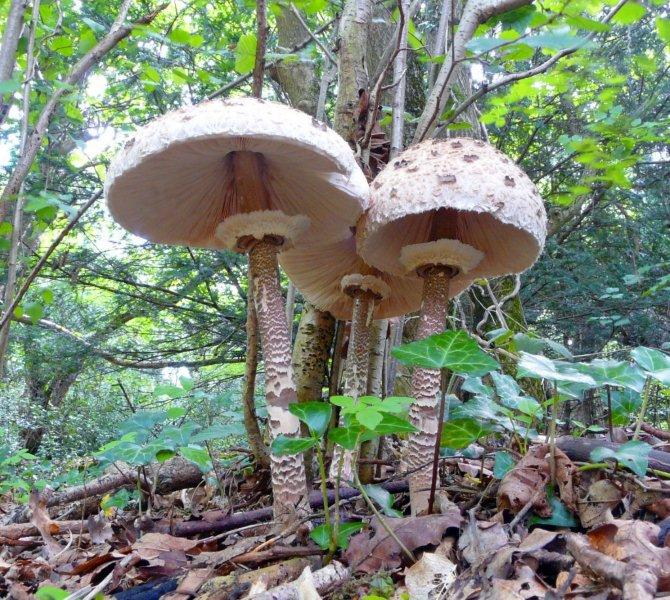
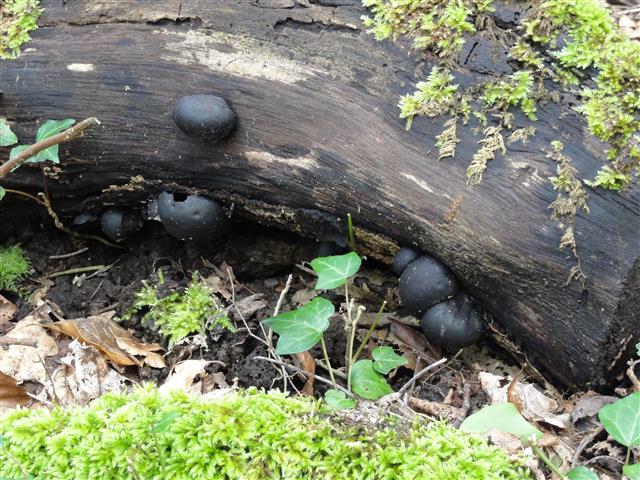
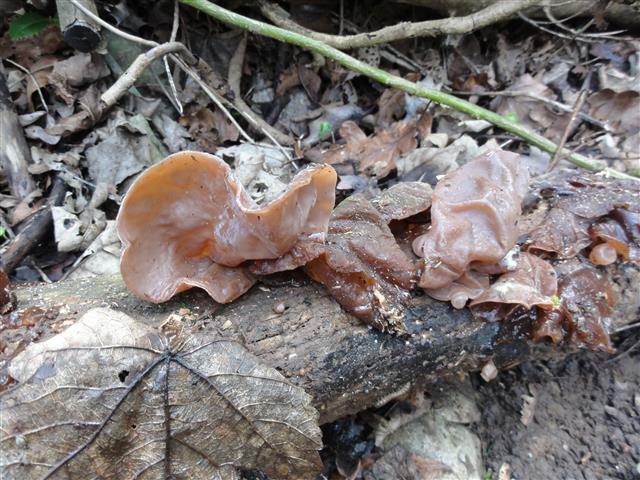
You can find out more about fungi on the great website run by the North Somerset and Bristol Fungus Group
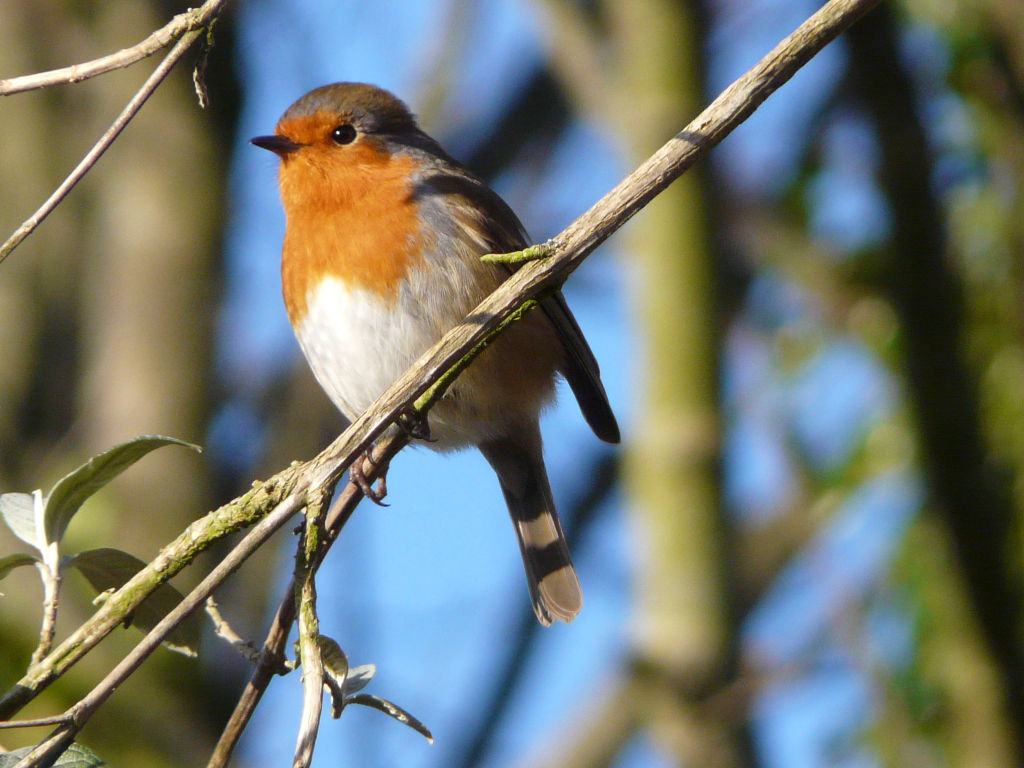
Birds
The nature reserves contain nearly 50 species of bird, many of which nest in the boxes we have put up throughout the woodlands. You can read about some nest box surveys in the articles below.
In springtime we often host guided walks through the reserves and the surrounding countryside with a bird expert who can identify the many species from their characteristic songs.
{gallery}Nature_and_Wildlife/Birds{/gallery}
Read more about:
| Peregrine
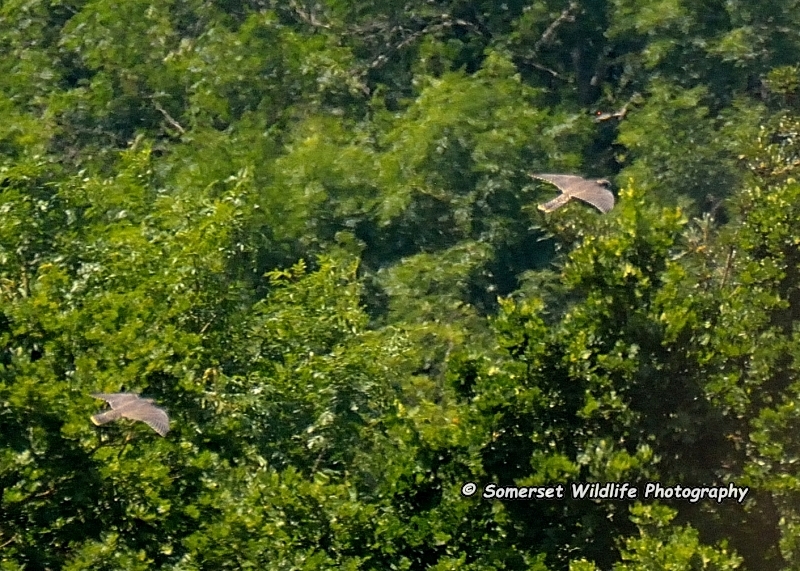
Peregrines can be seen and heard flying over the BET reserves and nest in the adjacent quarry.
Peregrines are renowned for their speed, being able to dive or ‘stoop’ at over 200 miles an hour, making them the fastest-flying birds in the world! Their wing span is 74-120 cm. The females are at least 30% bigger and heavier than the male or ‘tiercel’. Males weigh up to 1,000g and the females up to 1,500g. Juvenile peregrines can be identified by the cream band on the tail end, brownish rather than grey plumage on the back, paler feet and the beige chest instead of the white of an adult. With a really good view, the indistinct moustachial stripe will also be visible. They can be quite vocal! They will stay around this area to the end of July – honing their flying and hunting skills. They are very vulnerable in their first year, with average mortality rates 59–70%.
|
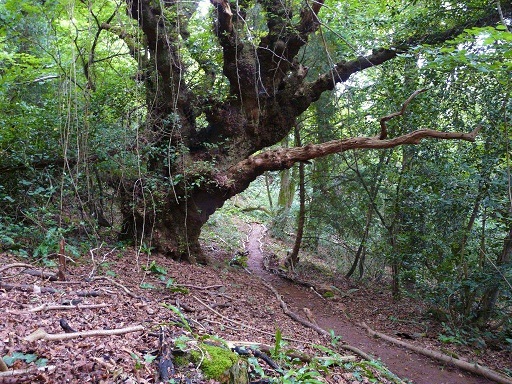
Trees
Our woodlands mainly consist of ash, hawthorn, oak, hazel and whitebeam but, if you look closely, you will discover there are three very distinct types of woodland to be explored on our nature reserves:
Click on a photo below to scroll though a gallery of some of the wonderful trees on the reserves:
{gallery}Nature_and_Wildlife/Trees{/gallery}
Read more about:
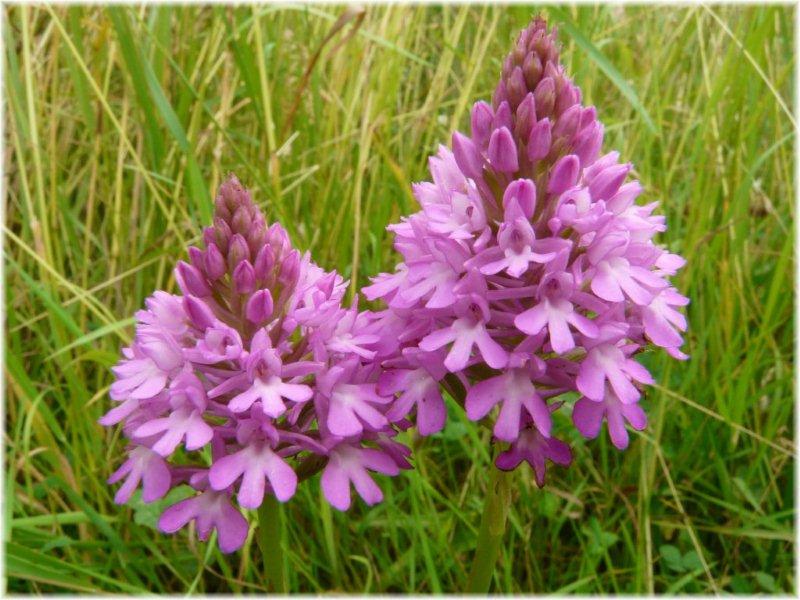
Plants and Flowers
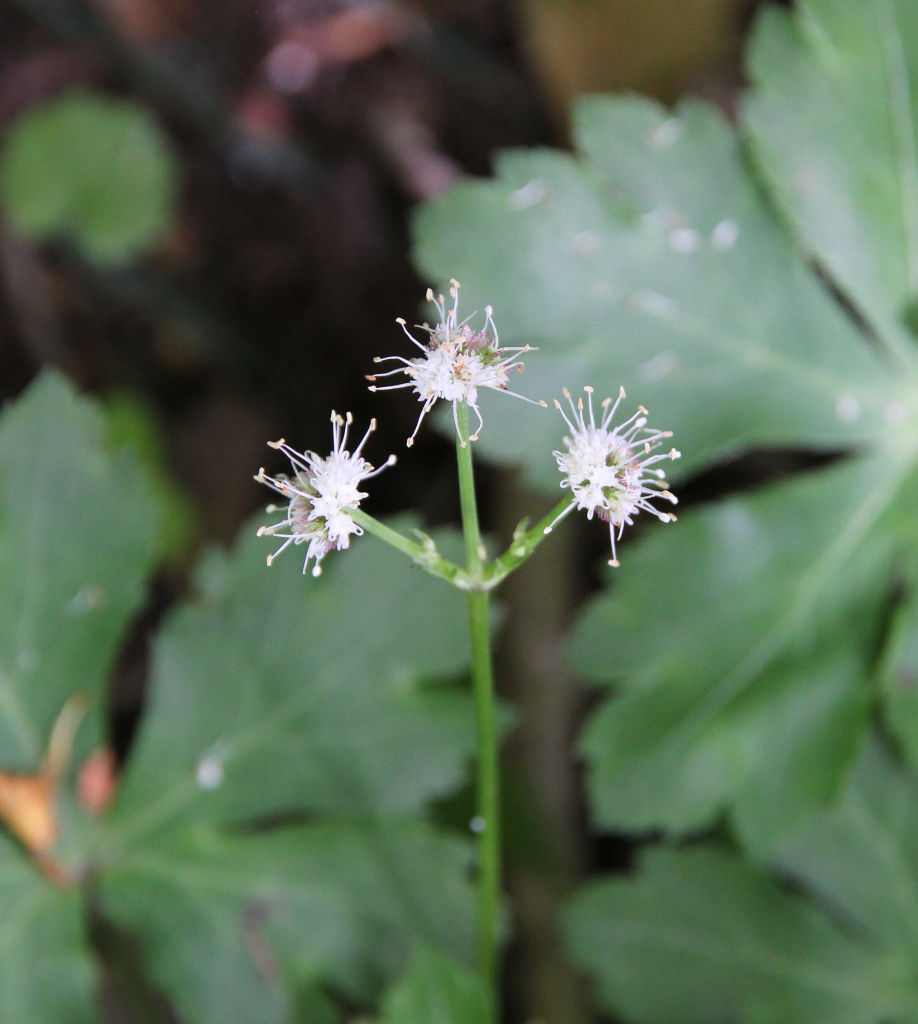
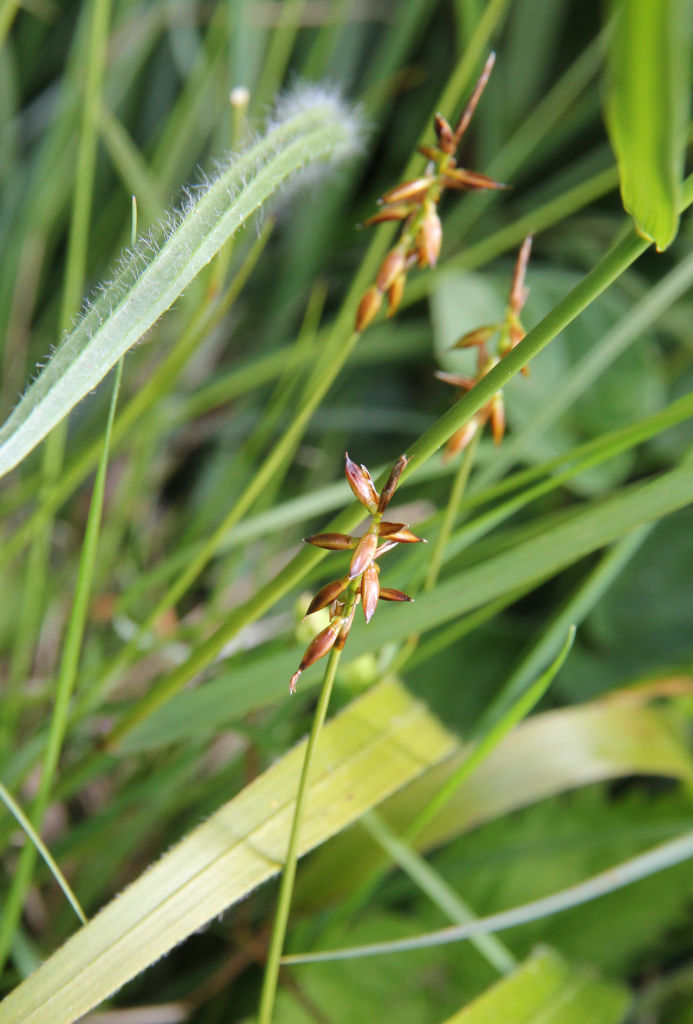
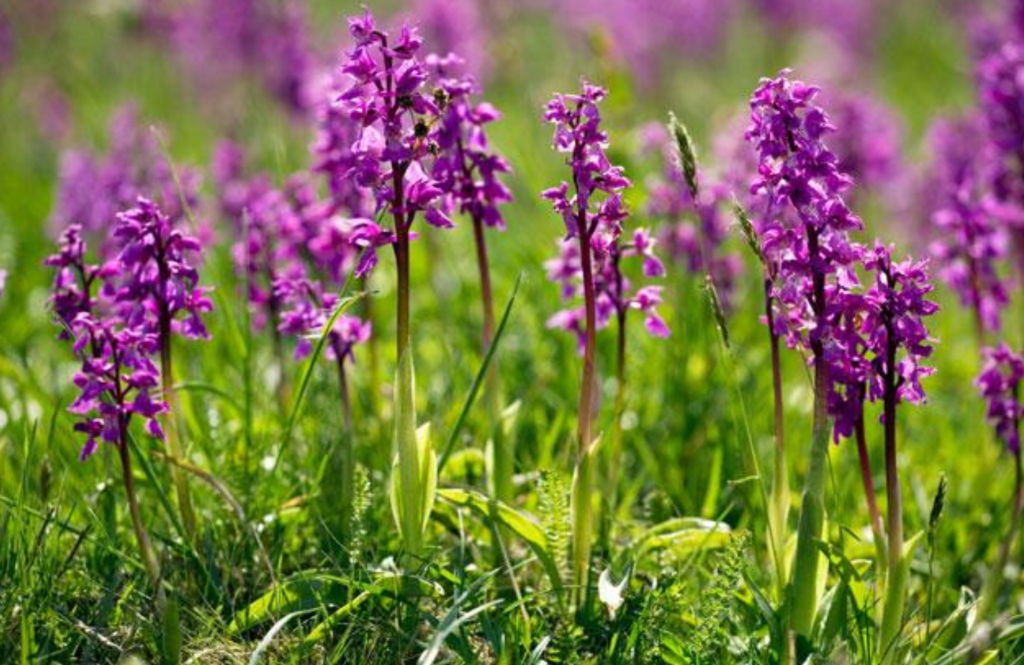
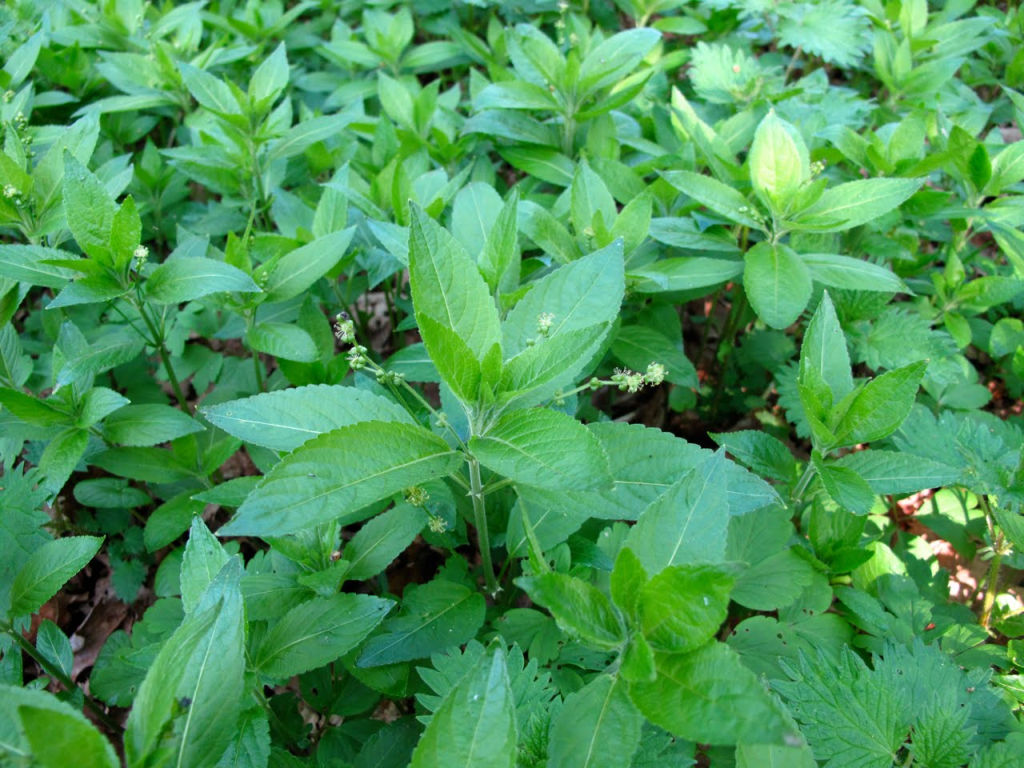
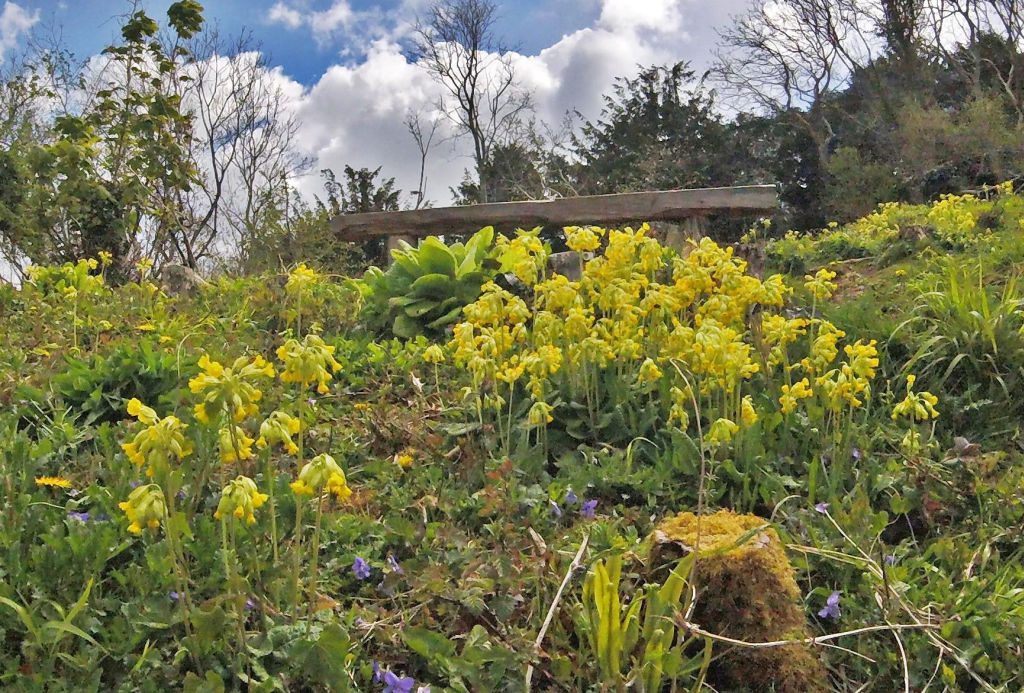
We have a wonderful variety of plants and grasses on our reserves – 270 species or more! Through careful management, we nurture three distinct types of habitat with their own special varieties of plants:
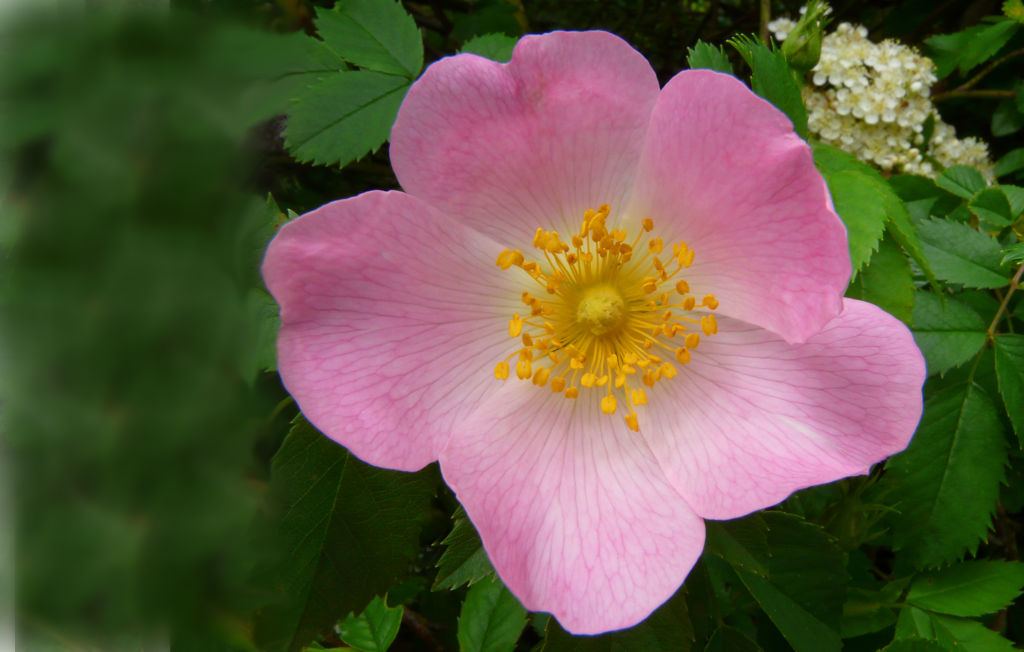
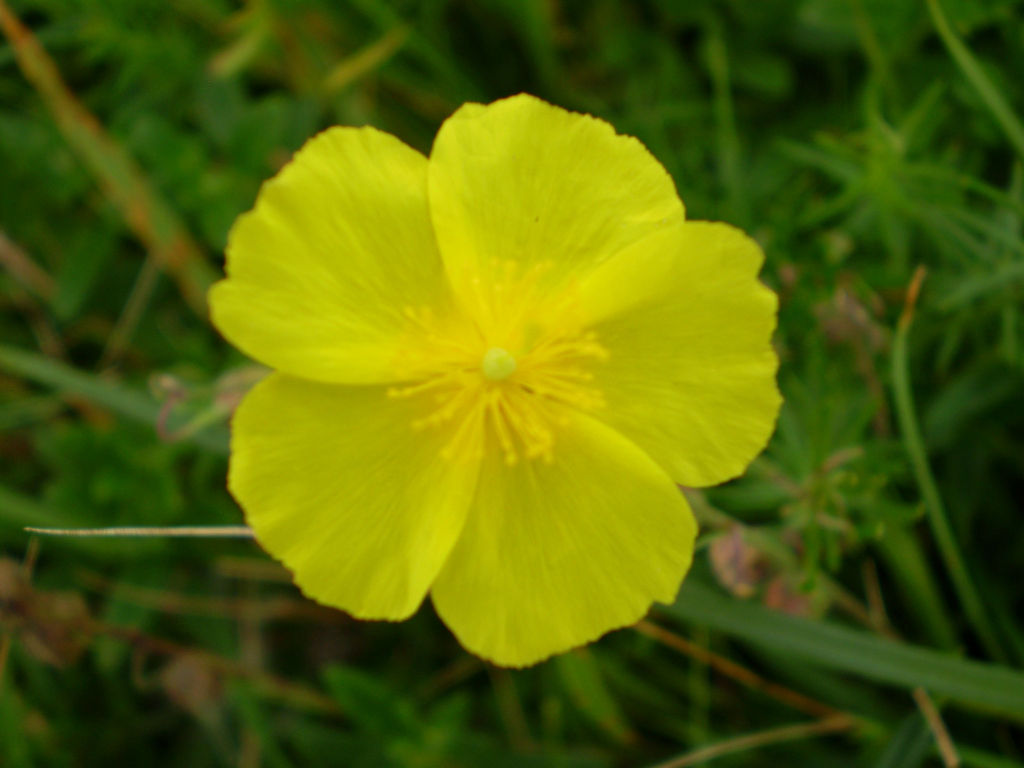
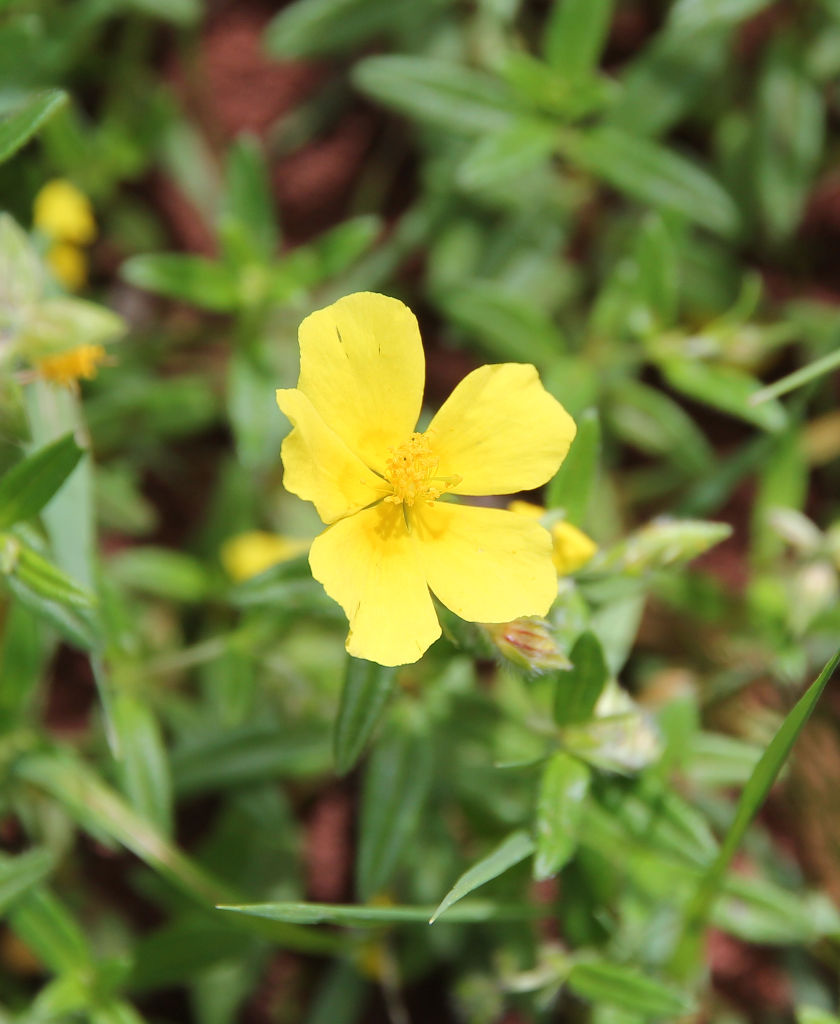
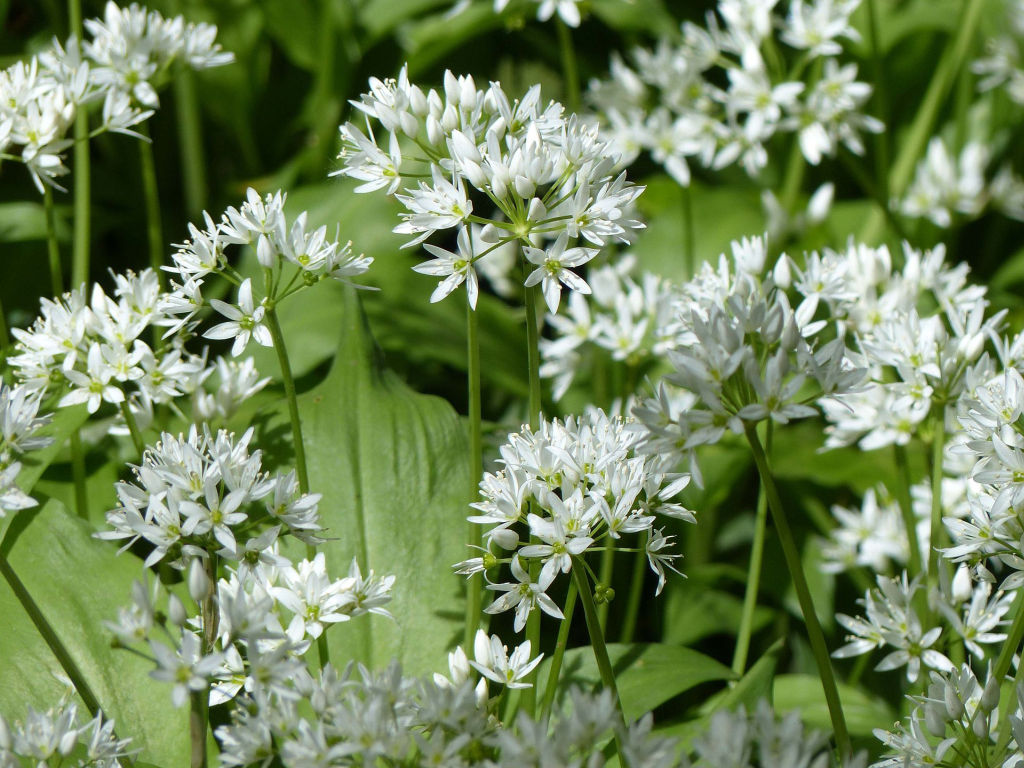
Here is a gallery of photos of some of our less common plants.
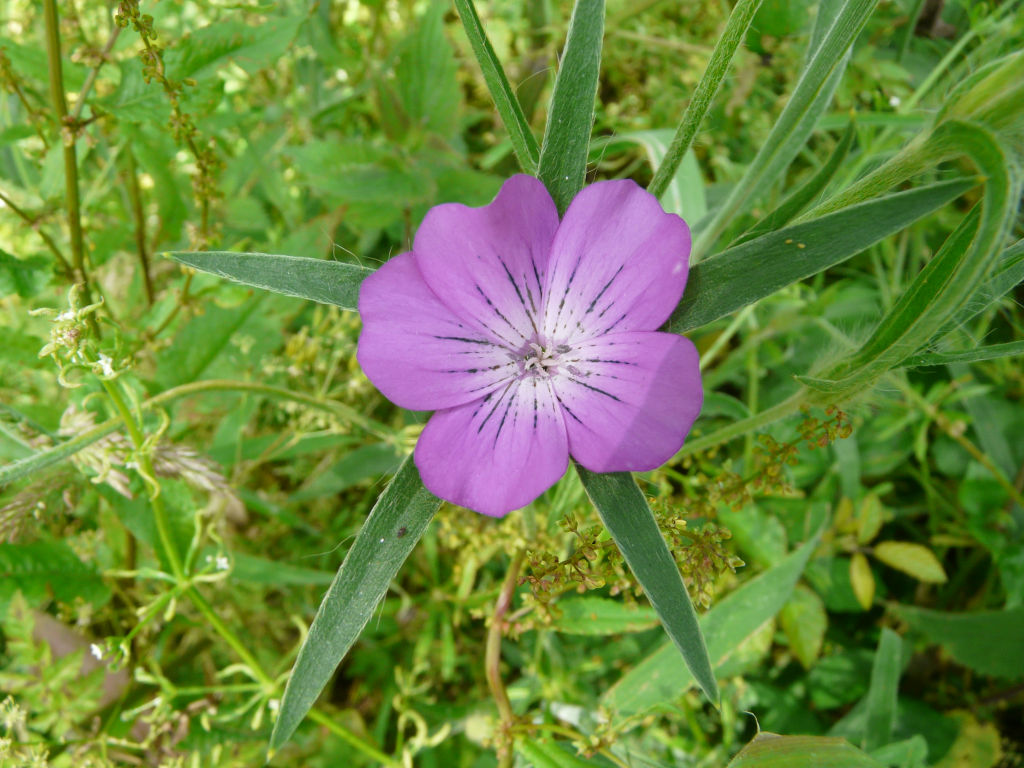
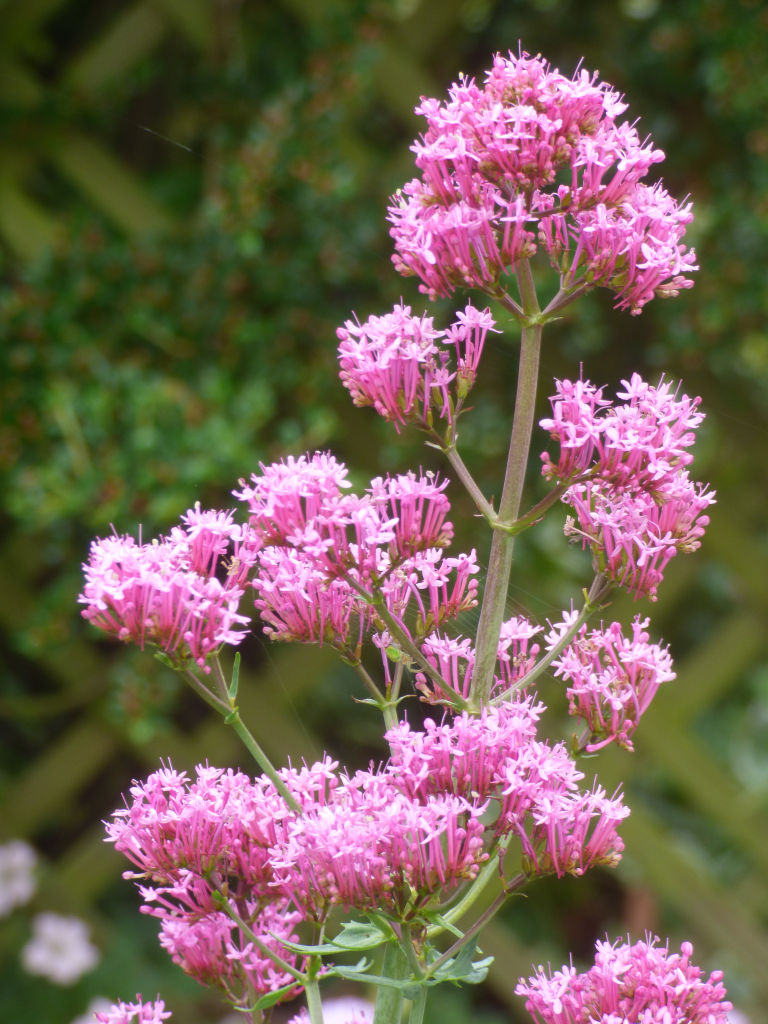
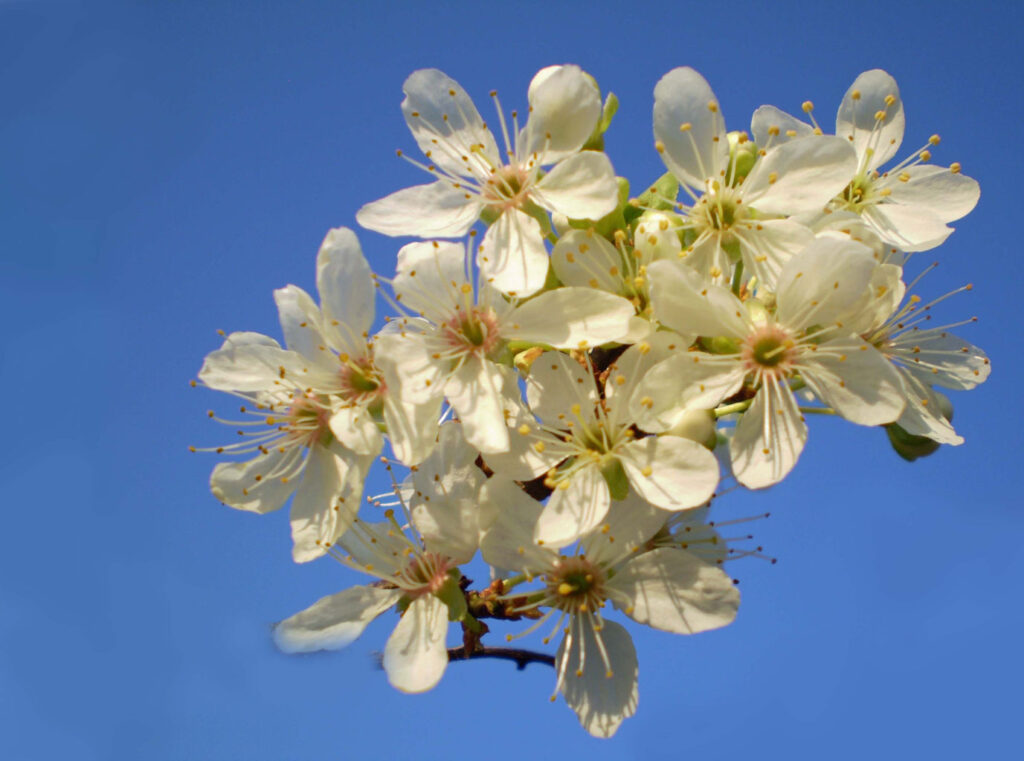
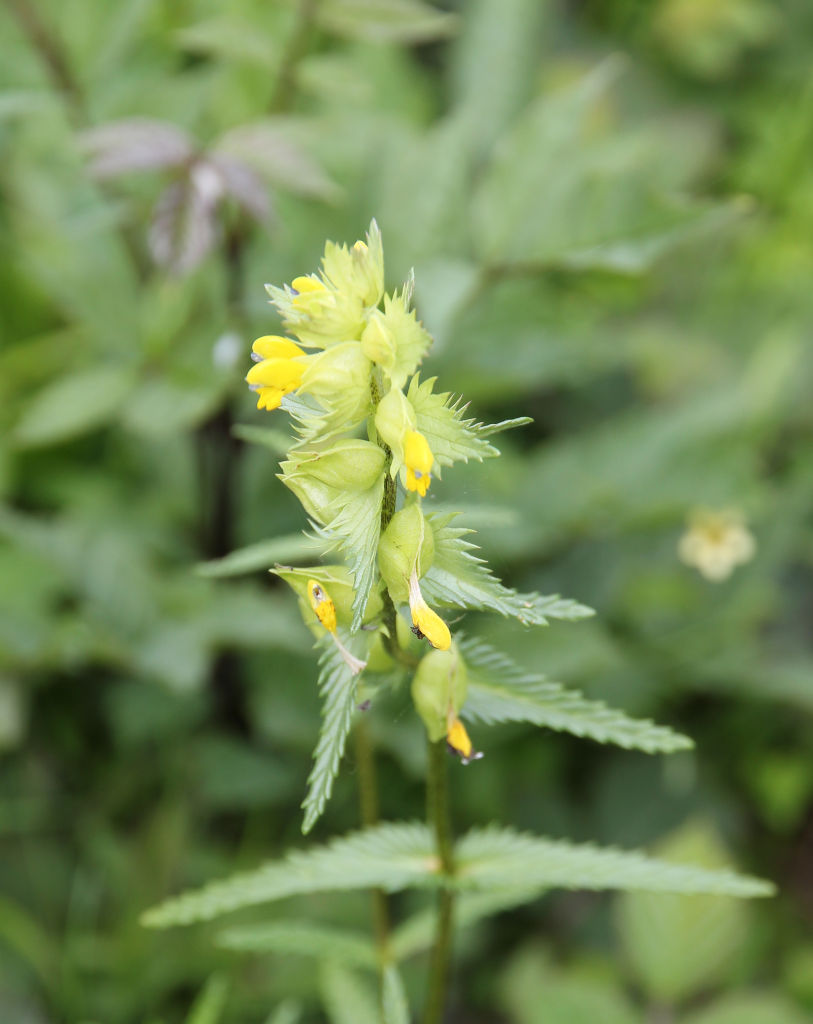
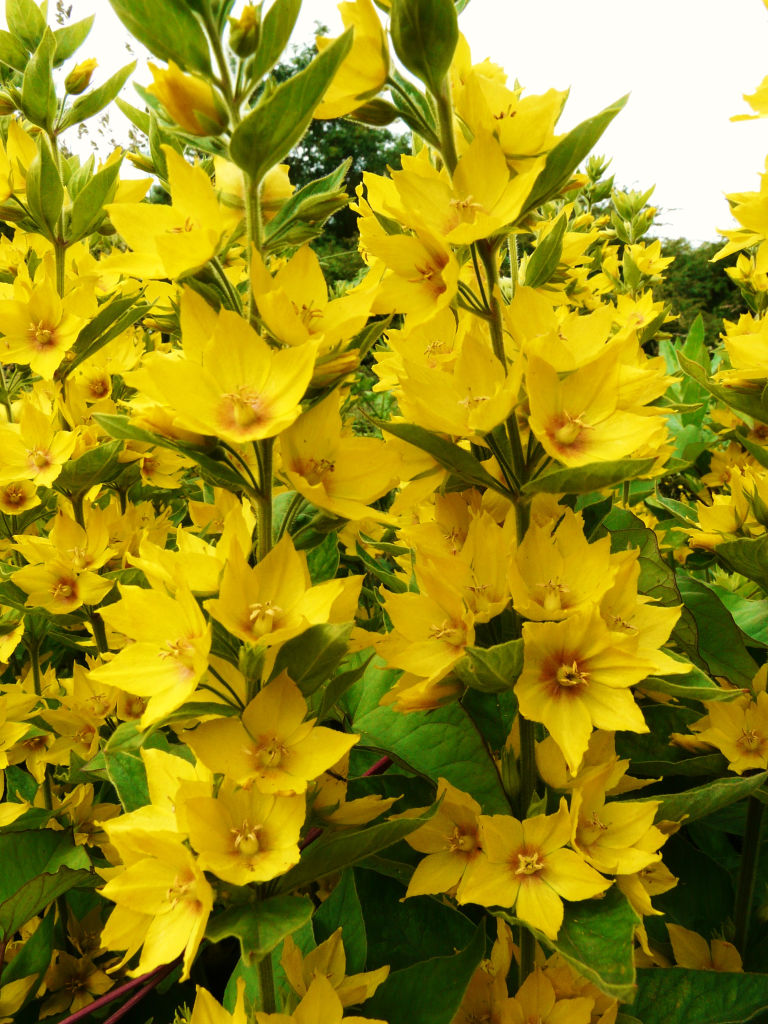
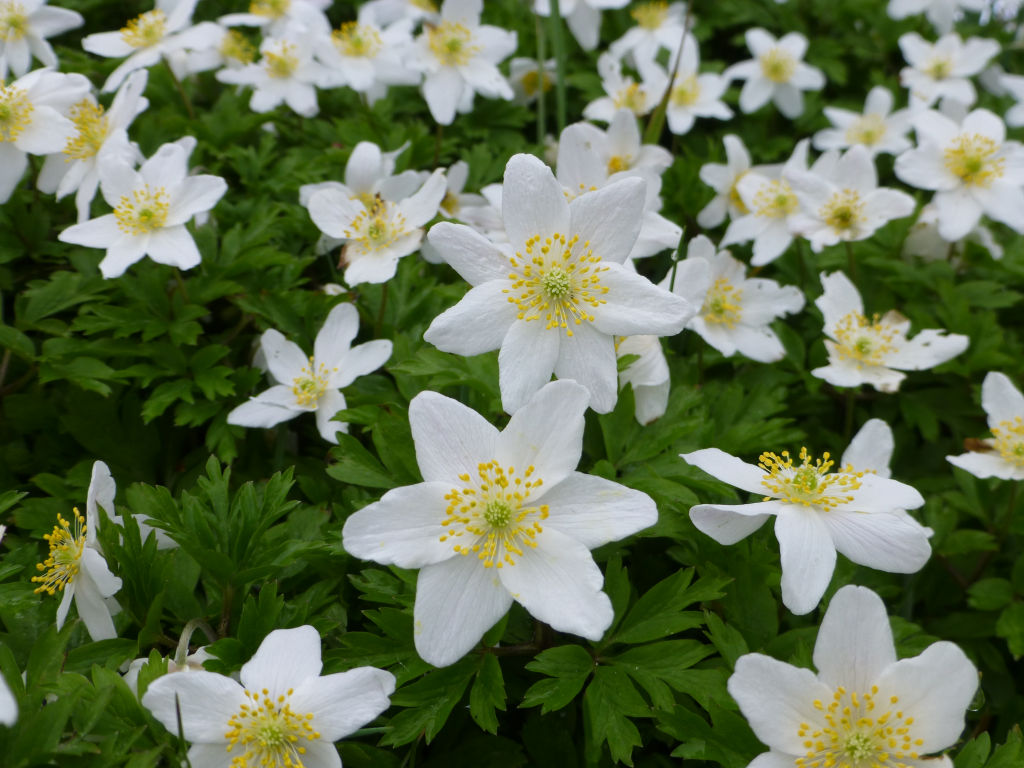
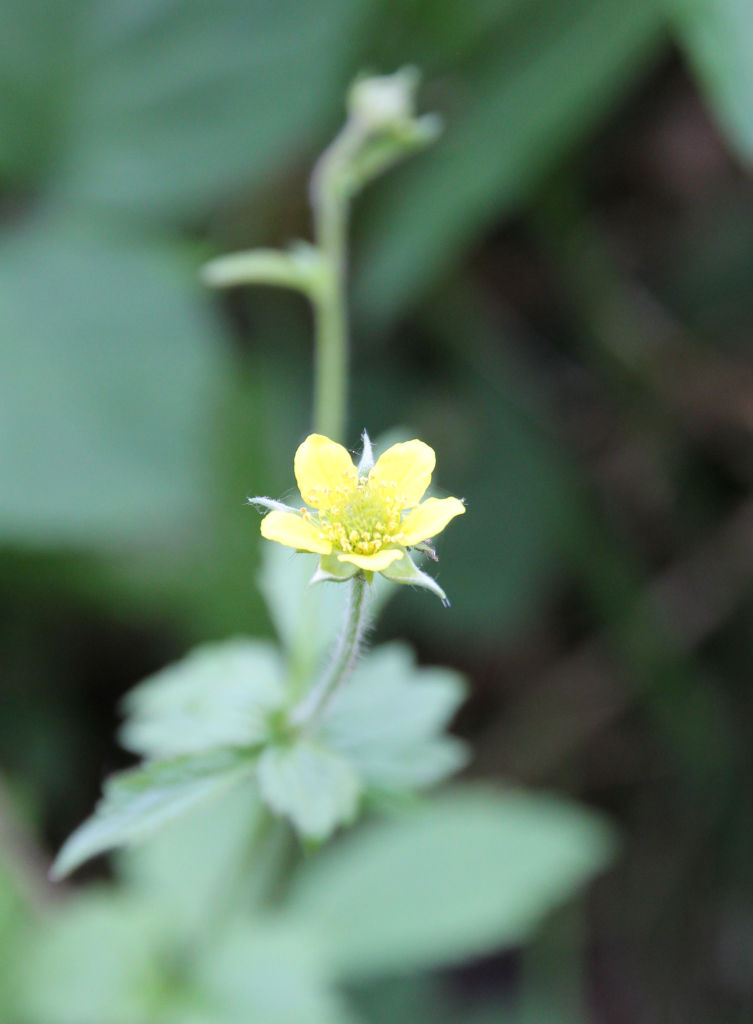
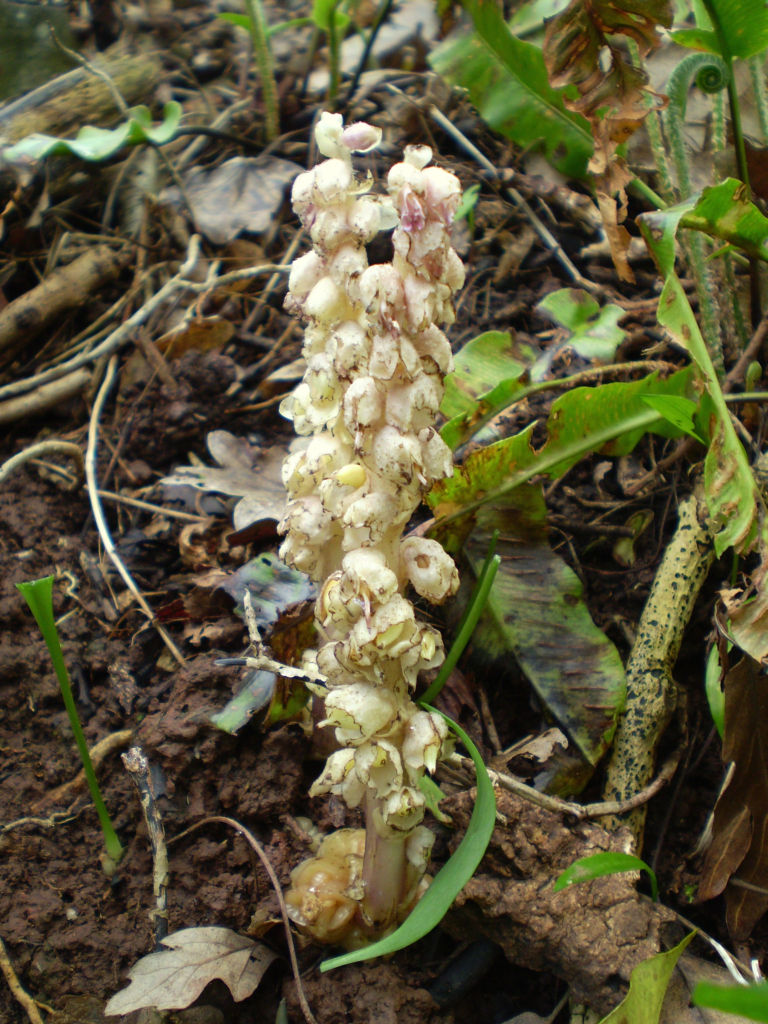
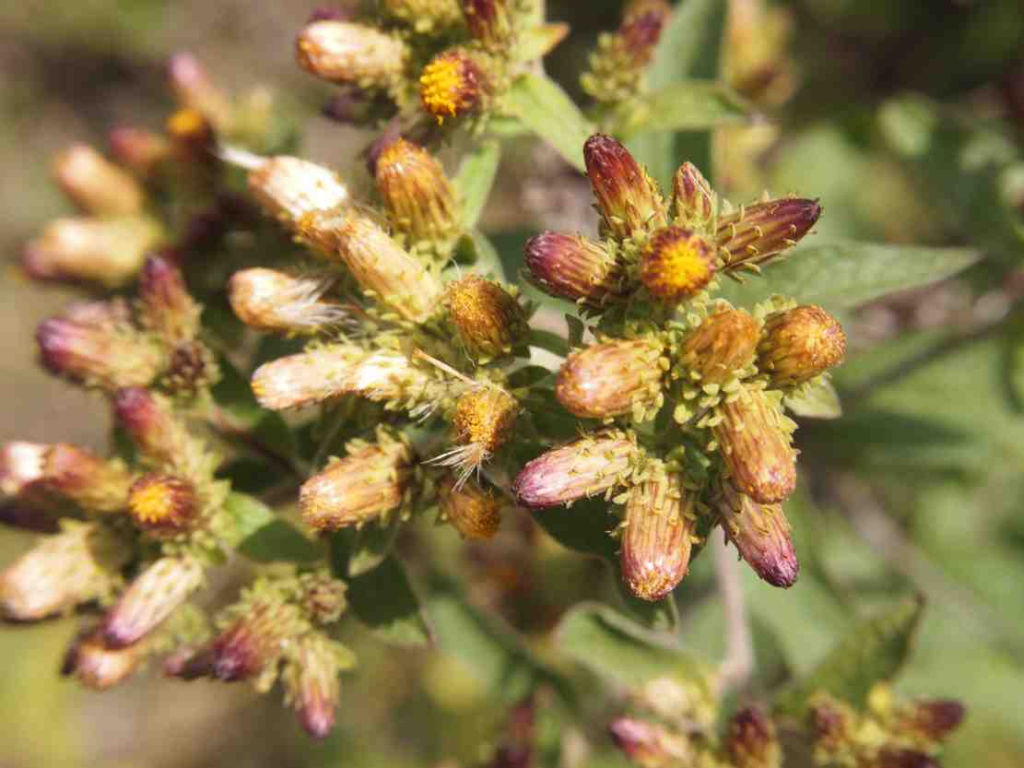
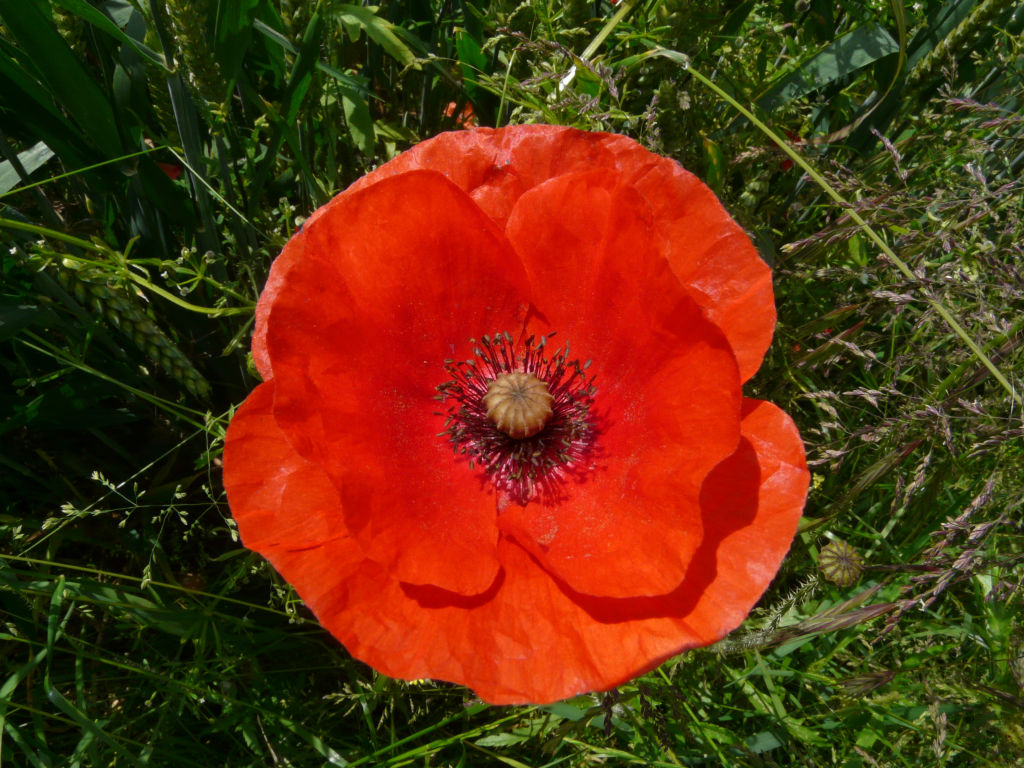
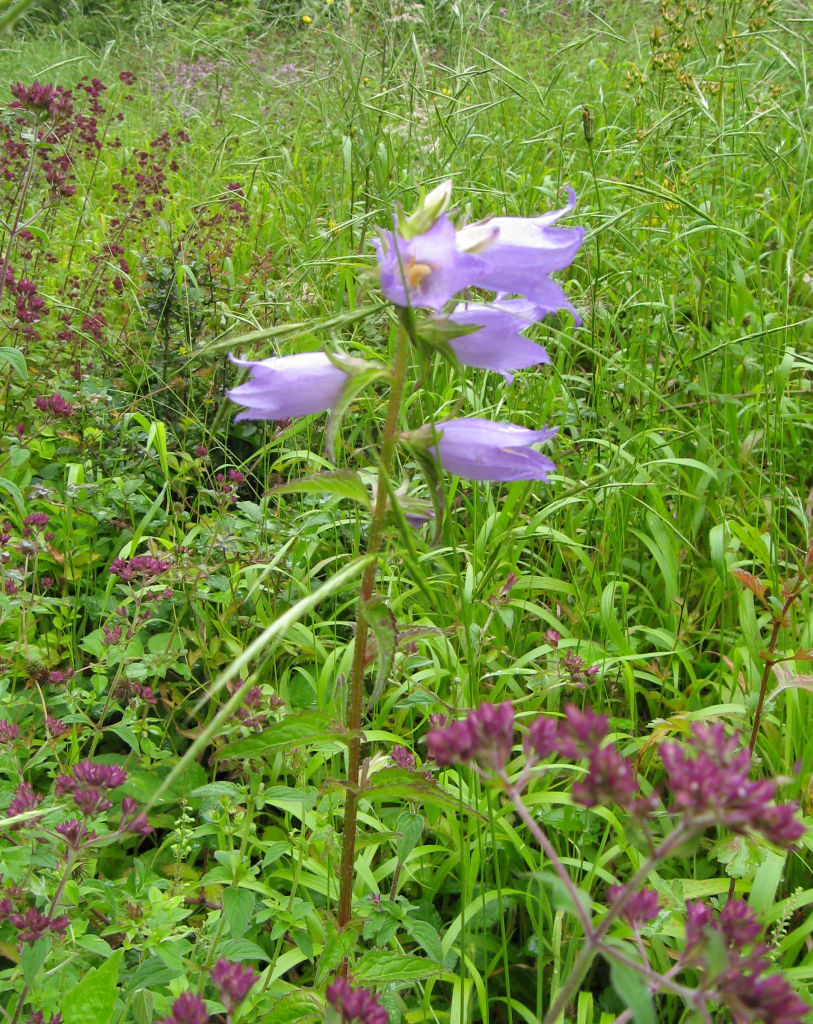
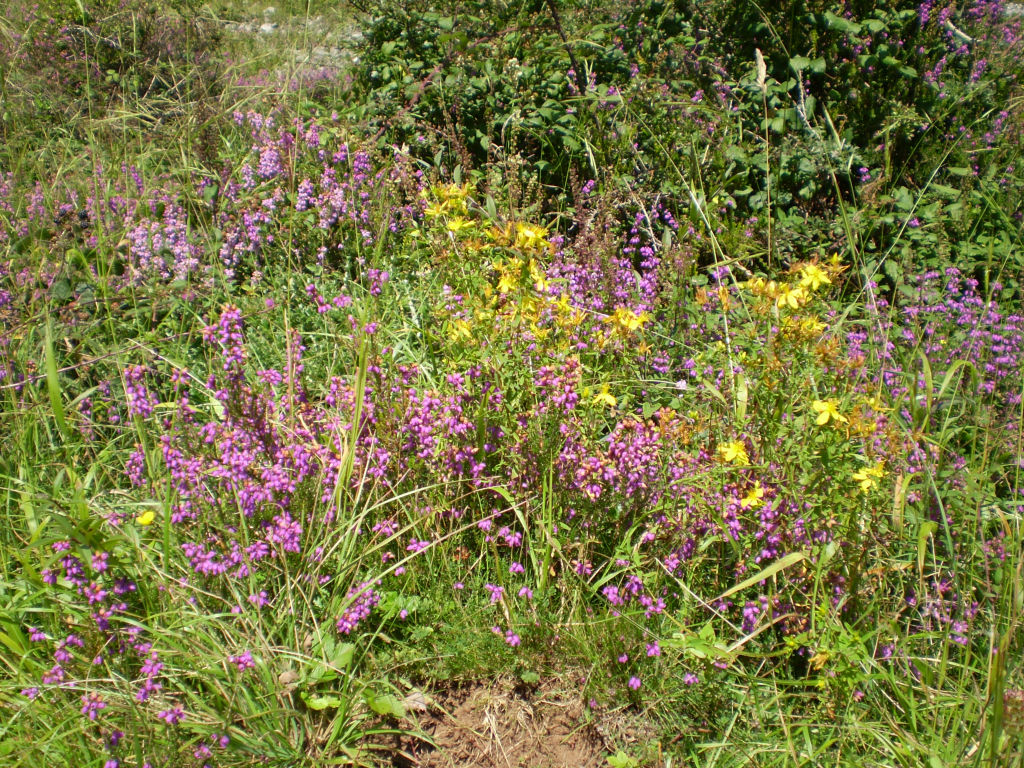
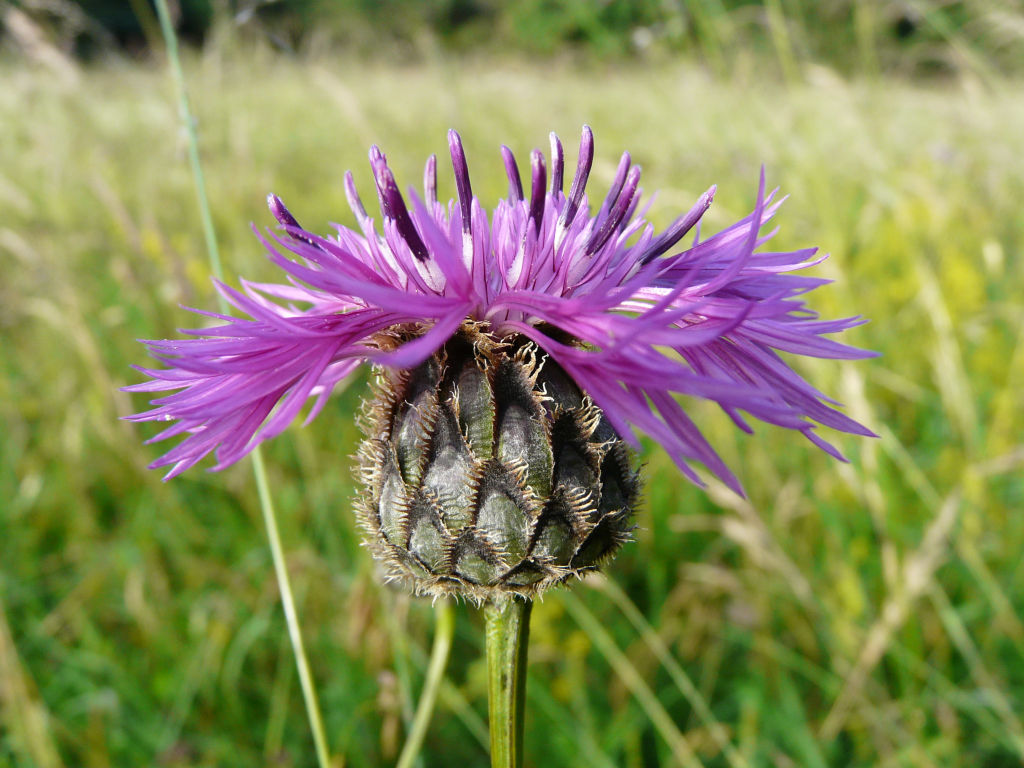
Read more about:
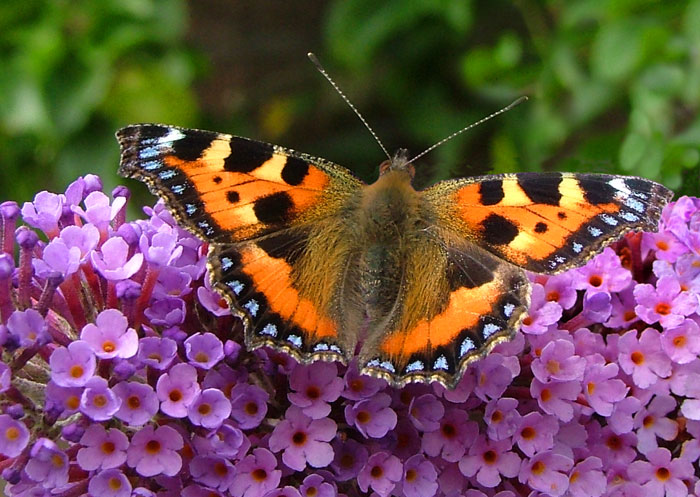
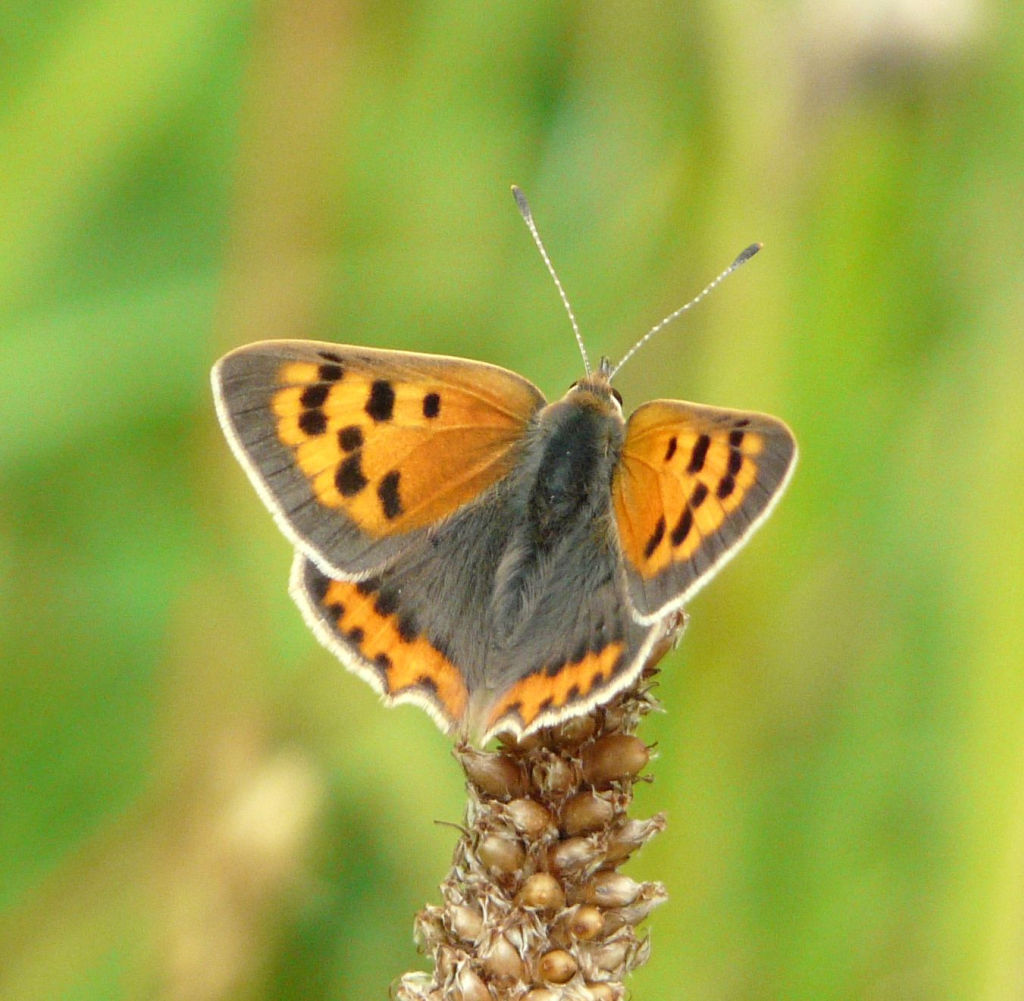
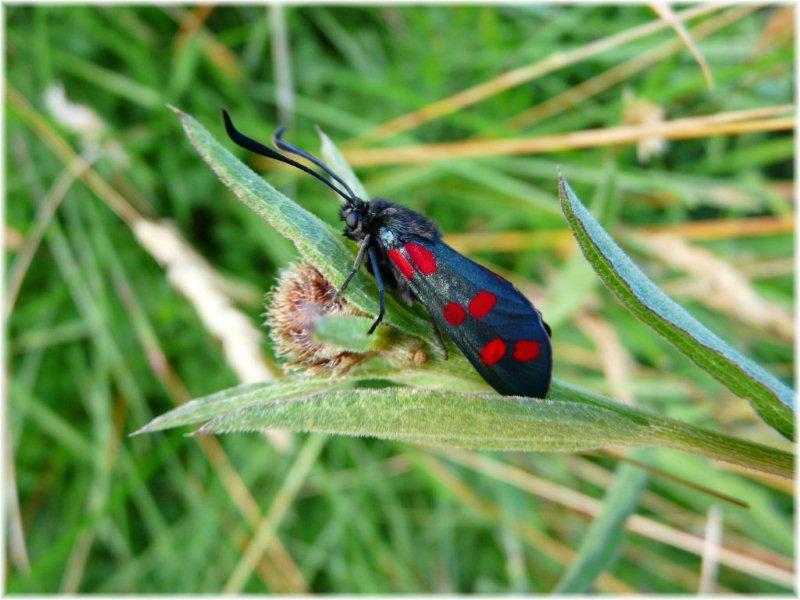
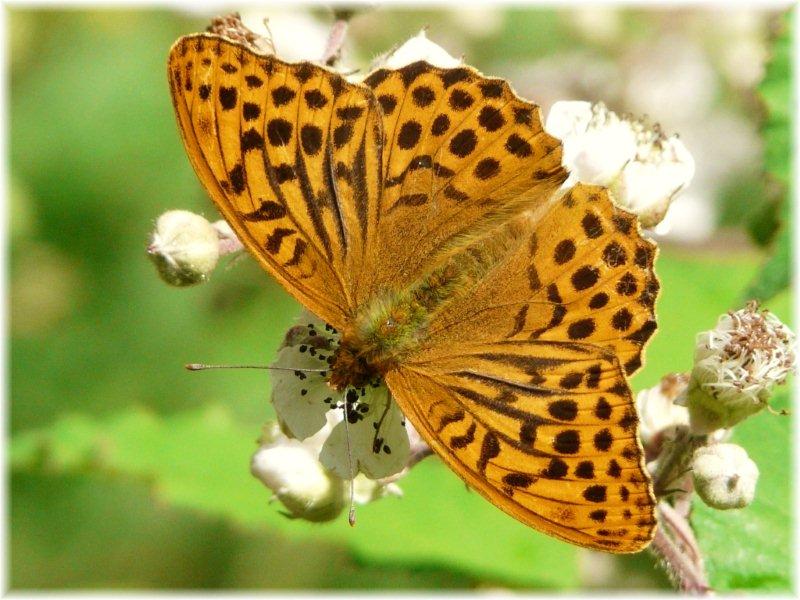
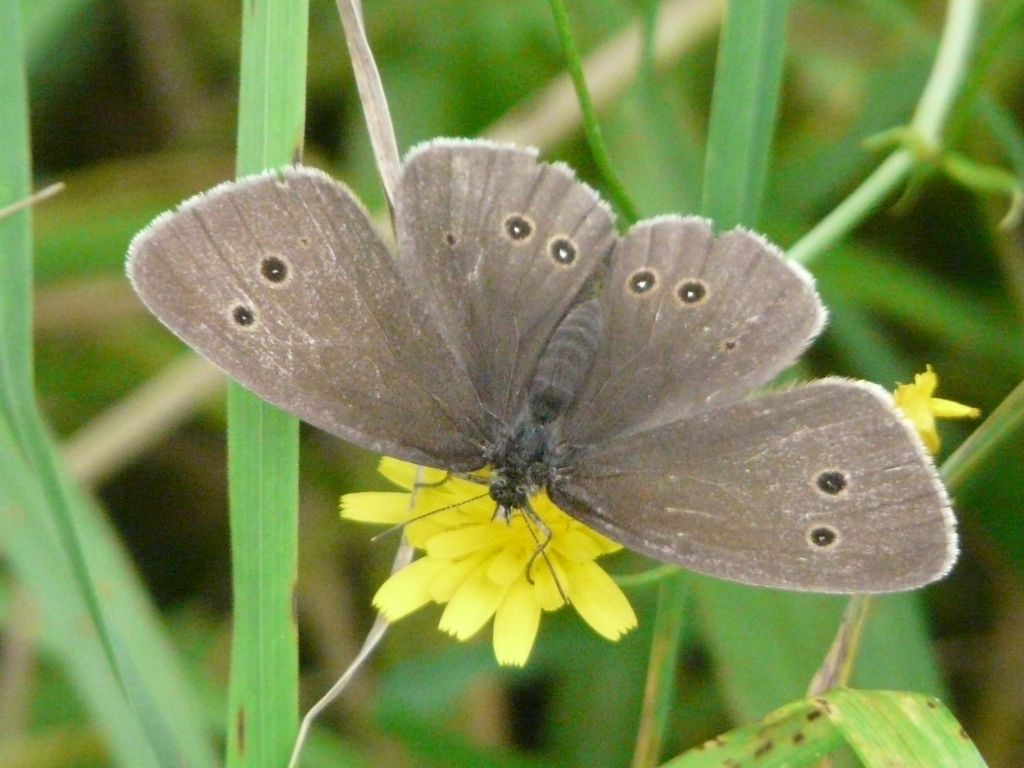
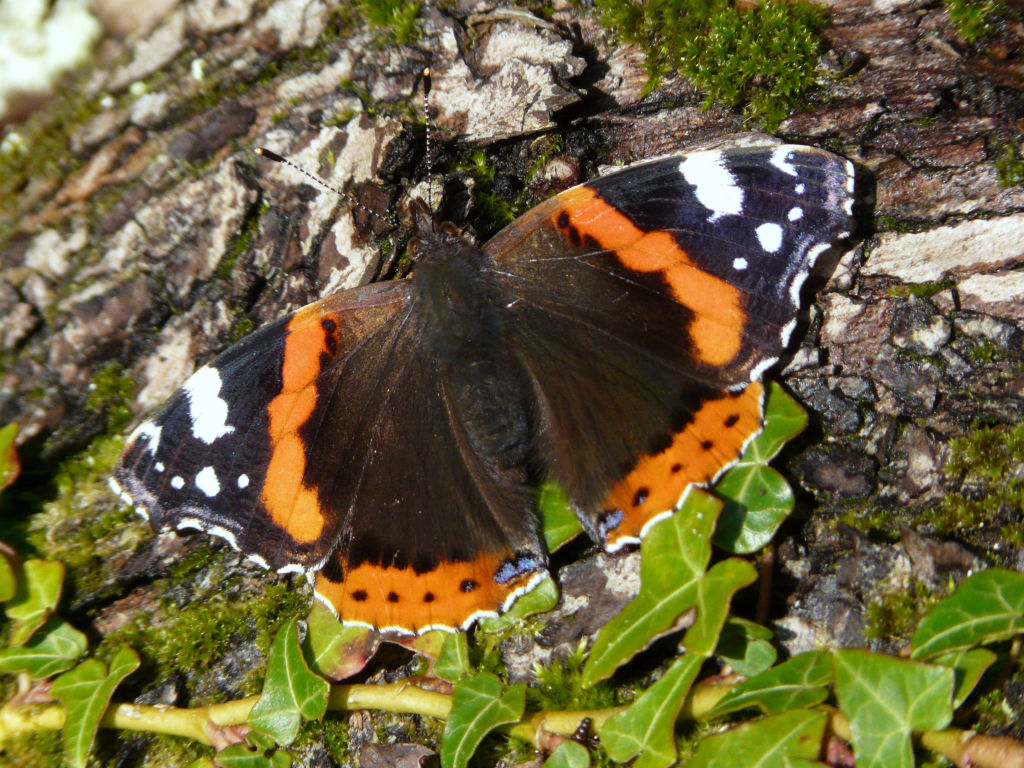
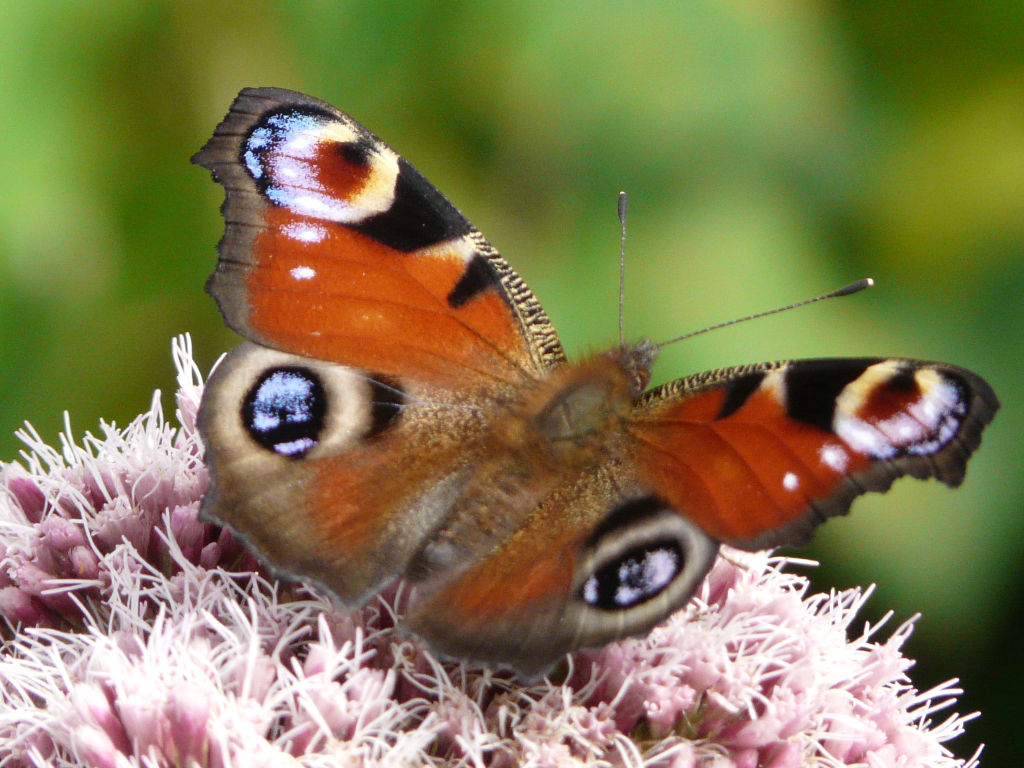
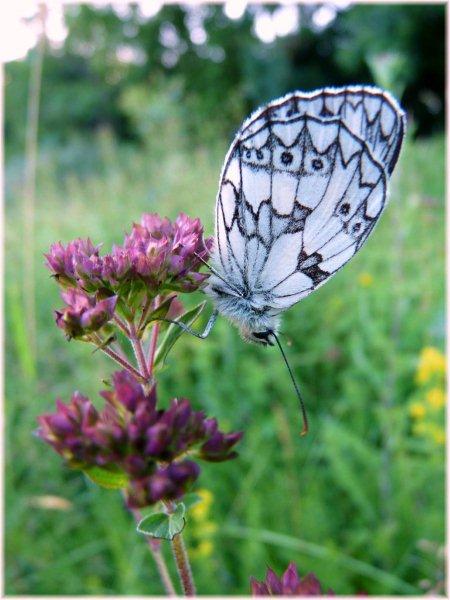
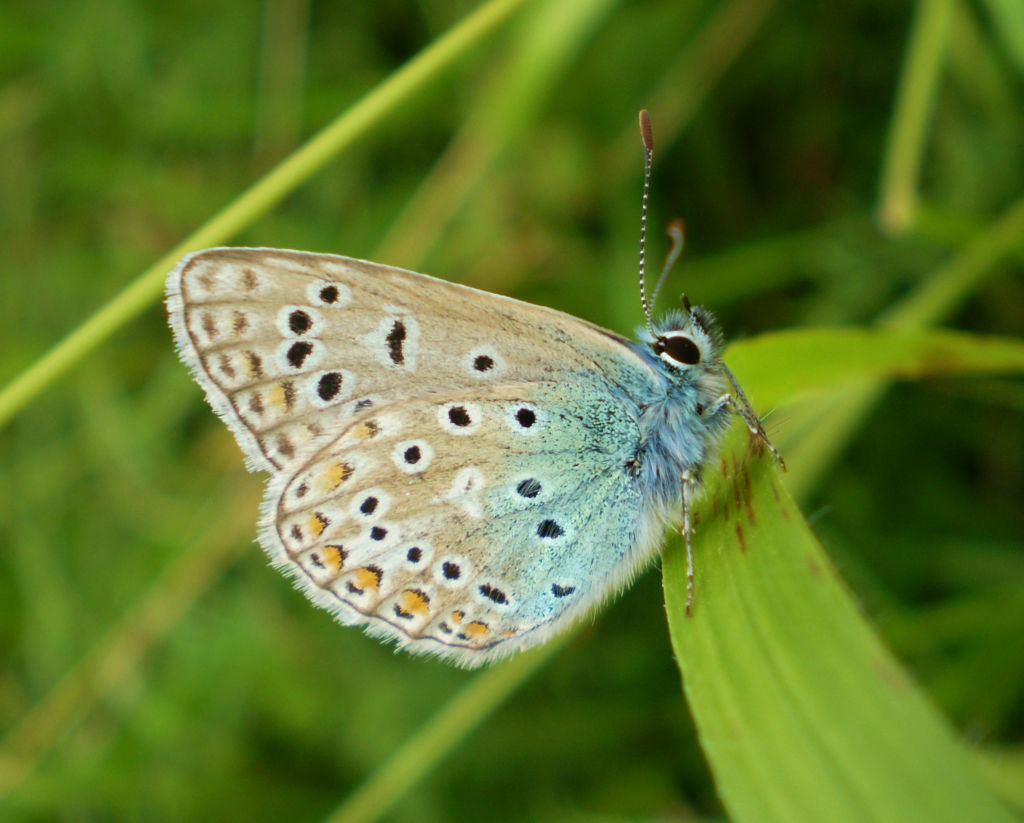
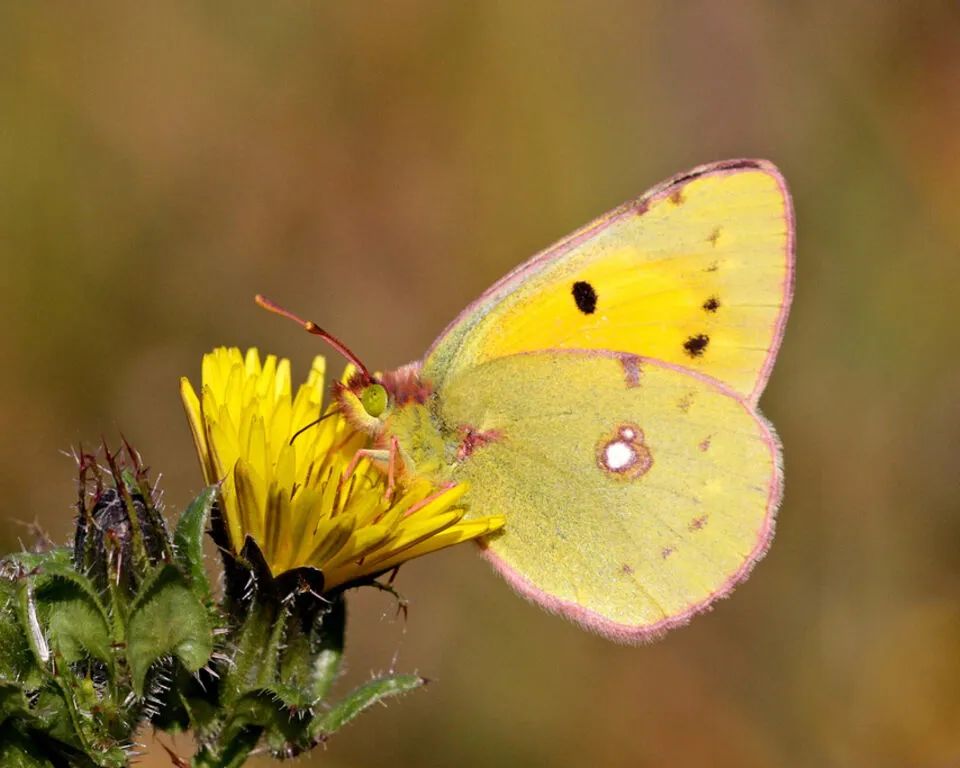
From spring to autumn, the wildflower meadows and scrubby areas on BET’s nature reserves are alive with fluttering butterflies and moths feeding on the abundant nectar. Our nature reserves have been, and are being, managed to contain the widest range of habitats possible and now include sun-baked wildflower meadows, sheltered scrubby clearings as well as dense woodland. This variety of different environments should ensure that many species of butterfly and moth will be able to find their own special niche somewhere on our reserves. Summer is by far the best time get out and look for butterflies and moths, so to start you off, here are a few favourites.