|
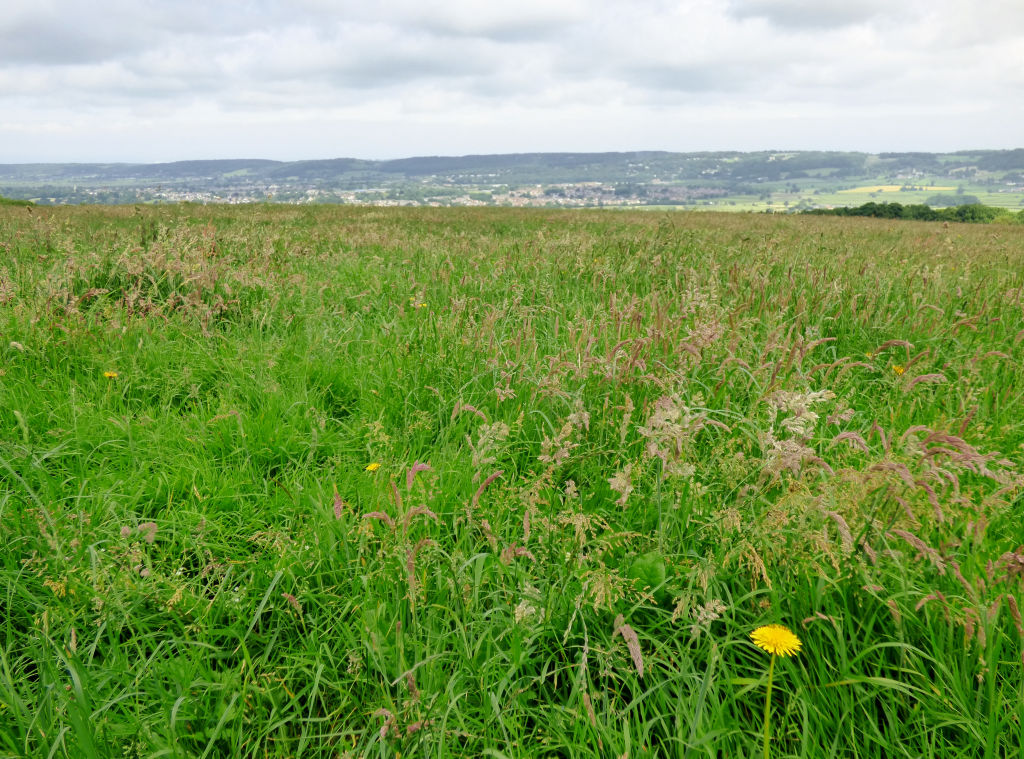
There is a Bronze Age barrow cemetery in the field by the Jubilee Stone, with 4 – 6 burial mounds dating back 2,500 to 4,000 years, although they are quite hard to make out now. They date from the middle to late Bronze Age, when the usual practice was for the dead to be cremated and buried either individually or as part of a family group. The ashes were then placed, with due ceremony, in specially-made urns, and set upright in a pit in the centre of an earth or rubble mound, sometimes surrounded by a ditch. This is unlike the earlier period when defleshed, disarticulated bones were left in chambered tombs.
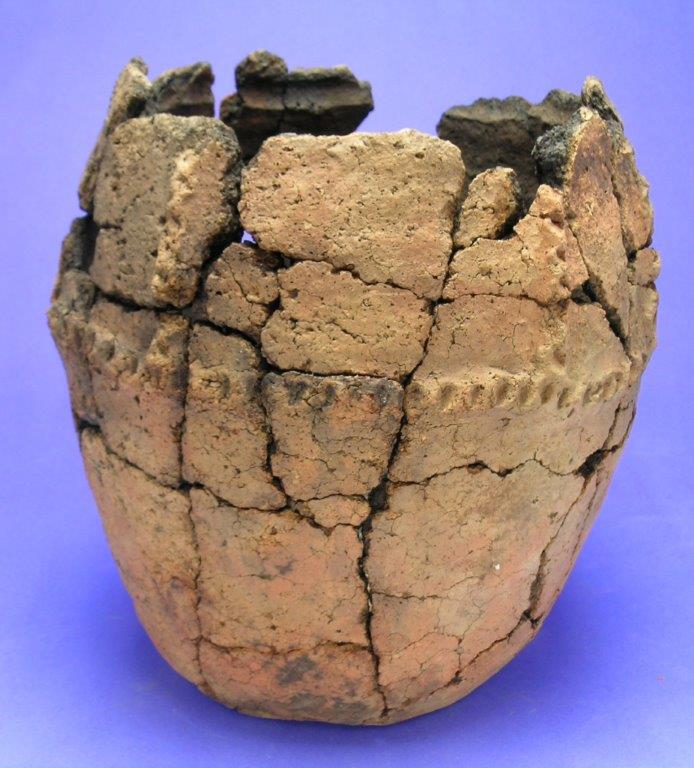
The urn shown here came from a barrow made of stacked-up turfs in a cemetery on the skyline at Beacon Hill, Shepton Mallet. Made of coarse fabric, and decorated with a row of finger prints, it contained the ashes of a female, 18-25 years old. Barrows were usually placed on the false crest of a hillside, and in close proximity to the settlement, so the dead were, in theory, still part of the living. No trace has been found of where they lived at Backwell, but it might have been somewhere in BET woods, or down below under more modern houses. In 1933 Professor E. K. Tratman flew over the whole area looking for archaeological sites, noticed the barrows and later investigated them on foot, carefully measuring their sizes as he went along. Lower down on the hillside he reported that there were 2 almost touching each other on sloping ground, their height ranging from 4 ft to 8 ft, with flat depressed areas on their summits. Local tradition is that they are spoil heaps from mining, but there are no large shafts or mining pits nearby. The golf course was built into their sides.
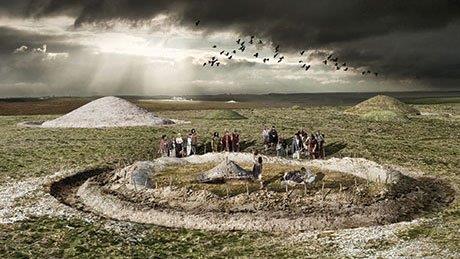
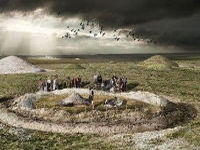
What the largest barrow might have looked like Another large barrow closest to the Jubilee Stone had a circle of stones around it, 2 ft high, 6 ft wide at the base and 30 ft in diameter. A central mound of stones was 3 ft high and 14 ft in diameter, which joined the outer ring in 2 places. This is the barrow that in 1898 was excavated by Reverend George Masters from Flax Bourton, who described it like ‘a cup or basin inverted in its saucer’. He dug it in July, but probably not up to the usual rigorous standards adopted by today’s archaeologists.
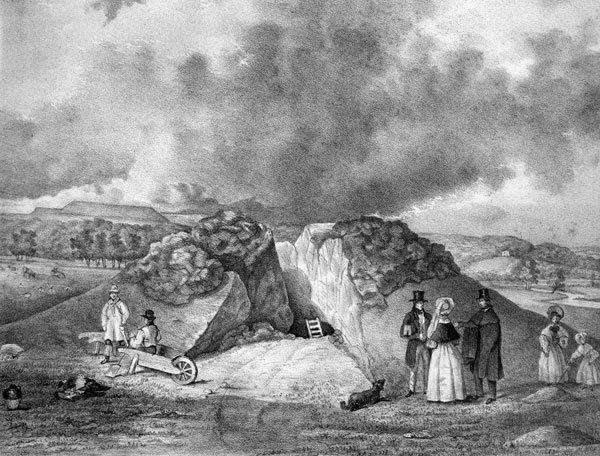
How not to dig a barrow! Some antiquarians often dug out with picks and shovels the central area where they thought the burial and grave goods were, telling workmen to stop when they found bones or pottery. This is how Reverend John Skinner of Camerton managed to dig 100 barrows in 17 years, although, to his credit, he did make detailed sketches of them.
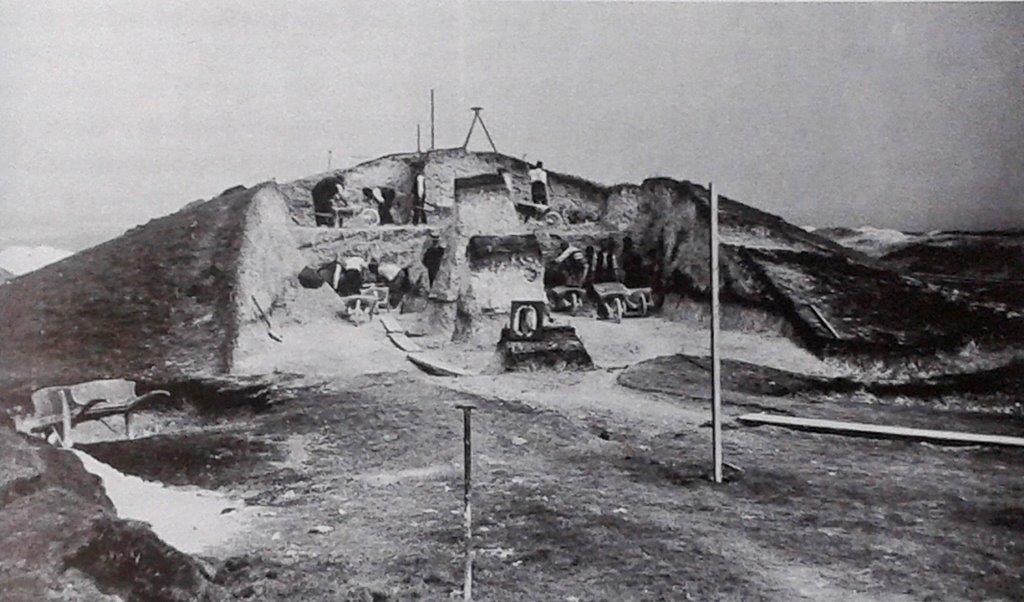
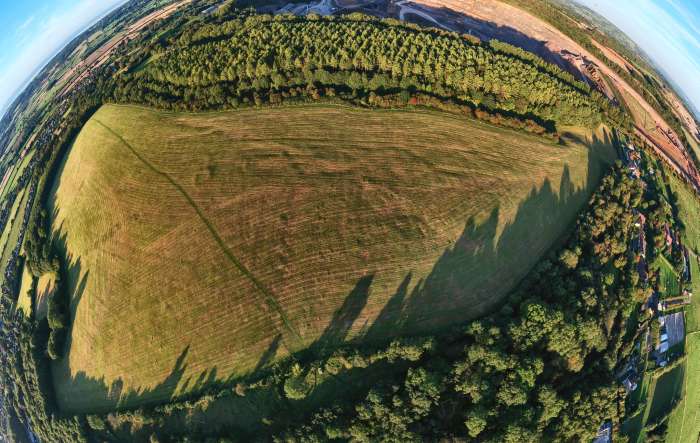
Pitt-Rivers excavating Wor Barrow, Dorset in 1893. General Augustus Lane-Fox Pitt-Rivers was very professional, and an important pioneer in many aspects of archaeology, his work being neat, methodical and accurately surveyed in accordance with his military training. Not only did he record all finds, however trivial, but also the contexts in which they were found, and published all the information in massive volumes, with copious illustrations that are informative even today. Back at Backwell, Reverend Masters was very disappointed by his barrow, because instead of burial urns and jewellery, etc. all he found was a pavement of flat stones, 2 ft down below the surface. They covered a layer of ‘moist and unctuous’ (greasy, soapy, oily) earth which yielded bones from pigs and smaller animals, but no human ones. There were also fragments of glazed earthenware, tobacco clay pipes and iron nails, all of a recent date, which he declared ‘constituted a puzzle’. As the nearby Jubilee Stone was only built the previous year in 1897, it is probable that these unexpected finds were left by the workmen, who buried traces of their meals and pipes beneath stones in the barrow – these stones being identical to those placed beneath the Stone itself. In 2011 both resistivity and magnetometry geophysics were carried out on several of the barrows to determine if any features still remained beneath the surface of the soil, and two previously unknown ones with ring ditches were found. Probably all the main burials are still intact, and although this could be confirmed by excavation, it is better that they remain intact and undisturbed, on the hillside where they have already lain for several thousand years. Most of the top stones were removed to allow deep ploughing by tractors in the field after the War. Very little can be seen of the barrows today, apart from slightly raised surfaces in the grass. This aerial photo, taken in the evening sun in September 2019 from 400 feet above the Jubilee Stone, clearly shows the circular outline of one of the barrows, to the left of centre.
|
Author: PeterBET
-
Backwell Barrows
-
Plants and Flowers
Plants and Flowers
We have a wonderful variety of plants and grasses on our reserves – 270 species or more! Through careful management, we nurture three distinct types of habitat with their own special varieties of plants:
- Ancient Woodland – with indicator species such as Dog’s Mercury and Sanicle
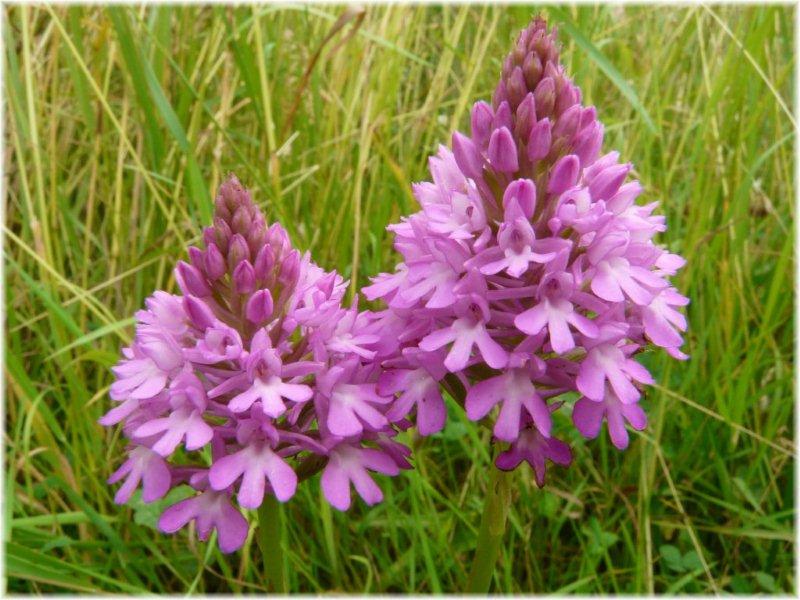
- Traditional Limestone Grassland – with species such as Common Spotted Orchid and the wonderfully-named Ploughman’s Spikenard!
- Acid Heathland – supporting species such as Bell Heather and Tormentil
Here is a gallery of photos of some of our less common plants.
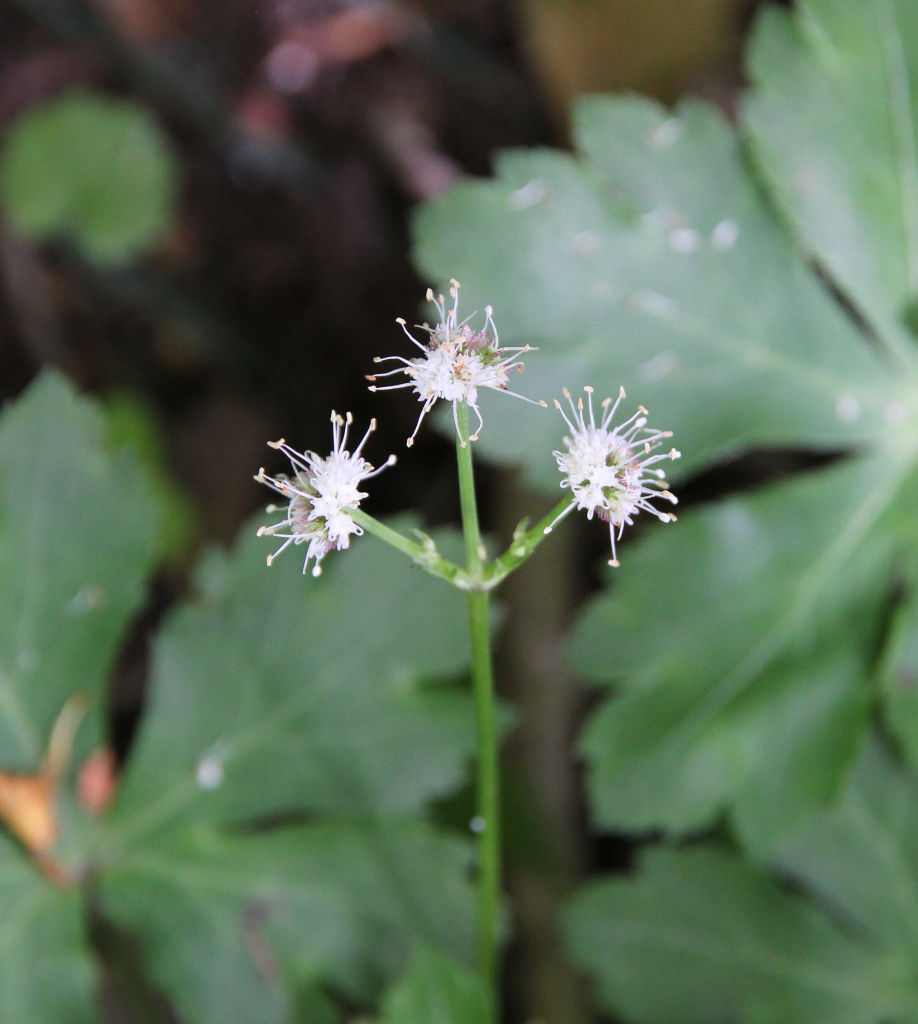
Sanicle 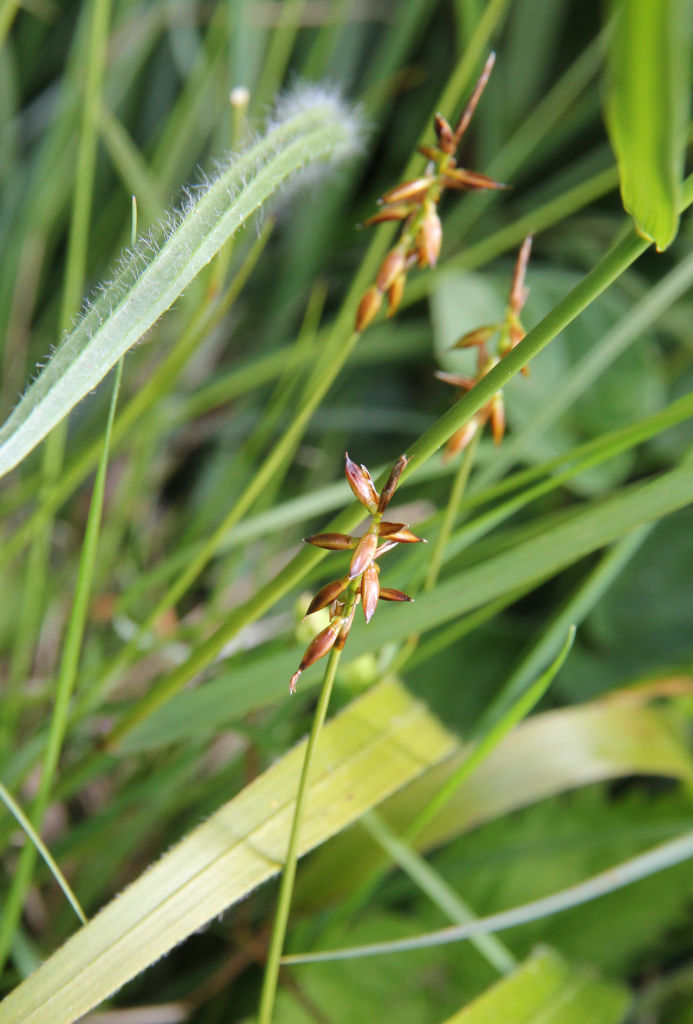
Flea Sedge 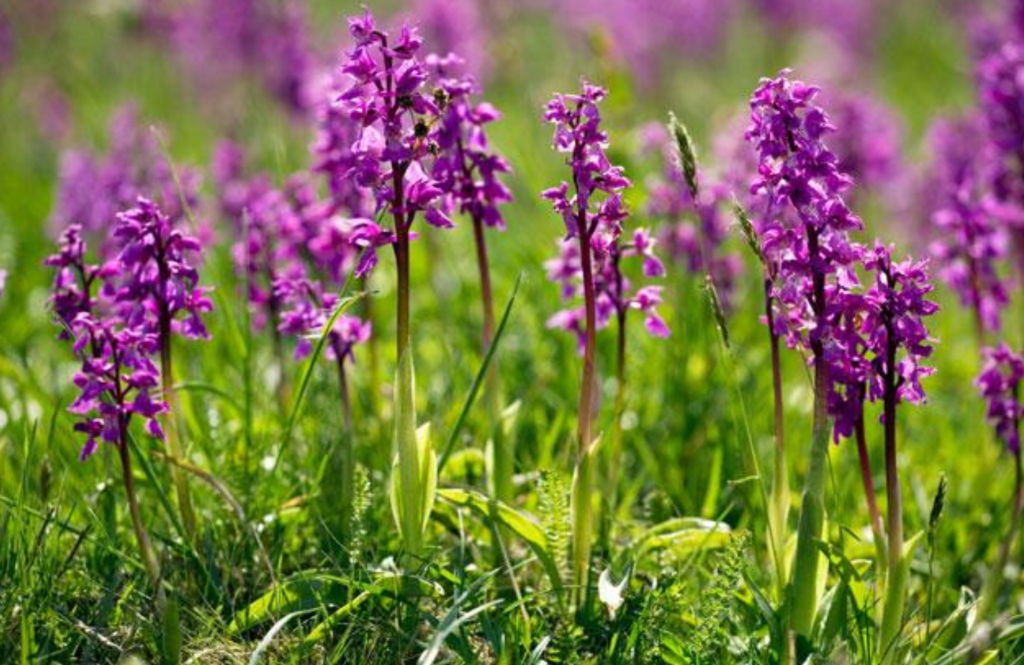
Early Purple Orchid 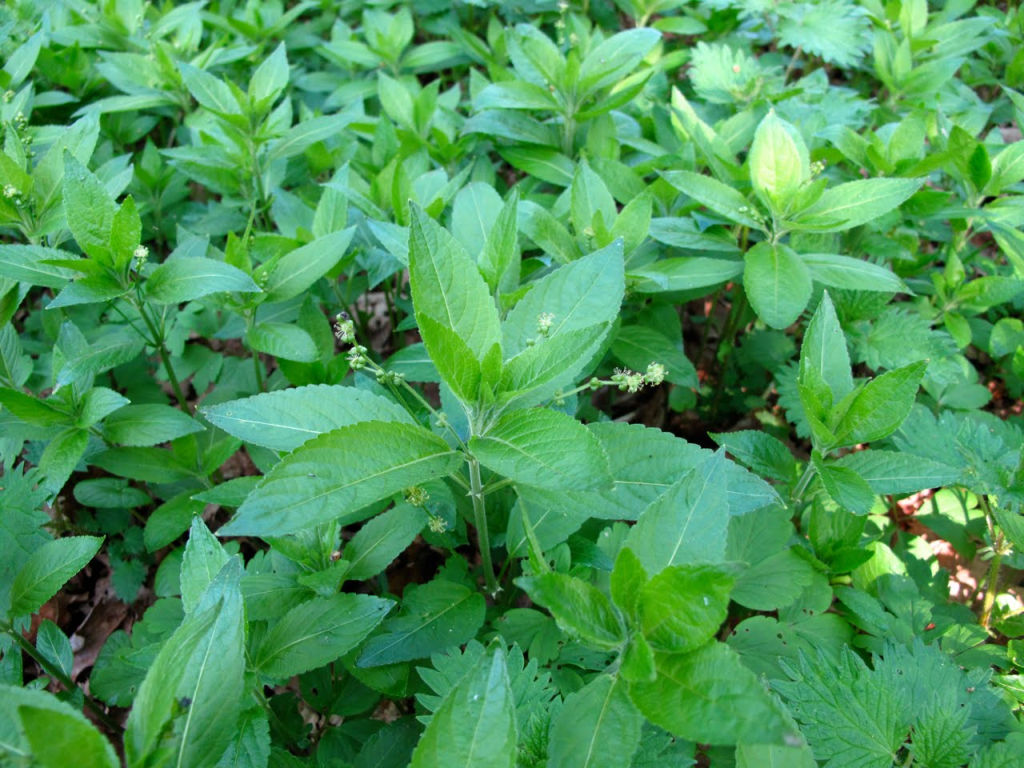
Dogs Mercury 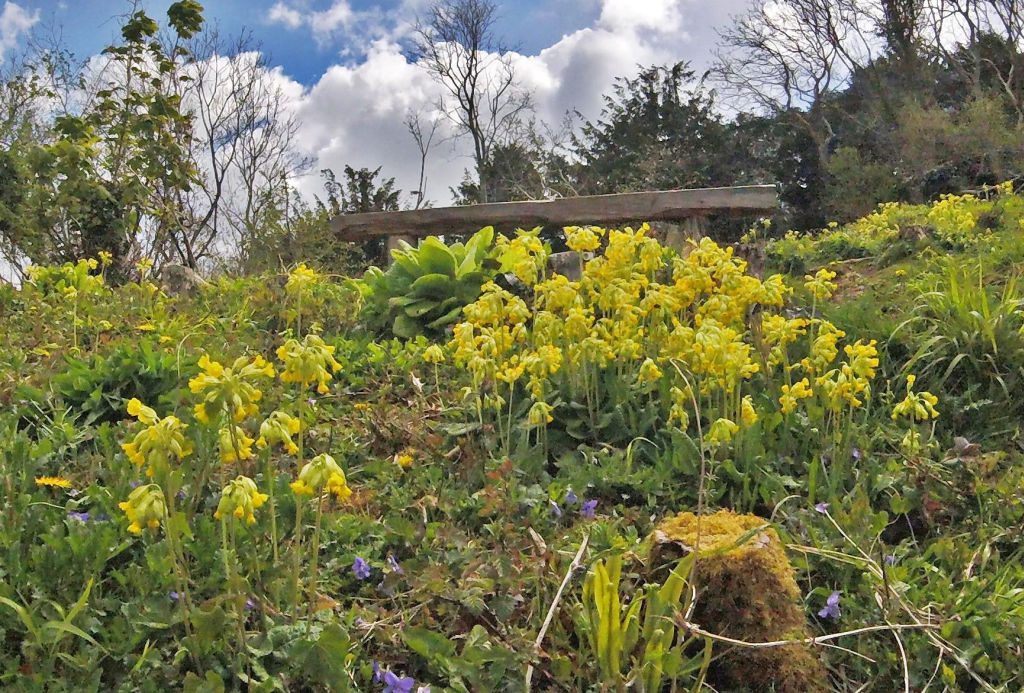
Cowslip 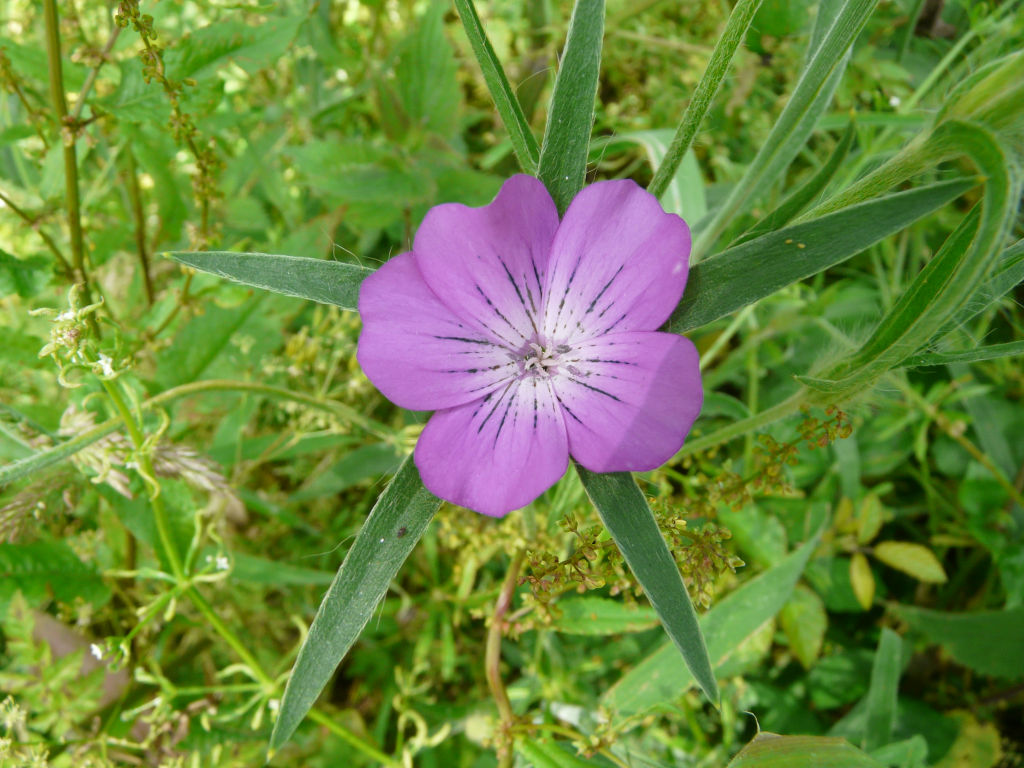
Corncockle 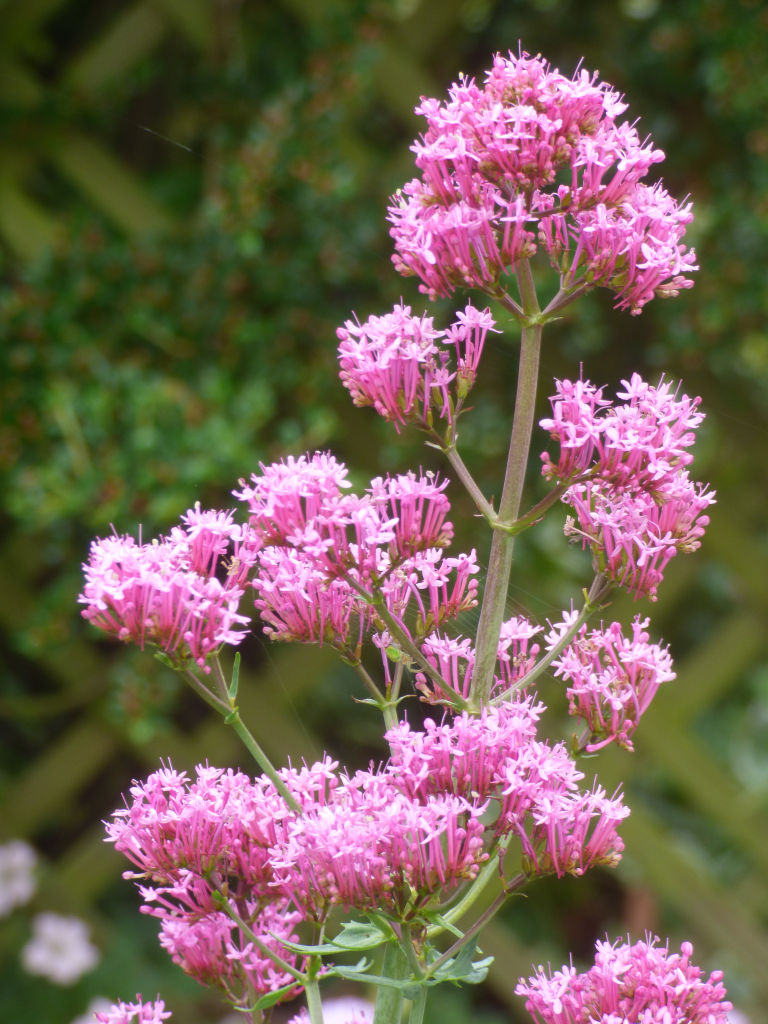
Red Valerian 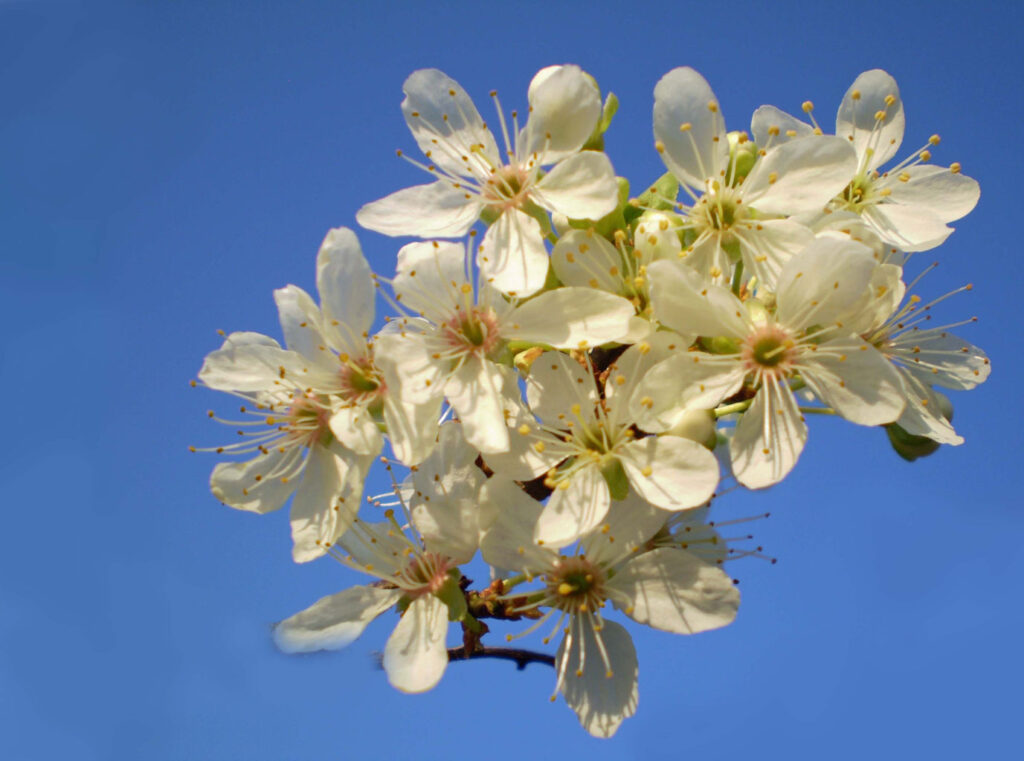
Blackthorn 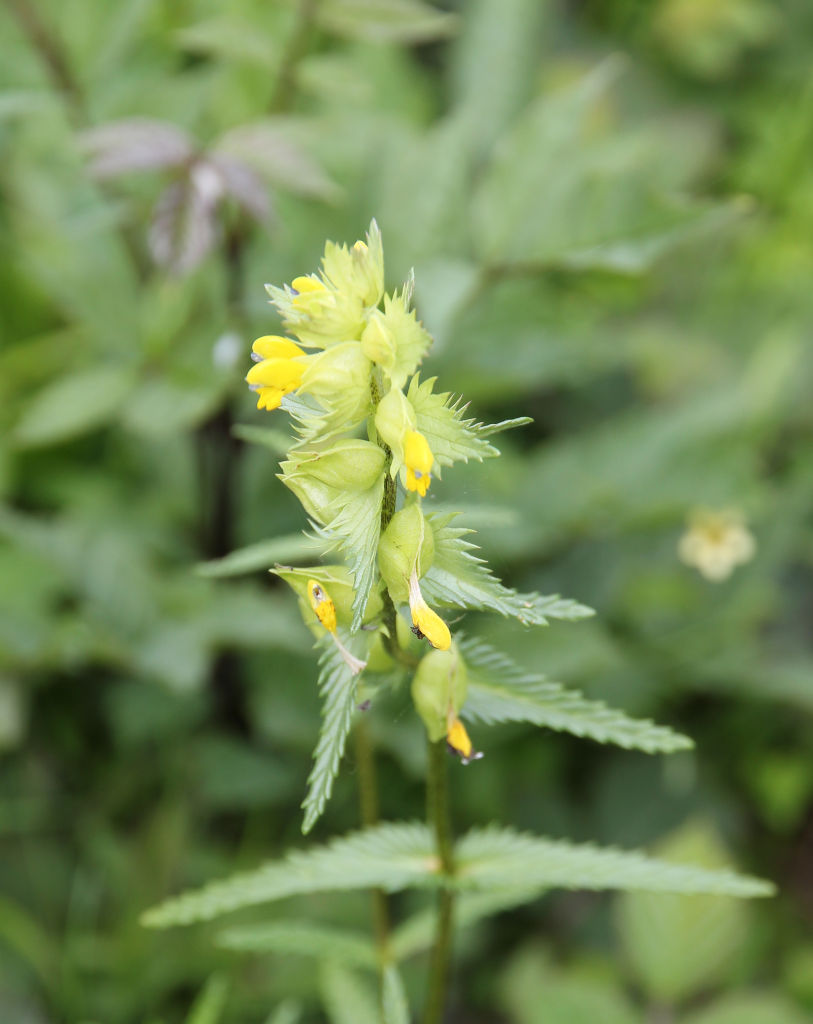
Yellow Rattle 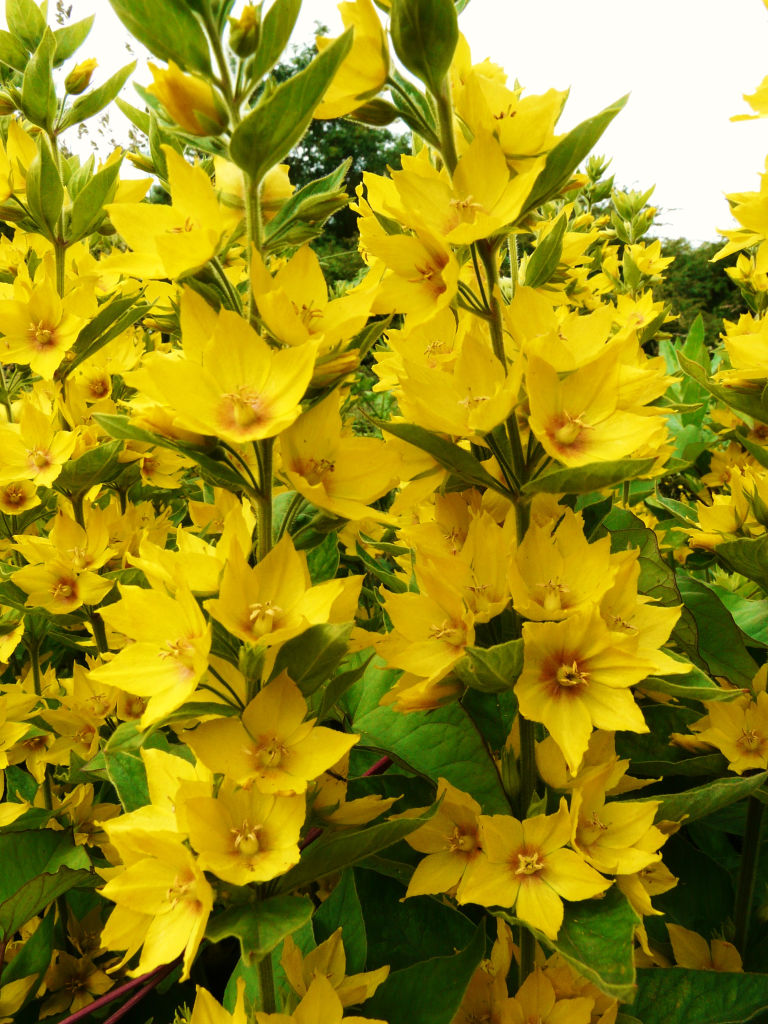
Yellow Loosestrife 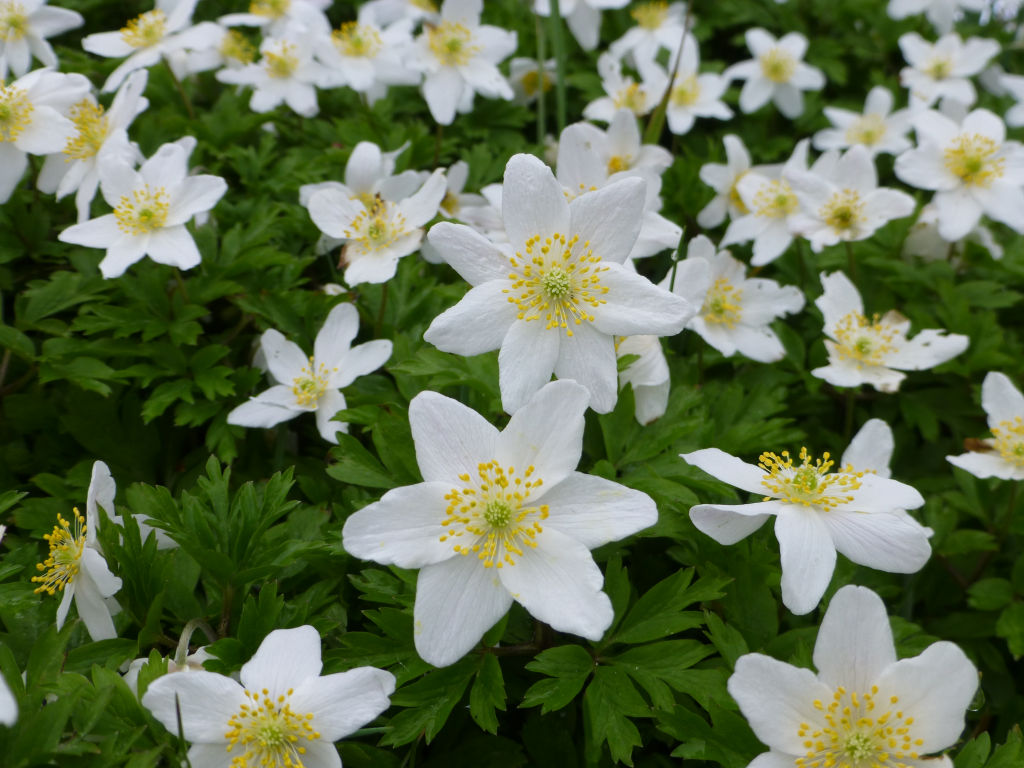
Wood Anemone 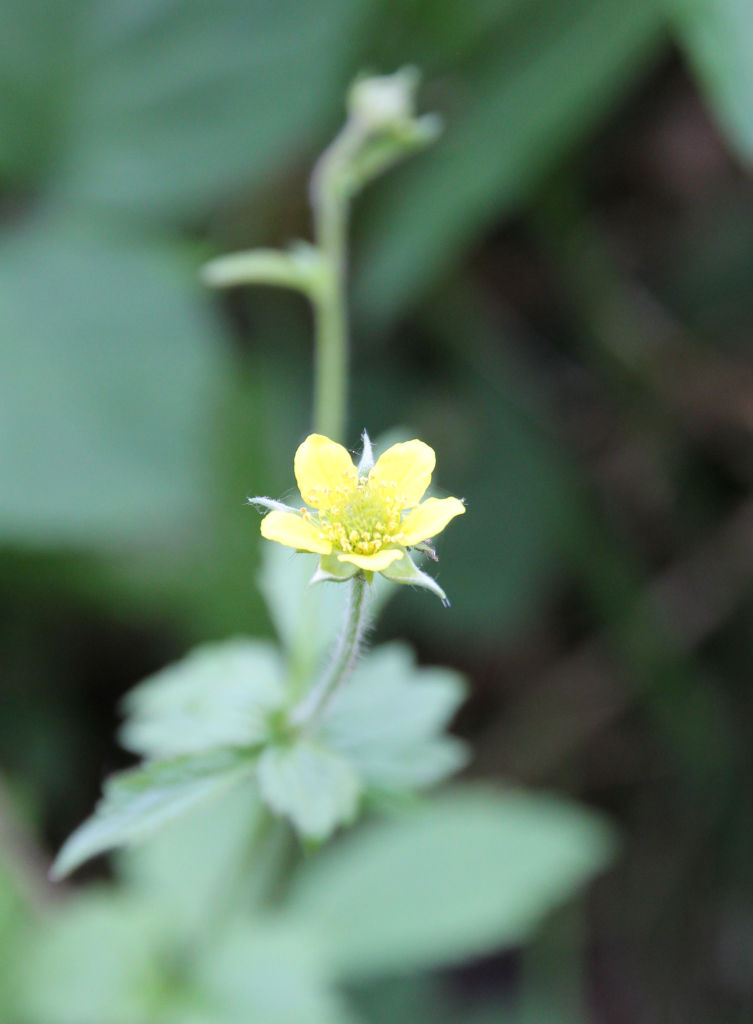
Wood Avens 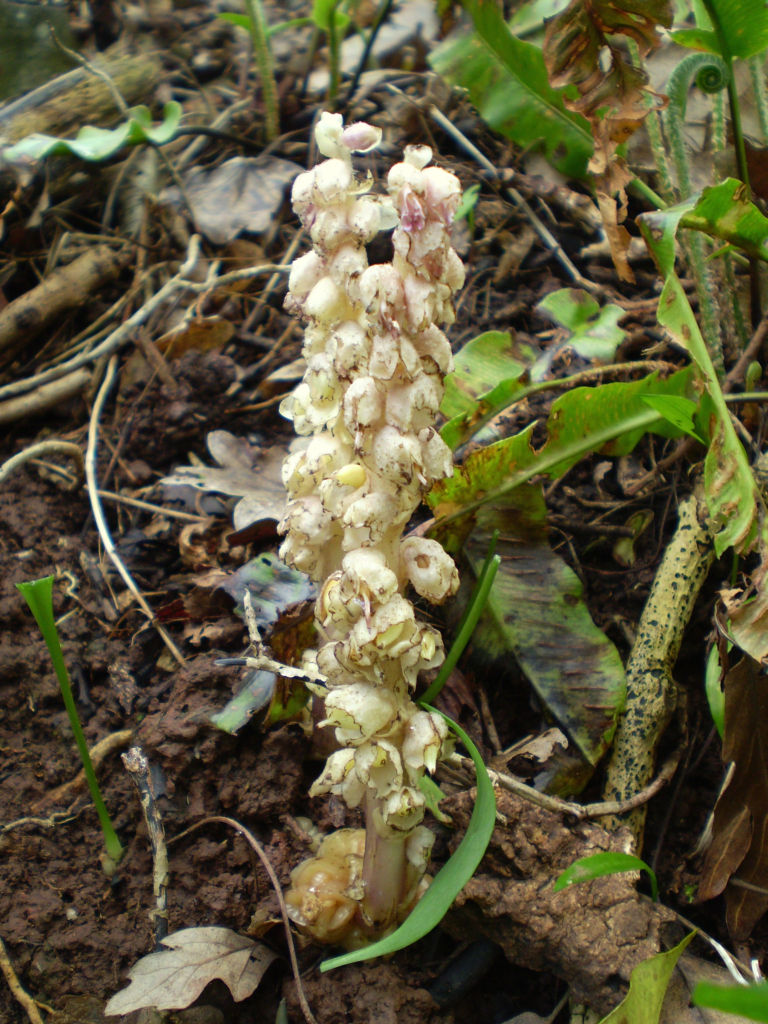
Toothwort 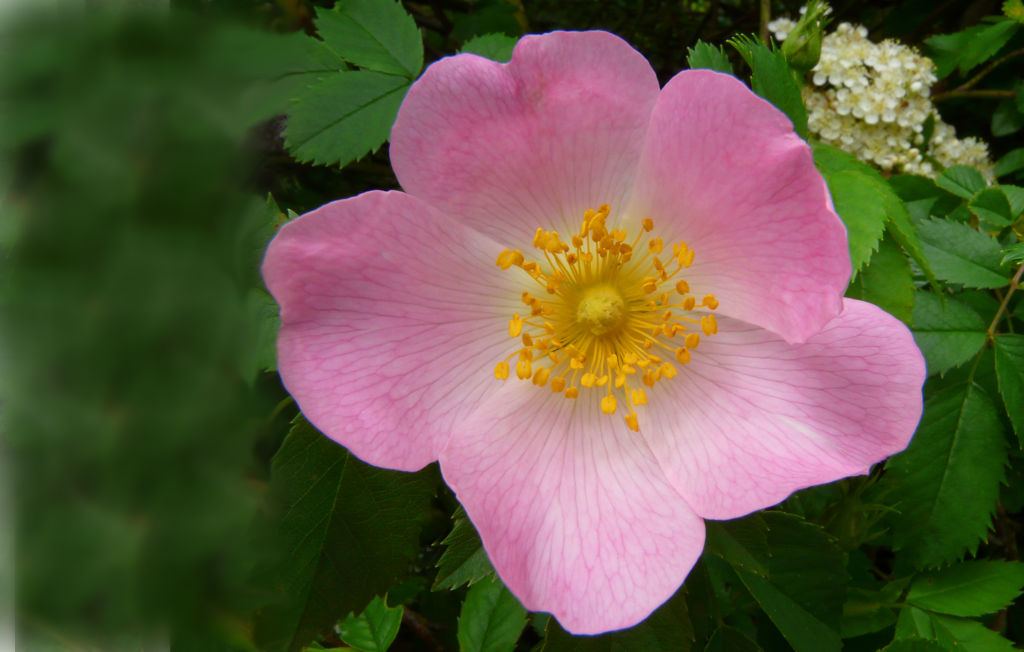
Dog Rose 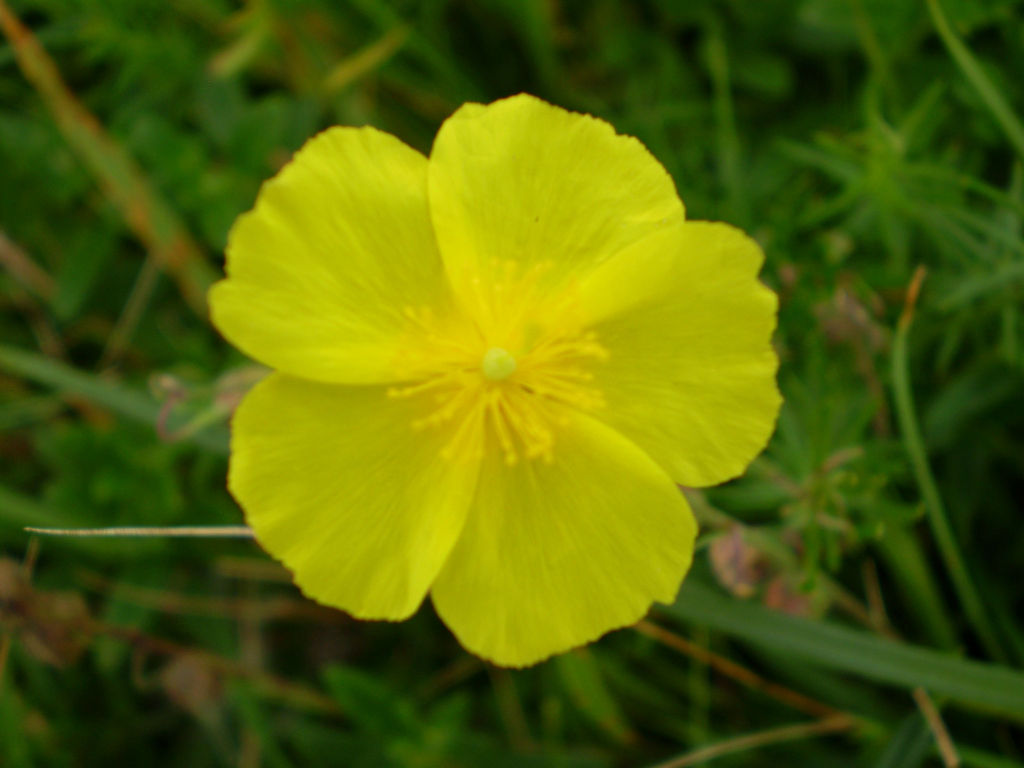
Rock Rose 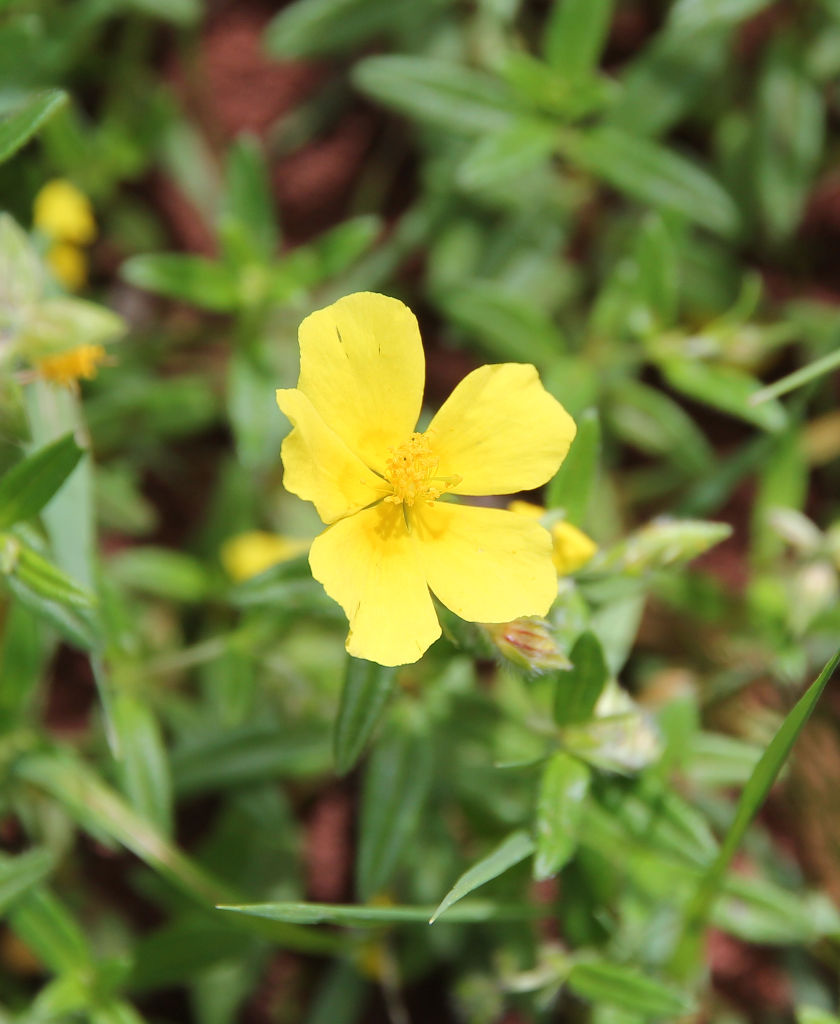
Rock Rose 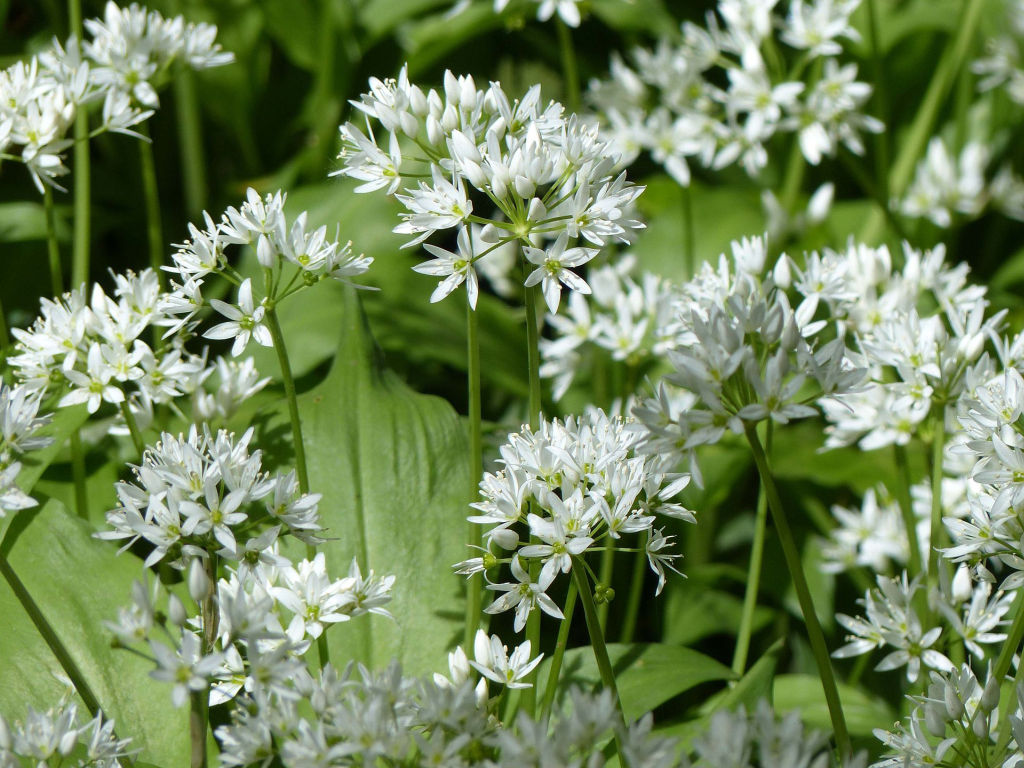
Ramson 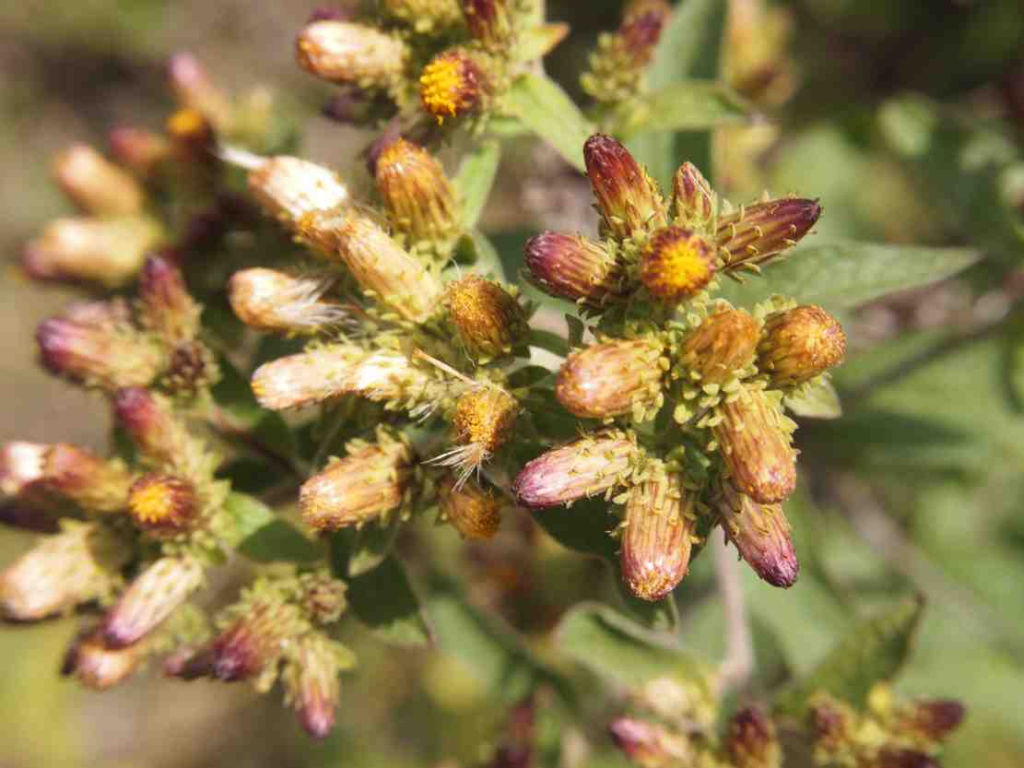
Ploughman’s Spikenard 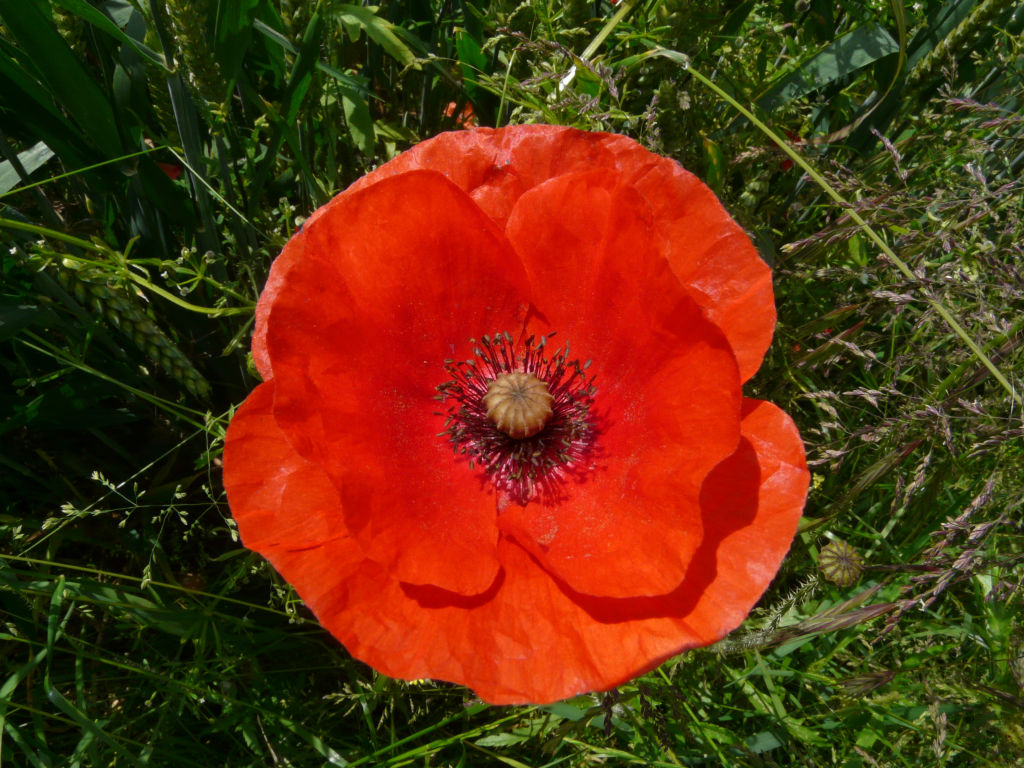
Poppy 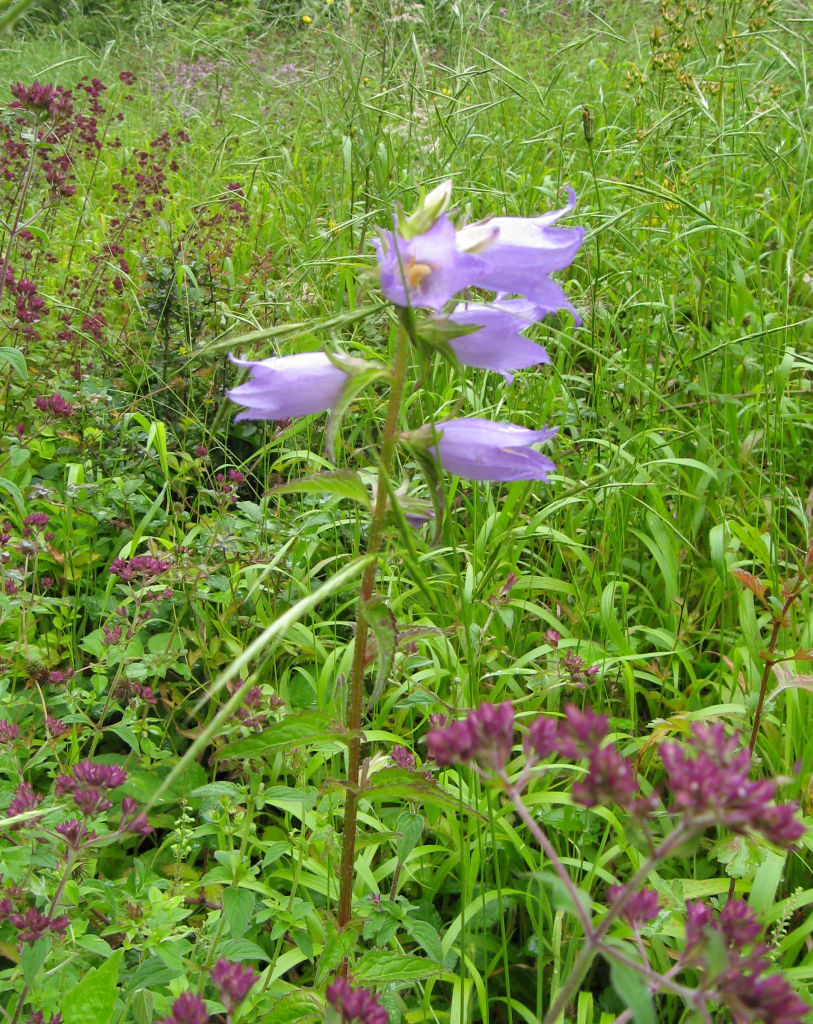
Nettle-leaved Bellflower 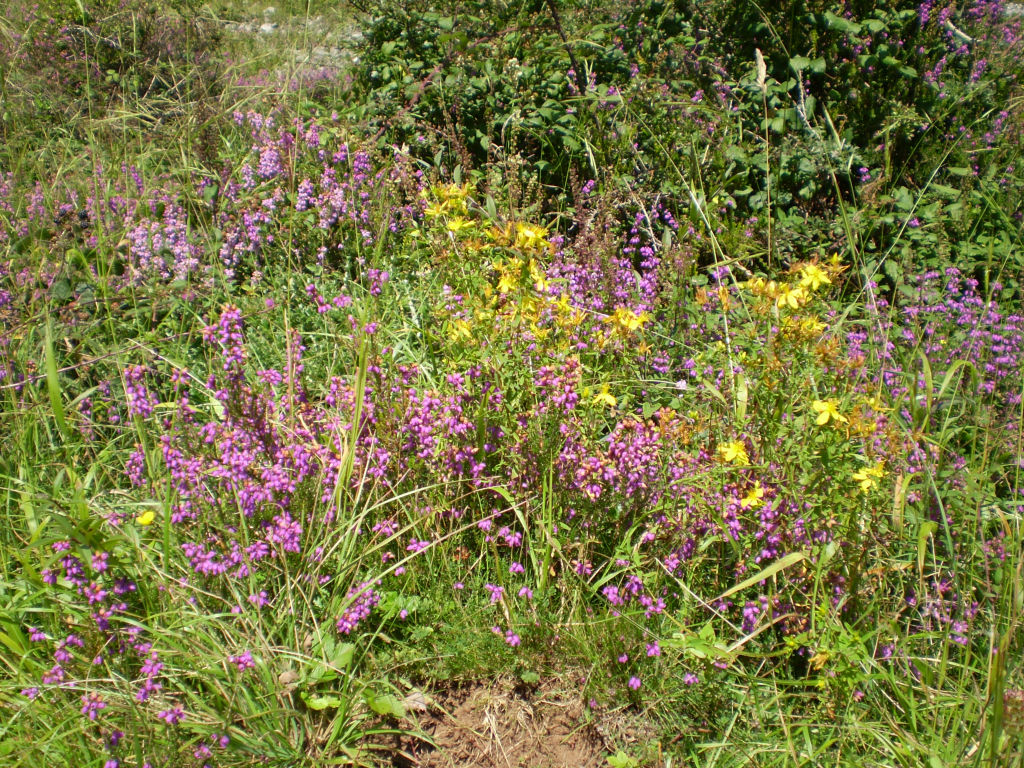
Heather & Gorse 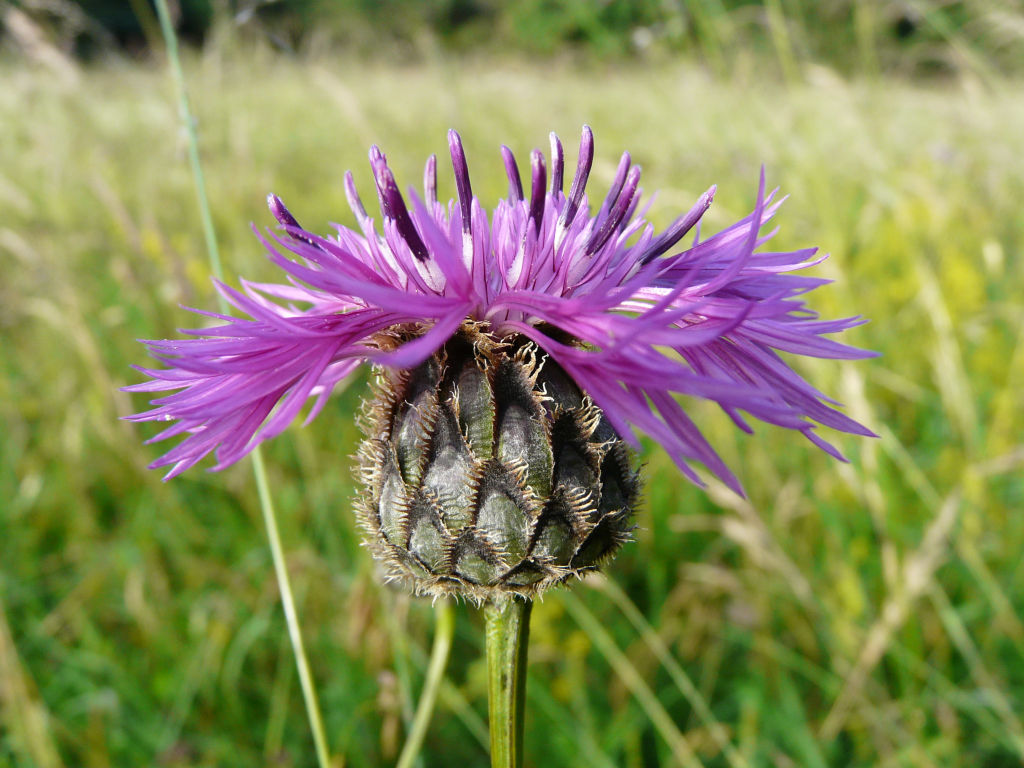
Greater Knapweed Pyramidal Orchid Read more about:
- The Somerset Rare Plants Group Visit in June 2022
- The English and Spanish Bluebells in our woods
- Our rarest plant – the Yellow Bird’s Nest
- A participant’s view of the Grass Identification Course held on-site in 2016
- Our fabulous New Wildflower Meadow
-
Geology
Geology
The geology of BET’s nature reserves is dominated by Carboniferous limestone that was laid down some 300 to 350 million years ago in a warm, shallow sea from the remains of countless marine animals.
One hundred and fifty million years later during the Jurassic Period, mineral rich water began to be forced up from the hot depths of the earth through the many faults and fissures in the limestone which today has resulted in the accumulation of numerous metal ores in the bedrock.
The most abundant minerals to be found on the reserve are galena (lead sulphide), calamine (zinc carbonate), yellow ochre (iron oxide), barites (barium sulphate), malachite (copper carbonate) – and probably many more as yet unidentified.

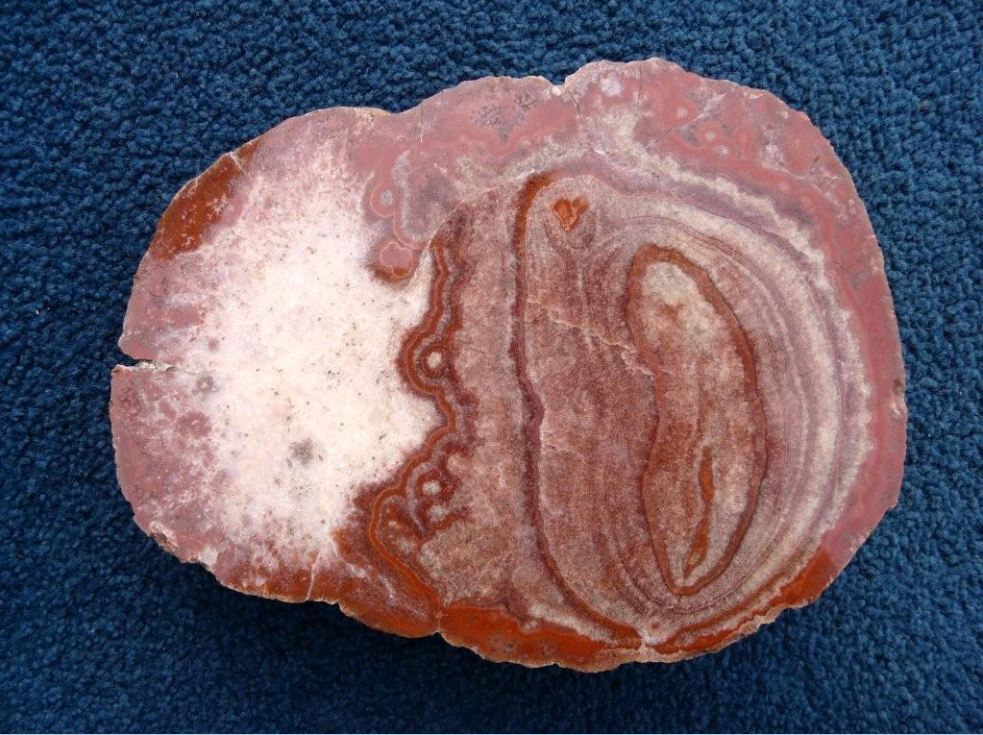
Potato stones are quartz nodules either spherical or ovoid in shape with a somewhat fanciful resemblance to the humble potato.
During the Middle Ages, the quartz crystals in these stones were sometimes mistaken for real diamonds and were consequently locally referred to as ‘Bristol Diamonds’. They are quite widespread in our area and vary in size from less than 1cm to a maximum of about 20cms in diameter. When cut in half, potato stones reveal their amazing internal structure which is frequently made up of the convoluted, coloured bands you see here. As in this local example from nearby Stancombe Quarry, the chief colouring agents often come from a complex mixture of red iron oxides.
A Cut and Polished Potato Stone
-
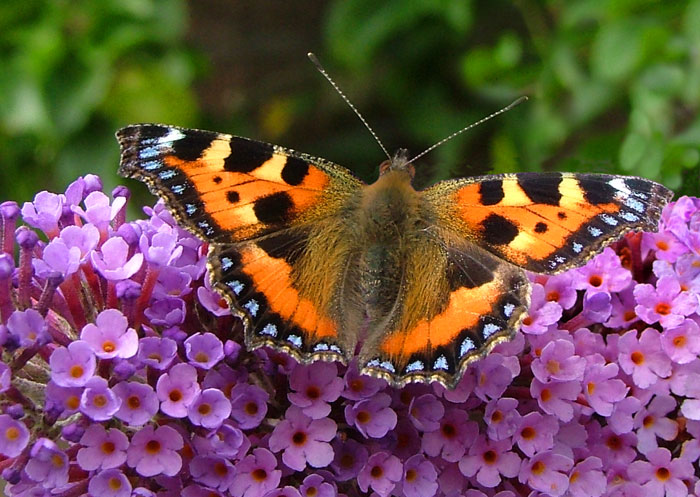
Butterflies and Moths
From spring to autumn, the wildflower meadows and scrubby areas on BET’s nature reserves are alive with fluttering butterflies and moths feeding on the abundant nectar. Our nature reserves have been, and are being, managed to contain the widest range of habitats possible and now include sun-baked wildflower meadows, sheltered scrubby clearings as well as dense woodland. This variety of different environments should ensure that many species of butterfly and moth will be able to find their own special niche somewhere on our reserves. Summer is by far the best time get out and look for butterflies and moths, so to start you off, here are a few favourites.
Small tortoiseshell 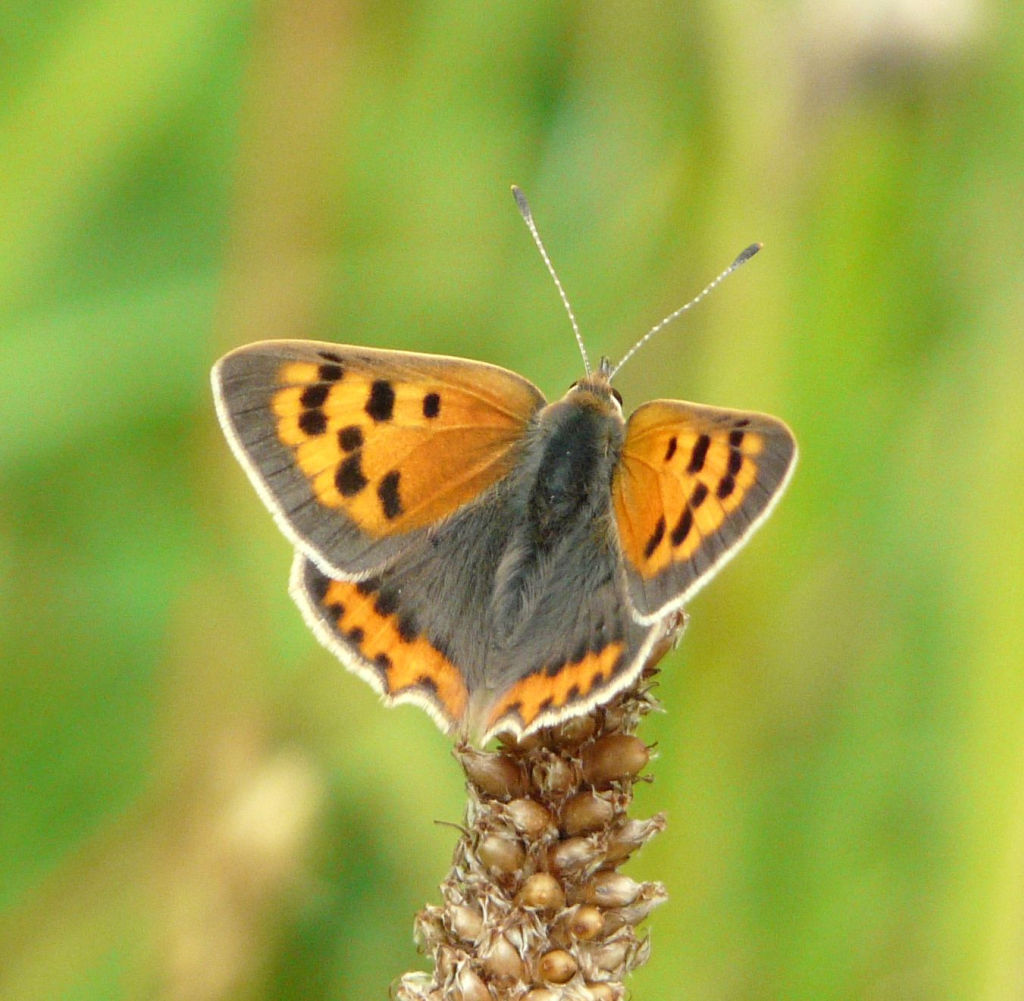
Small copper 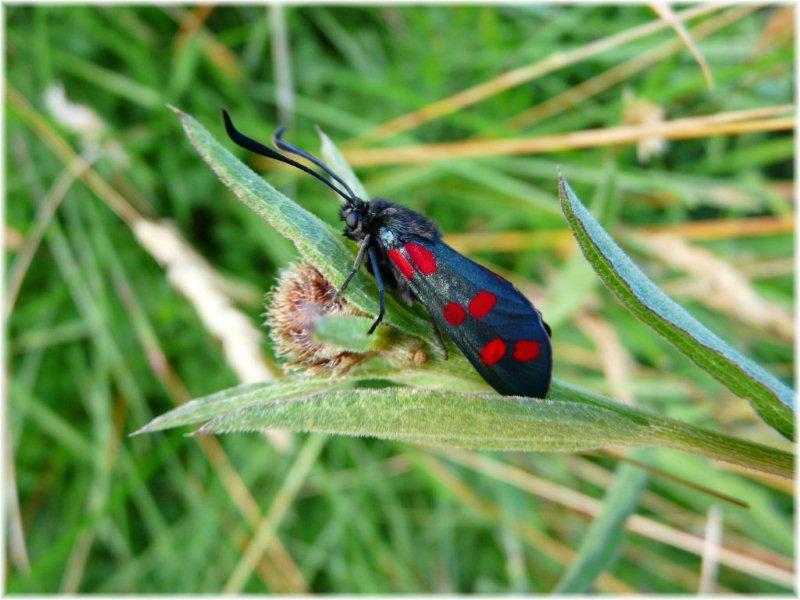
Six spot burnett moth 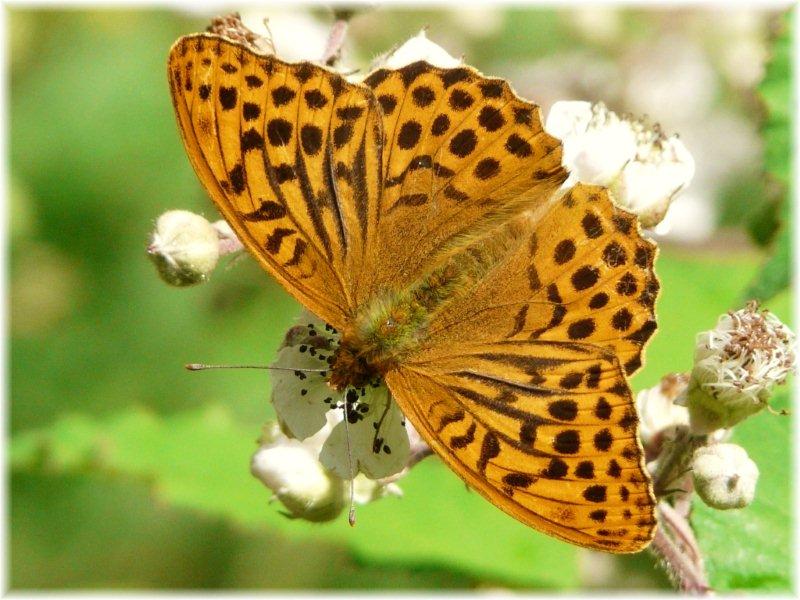
Silver washed fritillary 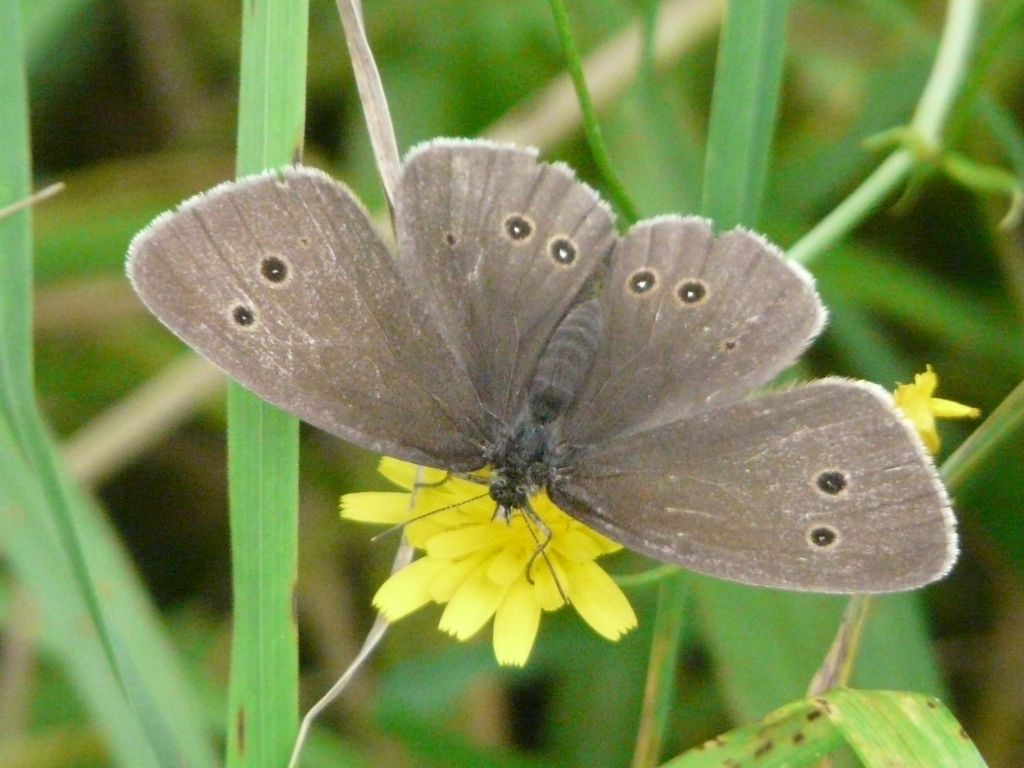
Ringlet 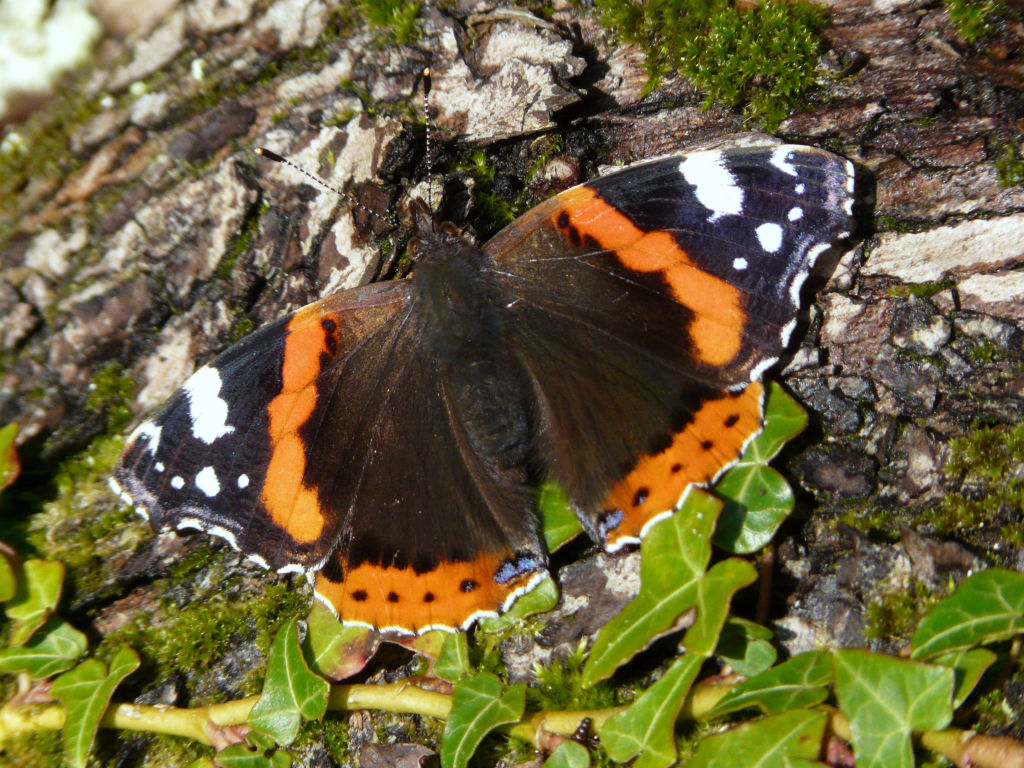
Red admiral 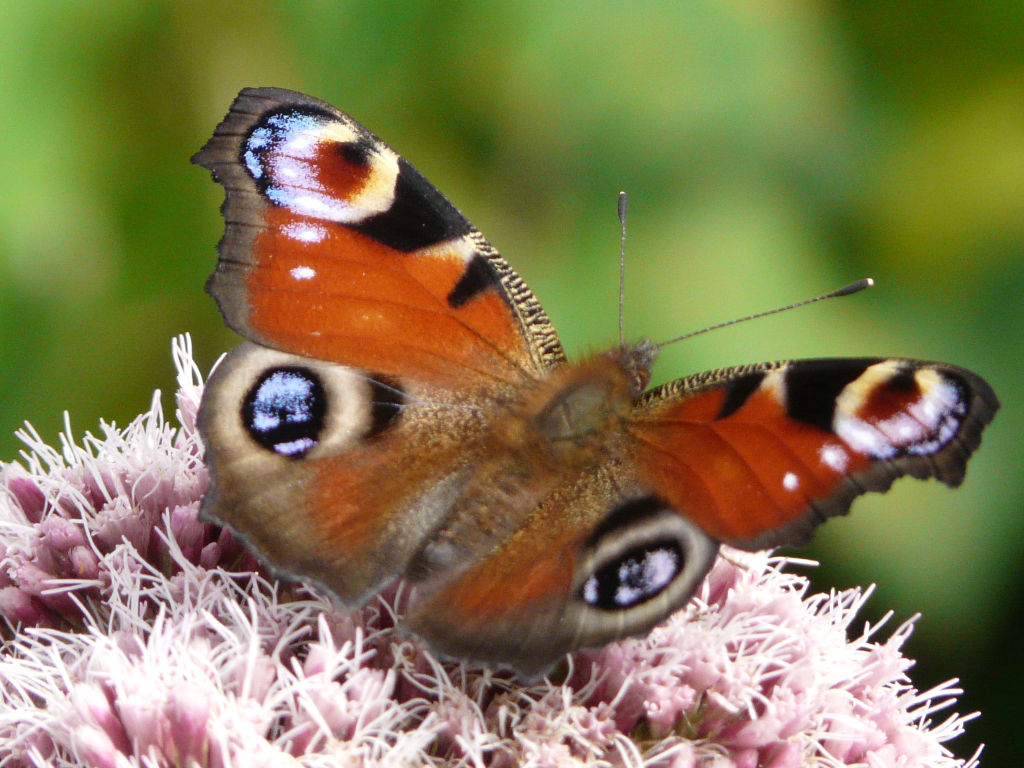
Peacock 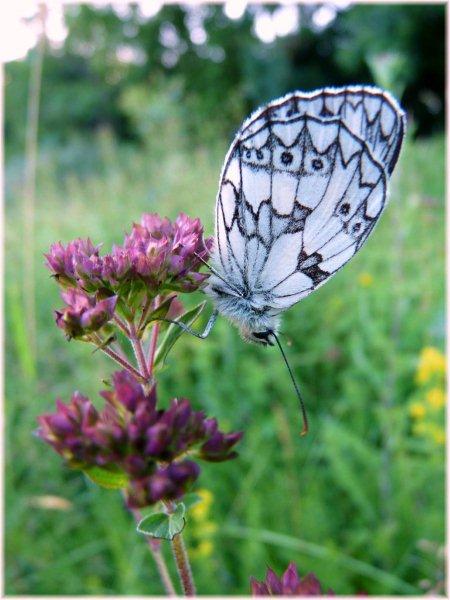
Marbled white 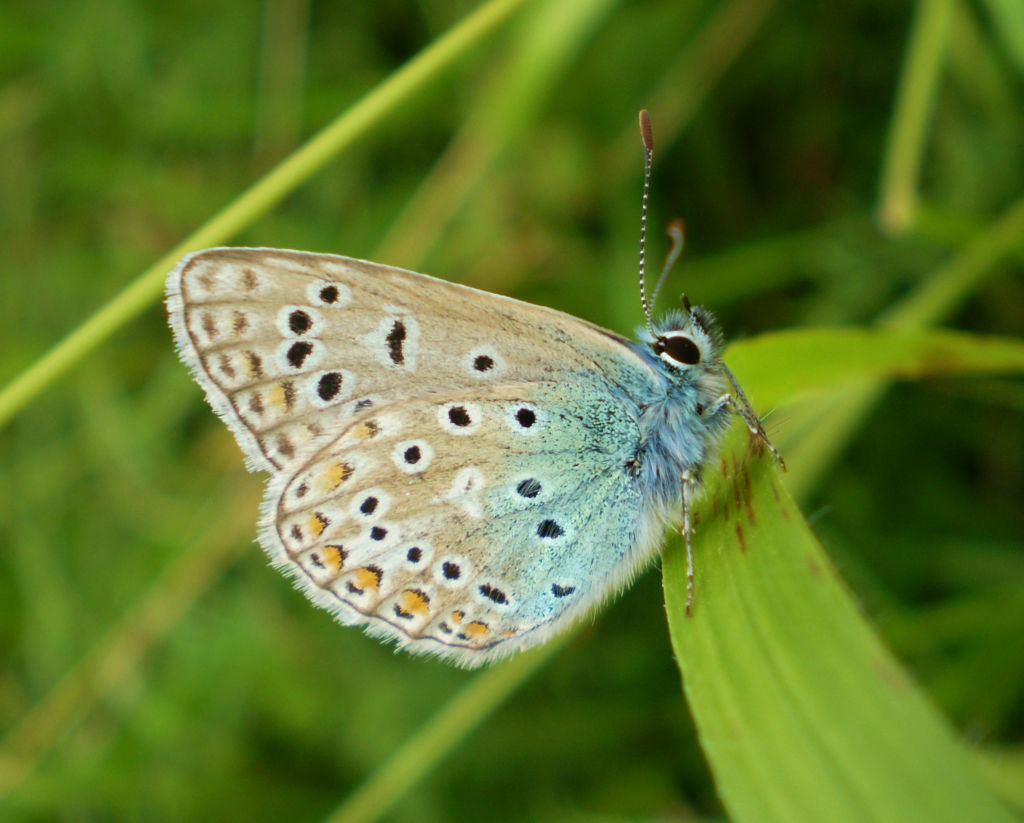
Common blue 
Comma 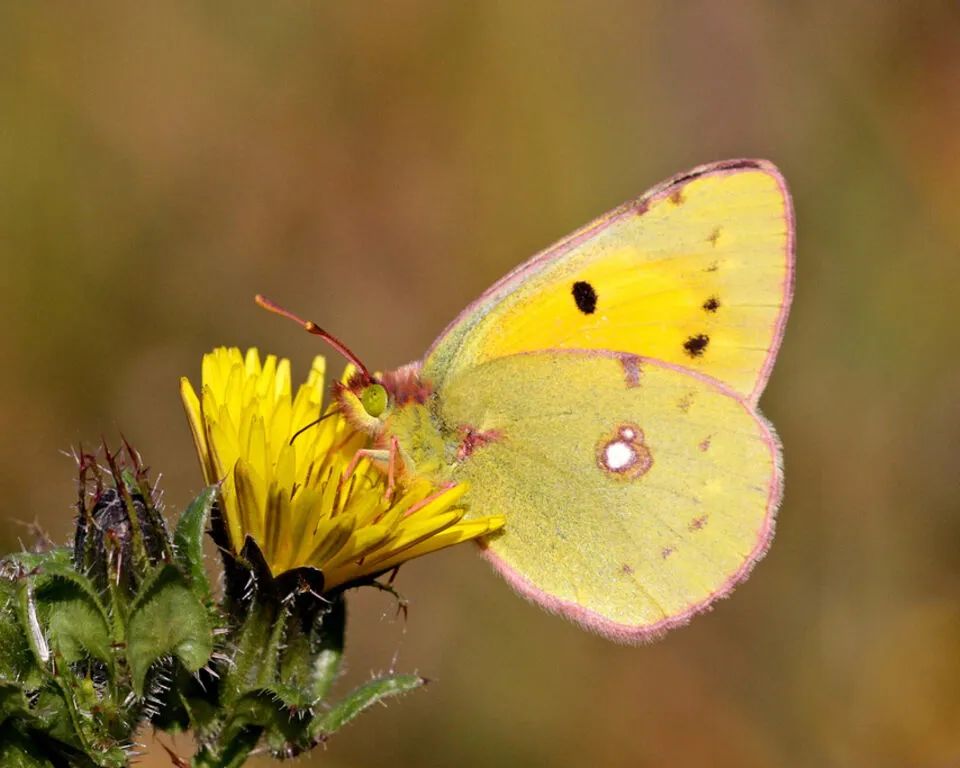
Clouded Yellow -
Junior BET
BET is not only for adults, children are welcome to discover the enjoyment of working and playing in the woods, we have included a few ideas to get you started.
We want to encourage our junior membership to enjoy our reserves as much as the adult membership.
Here are a few ideas of things you might like to do…

Join a working party on a Saturday morning and learn how to use a Saw or Loppers with a parent

Run about and play in the woods – perhaps build a ‘Den’ with your best friend

Climb a tree

Take a digital camera and photograph any fungi you discover – then identify them with a book when you get home

Take a digital camera and photograph any wild flowers you discover – then identify them with a book when you get home
Enjoy the Woodland trail at the top of Jubilee Stone Wood Nature Reserve – look out for the carvings on the wooden posts
Enjoy a pond-dipping session – remember to take a net and put back all the wildlife you discover!
Why not send in a report of your activities (by email) for possible inclusion in our periodic Bulletins.
What ever you do, have fun!