Author: PeterBET

  • The Jubilee Stone

    The Jubilee Stone

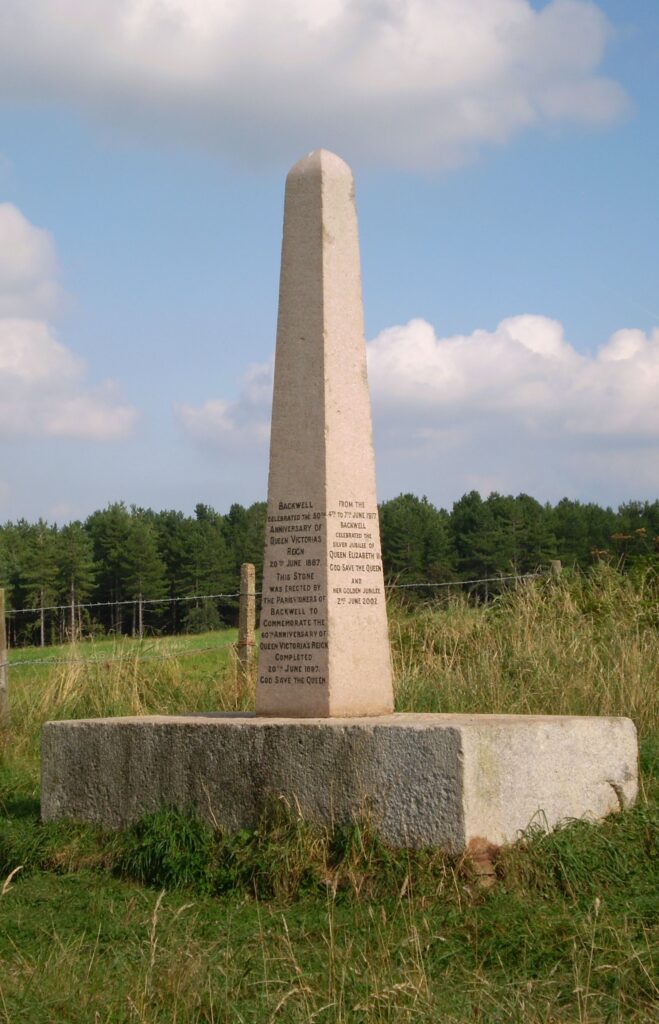
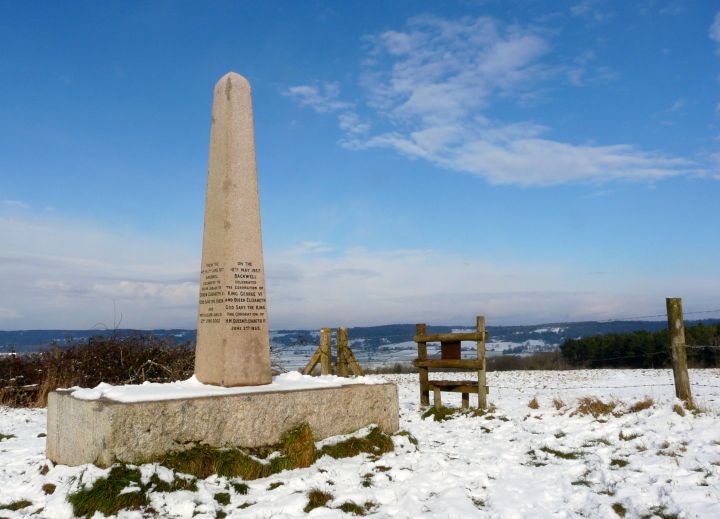
    The Jubilee Stone was erected to commemorate the 60th year of Queen Victoria’s reign in 1897. Since then, subsequent royal anniversaries have been added to the obelisk.

    When first installed on the hilltop the surrounding area was open and grazed. After the Second World War neighbouring fields were fenced off for farming and gradually scrub developed and later trees – which became Jubilee Stone Wood.

    The Stone has been a focal point for the village and the venue for many celebrations over the years.

  • Viv’s Latest Blog – 7th August 2026

    Viv’s Latest Blog – 7th August 2026

    Friday 7th August 2026

    Butterflies and the heatwave….

    Goodness what a challenging summer we are having.  Sitting here, in the BET woods, close to the Jubilee Stone, I can see the brown, dry grass, the limp ferns, the trees that are struggling to keep hold of their leaves and the dried up flowers.  As I walked up here I could hear the sound of the blackbirds rummaging desperately in amongst the dry leaves for grubs – no chance of a worm for them for weeks. Then the weak chatter of blue tits who are conserving their energy with the heat and reduced availability of water. There are also the signs throughout the meadows of badgers digging in amongst the anthills for a sparse meal.  Those of us who love the woods and the wildlife therein are so terribly sad at the sight of it just now and are praying for any sign of rain.

    But all is not lost as we remember how amazingly resilient nature can be.  Time and time again I have written about the cold or hot weather that appears to us, comfy enough in our homes, to be unliveable for wildlife.  Yet somehow nature survives and, in some cases, thrives.  That is why I’m writing now to celebrate the amazing results from this year’s butterfly surveys.  

    To return to last year initially – which seems an age ago – the survey year began with a wet and windy spring, with just snatches of warmth.  Then, suddenly, summer broke through in June and we had real heat and good records of butterflies.  At our peak we counted 308 mid June, which at that time felt like a healthy number for our ever-improving meadows.  Ringlets suffered as the wet weather came just when they were due to emerge, but most other species held their own.

    However our concern centred on the lifecycle of the butterfly and whether the eggs, caterpillars or chrysalises (the other 3 stages in a butterfly’s lifecycle) would survive this up and down weather which seems to be becoming the norm. So we waited with curiosity for this year in the hope that it would be a temperate year and allow nature to thrive rather than struggle.

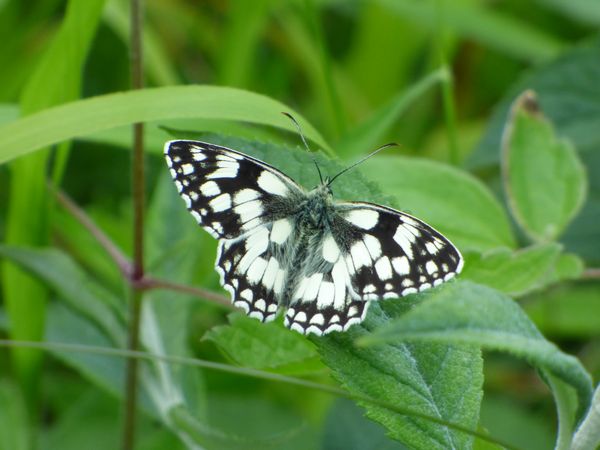
     What we couldn’t have expected, and would have dreaded, was a 2026 that would be one of the hottest and driest summers on record. And whilst we have some weeks to go yet before the end of our surveys, which run from March to the end of September, the results have been startling.  First off the signs were not good.  The spring was wet and cold again and we started June having only managed 4 surveys due to the weather.   We were concerned.  The over-wintering butterflies would have had a late start and be struggling without food, the chrysalises would be needing to emerge but there was nothing but rain on offer.   2 hours of surveying in May gave us a handful of Brimstones, Speckled Woods, some struggling Small Whites, and some Holly Blues.   Then the sun came out at the end of June again and we cheered.  The temperature shot up and our count went from 26 butterflies on the 29th May to an amazing 370 mid June.  Meadow Browns and Ringlets filled the meadows and Marbled Whites appeared at every turn.   

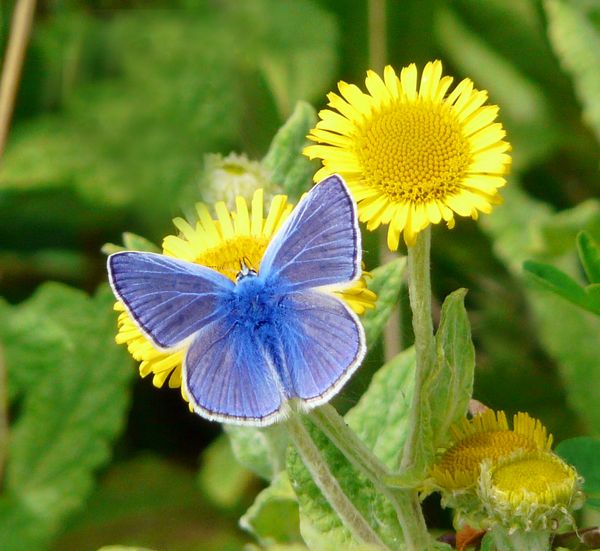
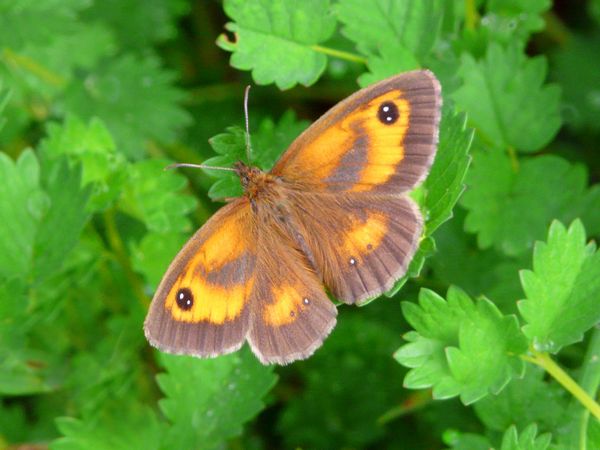
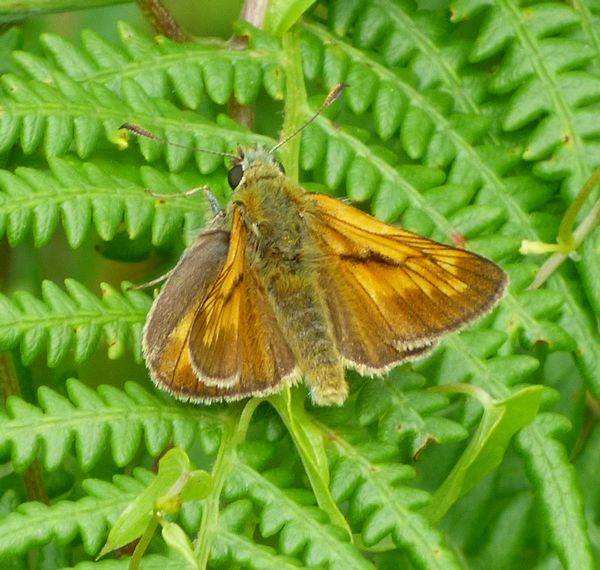
    Skippers did their best to avoid identification and Red Admirals sat comfortably on the early Buddleia.  On the 26th June, with temperatures at a high of 26C (or so we hoped), we counted (exhaustedly) an amazing 946 butterflies.  But it didn’t stop there.  Our weekly totals in July exceeded 400 each time as the drought and the heatwaves came and went.  No water was to be seen and the plants throughout the wood were wilting and dry and yet ‘freshly minted’, as I like to call them, butterflies were still emerging for us to count.  Gorgeous and new soft brown Speckled Woods dancing in the sunlight, unusually large and beautifully orange Gatekeepers and startlingly high numbers of Common Blues both hanging out, and bickering, on the remaining Marjoram. 

    With a fifth heatwave almost upon us and an official drought in North Somerset, environmentalists are now very concerned about the ability of the butterfly eggs to be safe on the wilting plants, or the voraciously hungry caterpillars finding suitable food to eat in order to get chunky enough to be ready to pupate.  Then they need to find safe places amongst the dead and dying foliage to hang out for the winter.  It is a genuine concern and we all desperately hope that we do get more rain in the forecast before too long.  In the meantime, Ian and I will continue to count and be amazed and hopeful about how resilient these stunning little creatures can be.

  • Jubilee Stone Wood

    Jubilee Stone Wood

    The 10 acre Jubilee Stone Wood Nature Reserve (JSWNR) was purchased in 2005 and is a mixed broadleaf woodland interspaced with open areas of calcarious grassland. Its many rare species include the Hazel Dormouse, Greater Horseshoe Bat and the Yellow Bird’s-nest plant. The reserve also has an amazing archaeological history and contains the ruins of a 14th century rabbit warren and cottage, 17th century lead mines and a 19th century limekiln.

    Since acquiring the woodland, our volunteers have returned approximately 3/4 acre of hawthorn and ash scrub to wildflower meadows including an area of rare acidic ‘limestone heath’, now full of heather and gorse. Many smaller sections of the woodland have also been coppiced to create sunny glades whilst approximately 150 metres of hedgerows have been created. We have also installed two ponds which have been extremely successful in attacting a wide range of amphibians. JSWNR also contains a 300m ‘easy access trail’ leading to the magnificent viewpoint at the historic Jubilee Stone which is especially suitable for the less mobile and wheelchairs. The three main archaeological features of the reserve have interpretation boards and the 19th century limekiln has been restored. For more information, see the Archaeology Features menu.

  • Latest Bulletin – Spring 2026

    Latest Bulletin – Spring 2026

    Read all about the latest activity on our two nature reserves. Plus the intriguing story of how the Jubilee Stone nearly got relocated!

    Click here to download bulletin: Spring 2026

    To access all past editions click here: BET Bulletins

  • 20th May 2026

    20th May 2026

    Viv 1 Neo crWednesday 20th May 2026 9:00 a.m.

    Viv goes on the Snail Trail in Jubilee Stone Wood

    Snails, Trails and Willow Warblers

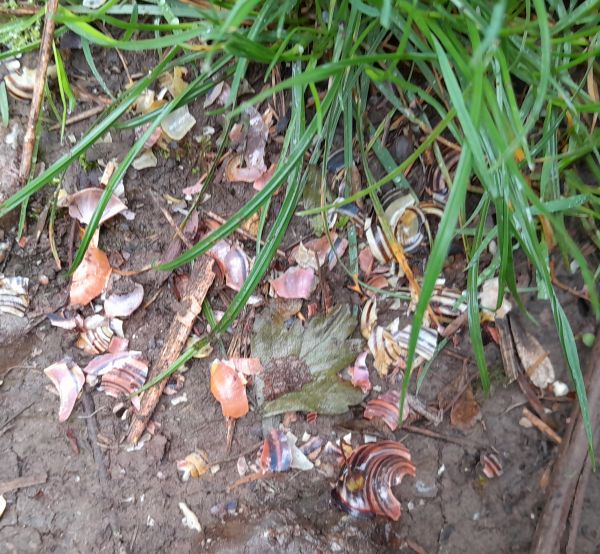
    Standing tall near the top of Jubilee Stone Wood is the Jubilee Stone, which proudly displays a roll call of many of the significant royal events of almost 200 years.  If you walk south east from the Jubilee Stone (away from the view) along the gladed bridle path towards the road, you will find yourself on the recently named Snail Trail.  Or, should I sadly say, the recently deceased Snail Trail. Since the beginning of spring walking this particular path has given rise to a regular crushing sound, a bit like walking over a path of Crunchy Nut flakes. Snail shells 600

    This is not new to this path at this time of year however there has been a noticeable increase in volume and crunch – with regular comments from walkers who have spotted the number of pieces of variously coloured snail shells distributed along the path.  Needless to say these are gradually being crushed down by the number of walkers and dogs and yet a day later more empty pieces of shell appear.

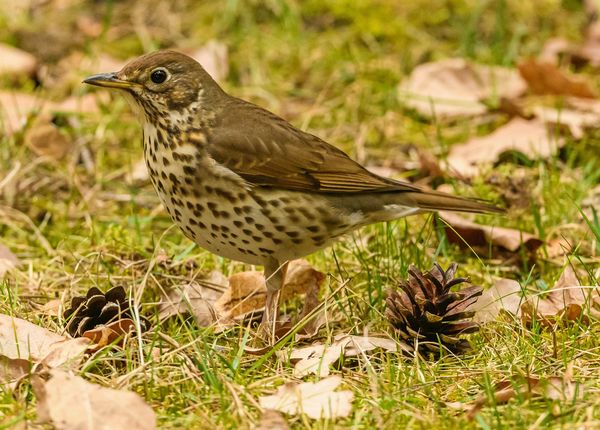
    Song Thrush 600Which brings us to the lovely Song Thrush – whose beautifully tuneful song is a highlight of these woods.  It just so happens that one of the favourite meals of the Song Thrush is a snail and they are well known for using any handy rock or tree root as an anvil, to bash the poor snail left and right until the shell falls away and the succulent meal is ready to eat.  It is no coincidence that there has been a notable increase in Song Thrush numbers this spring but I really can’t say whether more snails has meant more Song Thrushes or the other way around.  But one thing I did want to investigate is whether Song Thrushes are the only thrushes that do this.  Blackbirds, which have a very similar song to the Song Thrush but with much less repetition, are also in the Thrush family and we also have very good numbers of these.  The male blackbirds standing off to one another in the daftest of places – middle of the road, on busy paths or half way up a tree – are proof that fighting for territory or for a female is a busy Blackbird activity in BET woodlands this year.  So do our good numbers of Blackbirds add to the numbers of snail shells on the path?  Well, the BBC Wildlife Magazine is definitive on this.  They say that, almost always, it’s just a Song Thrush thing.  Blackbirds sometimes try but without the same success – so Blackbirds tend to go for the snails that can be prised open instead.  So there we have it – without Song Thrushes we wouldn’t have our Crunchy Nut flakes footpath. 

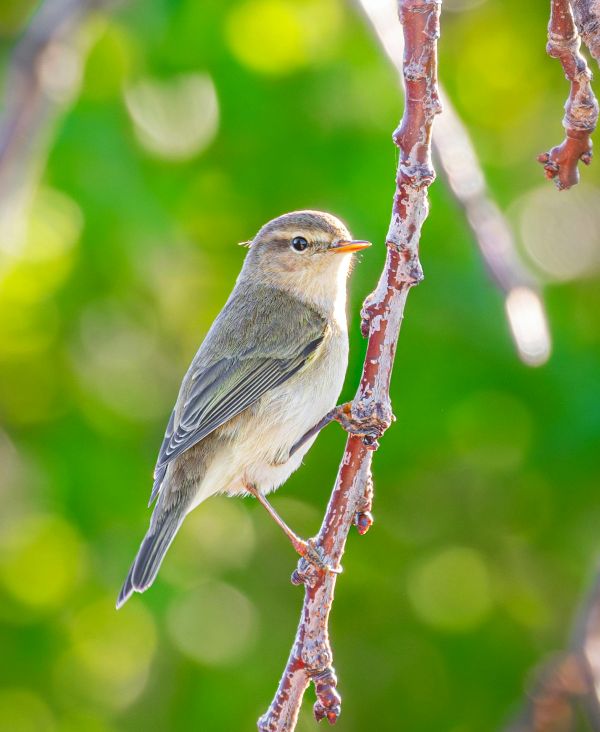
    But I can’t sign off without mentioning another highlight of this late spring.  We are well into our bird surveys for the year, with only one breeding bird survey left to do, and a bonus has been the Willow Warbler picked up, once again, near the Jubilee Stone.  Willow Warbler 600In this case you need to head in the opposite direction to the Snail Trail, down the rocky path.  As soon as you have gone 20 or so paces from the Jubilee Stone you may be lucky to hear a song which is very similar to a Blackcap but just isn’t quite.  In fact the Willow Warbler has a particularly cascading fluty song which has been ringing out from this position for over a month now.  I’m excited to wonder whether there is any chance of breeding in the woods as this is not a regular visitor for us.  Despite their name they do apparently like woodland and scrub so there is definitely hope.  Plus Warblers are known for singing even in the midst of breeding.  If you are lucky to spot the shy Willow Warbler (which we haven’t yet) then it will have a very similar appearance to a Chiff Chaff, including the supercilium (stripe above the eye), the olive-green colour and the small size and brisk flitting movement. So it is often only the song which allows us to tell them apart.  I loved this comment from Google : ‘If it says its name and flips its tail, it’s a Chiffchaff; if it sings a sweet, falling song and has pale legs, it’s a Willow Warbler’.

  • 23rd March 2026

    23rd March 2026

    Monday 23rd March 2026 9:00 a.m.

    Spring is on the way – accompanied by plentiful bird song and spring flowers.

    Rain, rain go away …come back another day!  And so it did, for a while.  After the wettest January and February on record we are happy to reach spring with its mixed bag  of true blue skies and sunshine followed by rain, wind and unexpected frosts.  This is more like it!

    On Monday 23rd March I headed up to the woods to amble in the early morning sunshine before joining the weekly volunteer workparty.  It was a chilly morning, worthy of gloves and a scarf but the sun offered a promise to warm the day.

     I was deluged with bird song as soon as I entered the woods.  Wrens on either side of me, belting out their song safely from the undergrowth, a hidden Chiff Chaff singing on a tree to the left whilst a Robin perched up high for its lengthy outpouring.  Above me Jackdaws, a Magpie and then Crows are calling and chattering.  As I headed up to the layers Blue Tits chunter to either side, a Great Tit does a perfect ‘Teacher Teacher’, a Dunnock whistles to the left and a Blackbird alarm call sounds from within the bramble.  So much sound it is almost difficult to separate it out.  As I reach the still damp layers bench, I stop to lean against the back to listen some more.   Facing away from the lovely view across to the channel I can see Church Town road and the trees in the distance from where suddenly two unusually quiet Jays dart into view – beautifully resplendent in their colours.  As they disappeared I was just pausing to wonder why I hadn’t yet seen any Wood Pigeons when three fly across above me heading south.

    Early Dog violets 600
    Lesser Celandines 600

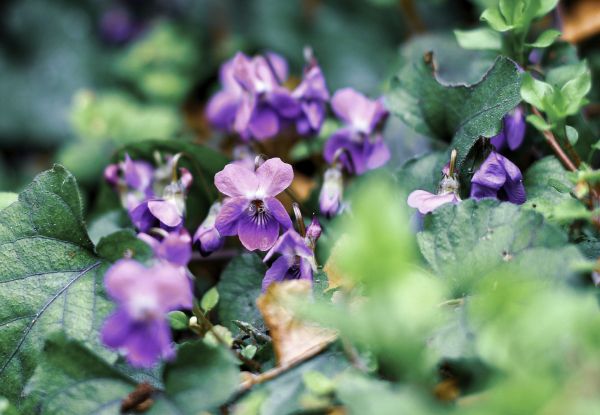
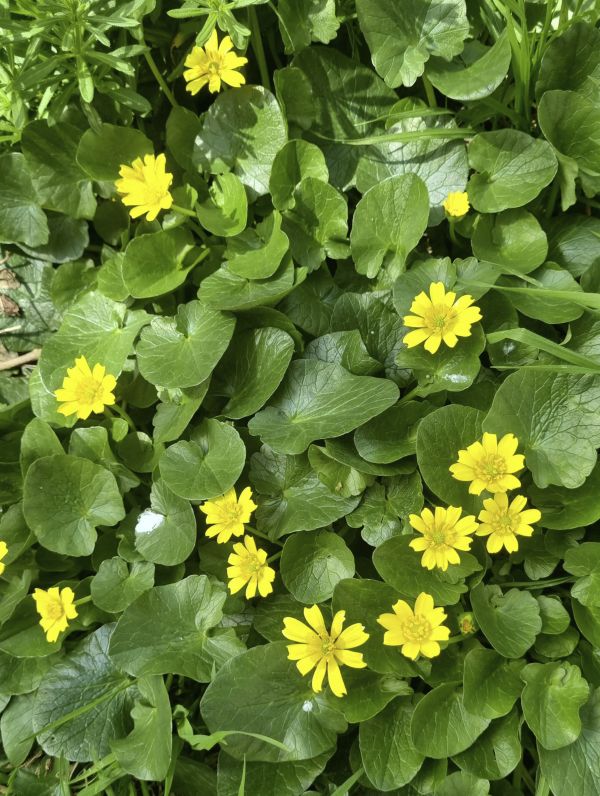
    Spring flowers are already showing on the layers.  Early Dog-violets are dotted up the side banks together with Lesser Celandines. 


    False Oxlip 600

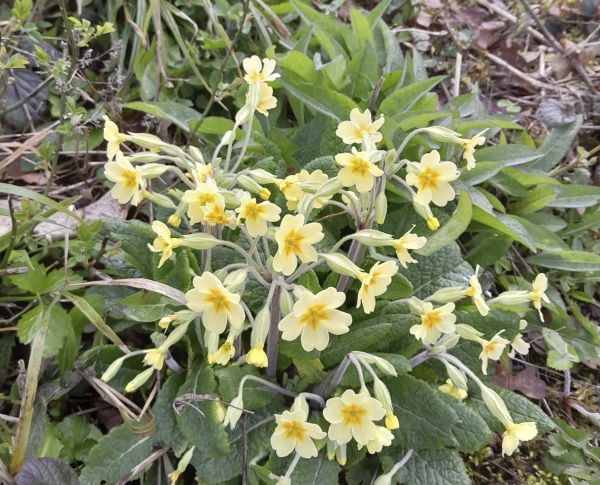
     Around the bench are Primrose and Cowslip hybrids (or False Oxlip) which seem to favour these woods

    But I cannot stop to focus on these for too long as I now have four Wrens singing out from differing parts of the layers and I am listening carefully to distinguish the varying tones of each of their songs.   Birds, like humans, each have their own particular intonation plus their own distinct dialects or accents. A Wren’s song, for instance, must remain identifiable but, having a fairly long and complex song, there is scope within the Wren song to lose or add the occasional note, add emphasis on different notes or use the scale slightly differently.   To complicate matters further, in spring or first thing in the morning when birds are just ‘firing up’, they often only sing part of their song.  A fun example of bird song variation is the Chiff Chaff.  This is a rather small bird with a beautiful, albeit rather simple onomatopoeic song, It sings ‘Chiff Chaff Chiff Chaff’, not leaving much room for variation.  But this is a small bird that likes to make its mark in the woods.  So from time to time you can catch the sound of ‘Chaff Chiff, Chaff Chiff’. 

    Time to head down to the BET cabin.   As the sky lightens, Blackbird chitter chatter song accompanies me down the steps – first one Blackbird and then another sounding as if answering back.  Along the fern path a Nuthatch offers up loudly its particular set of whistles in a song – a sure and happy sign that spring has definitely arrived.

  • Badgers Wood

    Badgers Wood

    Badgers Wood Nature Reserve

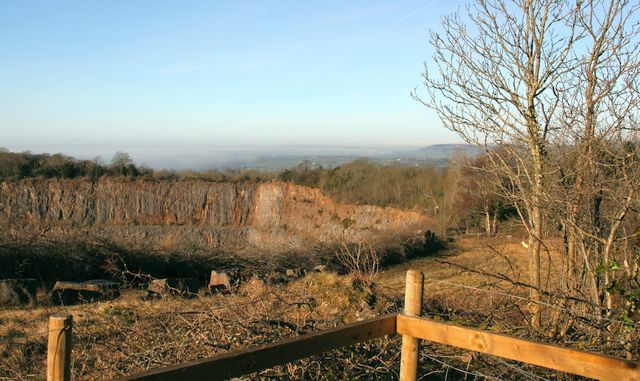
    BW Quarry View smBadgers Wood Nature Reserve was acquired in 2009. The 12-acre reserve climbs almost 100 metres, giving spectacular views over the old Coles Quarry, the Bristol Channel, Exmoor, and the Welsh hills beyond.

    The quarry and surrounding meadows make attractive hunting grounds for birds of prey. Buzzards, kestrels, and even peregrine falcons can often be observed from the top viewpoint.

    Whilst the majority of the trees in the woodland have grown up over the past 50 years or so, there are areas of hidden ancient woodland on the reserve that have been left relatively undisturbed for many centuries.

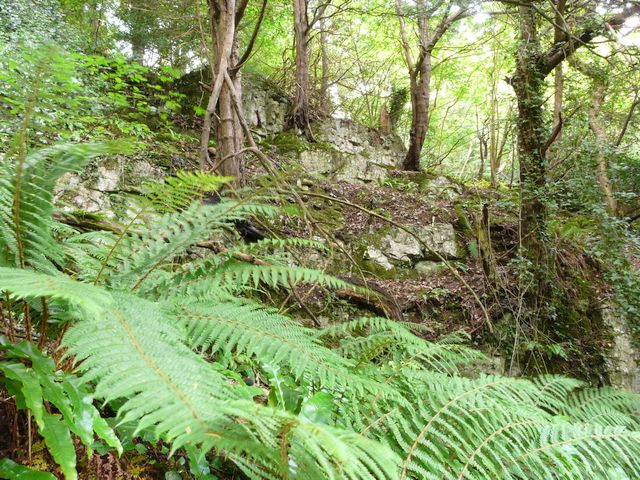
    BW FernsOn the steeply sloping, north-facing hillside where the sun rarely penetrates, thousands of lush-green ferns carpet the ground beneath the moss-covered limestone cliffs.

    A woodland trail (The Fern Way) was completed in 2011 by BET volunteers to lead you through this hidden, magical landscape.

    In 2012, the Community Trail was added, giving easier access to the lower levels.

    BW LayersAt the foot of the public footpath in Badgers Wood is the newly-restored BET “Cabin” (which once housed the neighbour’s Rolls Royce!).

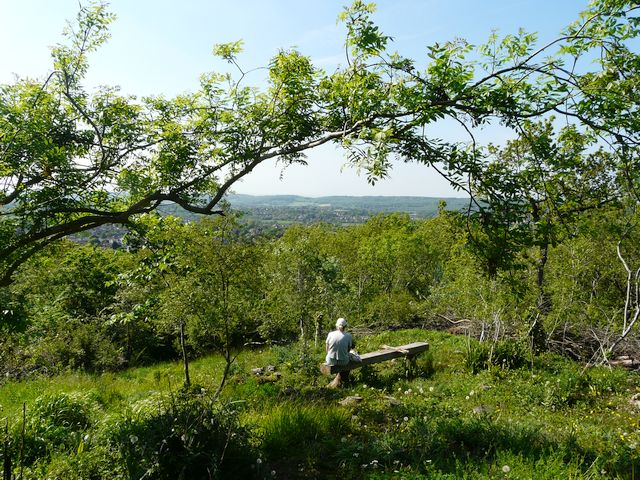
    The clearing on the hillside just above the Cabin is called “The Layers” and is a wonderfully restful, sunny spot with magnificent views.


  • 22th December 2025

    22th December 2025

    Monday 22nd December 9:00 a.m.

    Christmas time at BETland

    The Monday before Christmas is always a grand affair for the BET volunteers as it is our Christmas get-together.  This means that instead of working for 2 hours we get to work for just 1, and then repair to the cabin for an early treat of Christmas music, tea, coffee, mince pies and other Christmas treats.  Ian will light the fire and we will all toast another successful and cheerful volunteer year.

    It just so happens that this particular Monday has dawned beautifully clear and is a reasonably warm 11 degrees.  The skies are blue and the birds are singing in abundance.  Whilst the volunteers scythe and rake the Layers Meadow I can’t resist heading into the woods to see and to listen.

    As I head up the steps next to the Cabin I can hear so much birdsong it takes me a moment to single them out.  High above me in the trees I can hear the cheerful chatter of Jackdaws. To the left and right, darting all over, I can see and hear the distinctive chunter of busy Blue Tits. To my left, hidden from within the bushes and small trees, I can catch the single note chirps of the Redwing. There is a Robin by me singing loudly, a Magpie scolding, two Blackbirds having their usual argument and above all these – louder and prouder – is the wonderful sound of the Song Thrush.Song Thrush 600

    Song Thrushes have been such a source of delight and conversation these last two weeks.   A shy, retiring bird, except when it perches on the top of a tall branch and belts out its melodious song, these birds are generally expected to sing out between spring and summer – the breeding season.  But to our delight Song Thrushes all over North Somerset have been singing in notable numbers these last few weeks.  Surveys are regularly noting 3 to 5 singing Song Thrushes per patch.  They are definitely challenging the Robin this year as the festive songster!

    And on the subject of Thrushes, it is a point of note that nature is having a mast year in 2025.  This happens every few years and means we have a bumper crop of berries, acorns and seeds.  Our long dry summer and wet autumn may very well be part of the cause.  All thrushes, which include Redwing, Blackbirds and Song Thrushes, love winter berries and BETland has had a super crop. 

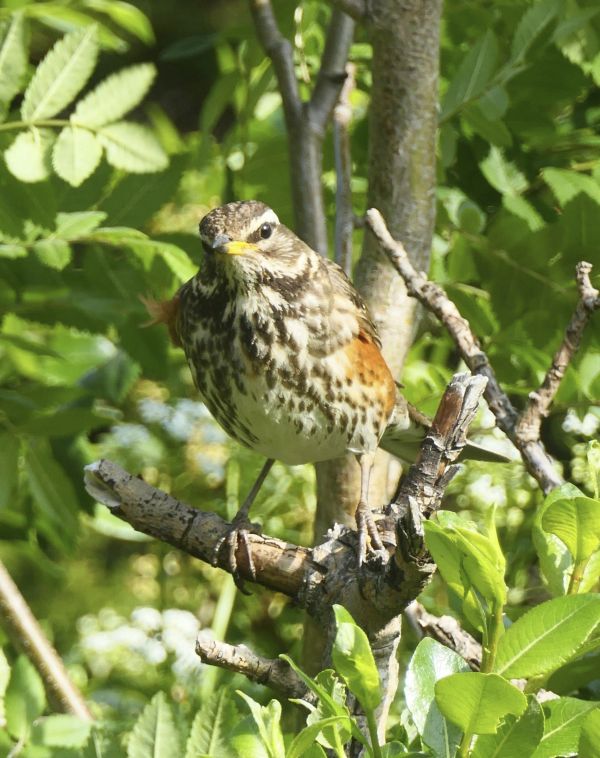
    Redwing 600

    So it is no surprise to find a good number of Redwing in our woods and surrounding fields.  Not in large flocks but smaller gatherings where they sit together or dart around, enjoying the fare and chip, chirping in communication.

    The lure of a cup of tea and a mince pie draws me back to the Cabin but I can’t pass the quarry without pausing for a moment to listen.  The acoustics around the quarry are wonderful on dry, crisp days and sounds from afar are clear.  A squeak from a Robin, more Blackbirds having a lively discussion, some Crows passing over head whilst the Jackdaws enjoy the thermals and finally, as I head off the deep cooing of a Stock Dove. What a lovely way to end my bird check and to head into 2026.  It has been another tough year for wildlife, with more extremes of temperature, but once again they have pulled through to delight us in the months and year ahead.

    Merry Christmas and a Happy New Year!

    Merry Christmas 600

  • 20th Annual General Meeting

    20th Annual General Meeting

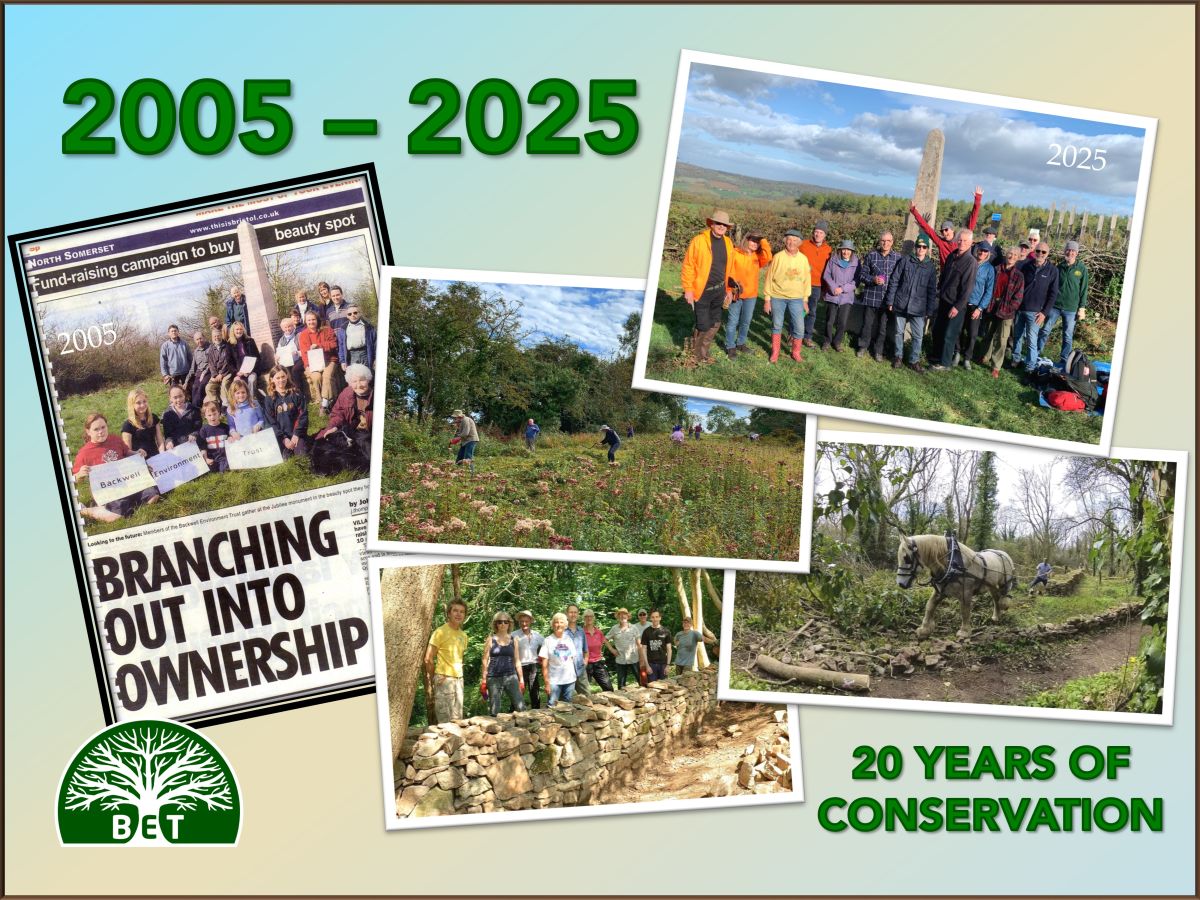
    BET 20 Years 20020th BET AGM – Saturday 8th November

    Join us to look back at highlights from 20 years of conservation on BET’s nature reserves.


    The 20th BET Annual General Meeting will be held in Backwell Parish Hall on Saturday 8th November, starting at 2pm.

    After the formal business, tea and cakes, there will be a presentation looking back at the amazing achievements by our volunteers.  We have been rummaging through photo albums and video footage to revisit some highlights from the past 20 years.

    BET 20 Years 1200

    Everyone is welcome to join us and see how the woodland reserves above the village have been managed and enhanced for all to enjoy.

  • 20th September 2025

    20th September 2025

    Saturday 20th September 8:45 a.m.

    Laybird Summer 2025
    Ladybirds 1 600Heavily laden, we toil up the steps from the BET cabin to the top of Jubilee Stone Wood to continue the early autumn clearance.  It’s the monthly Saturday volunteer workparty and we have a small but committed team who braved the forecast of morning rain. 

    It was surely only a couple of weeks ago that I was praying for rain and, even now after regular deluges, the forecasters are telling us  that the local water table remains below 50%, as the incredibly dry land is just soaking up the rain.   What a summer it has been – unforgettable in many ways we would not have chosen.  The hottest summer on record and the driest and a worrying time for those of us caring about nature and about the animals that depend upon natural resources for food and water. 

    So it is indeed cheering to see how nature has rallied once again.  The wood and the creatures that live there have definitely struggled and have had to adapt – but largely they have survived and it is a joy to see how quickly the wood is already returning to green.

    A typical sign of resilience have been our secretive Badgers.  Badgers, in particular, absolutely love worms and I feared that their preferred diet would be unattainable for weeks in this parched earth.  There were plenty of signs of Badger digging but most looked hopeless and abandoned.  So we were thrilled to spot regular signs of Badger poo and to see clearly that they have subsisted during the hot late summer not on worms alone but largely on a diet of berries.  Fortunately Blackberries were particularly early this year, like a lot of the autumn fruit, not only early but also surprisingly moist and sweet, and the Badgers haven’t missed a trick.  From fresh signs of digging we can also see that they have also been hunting in our many large anthills – not the most satisfying diet but at least the ants are plentiful. 

    We have also encountered deer in the woods from time to time during our summer surveys.  Again they have looked fit and well despite the parched grass.
    Marsh Fritillary 600

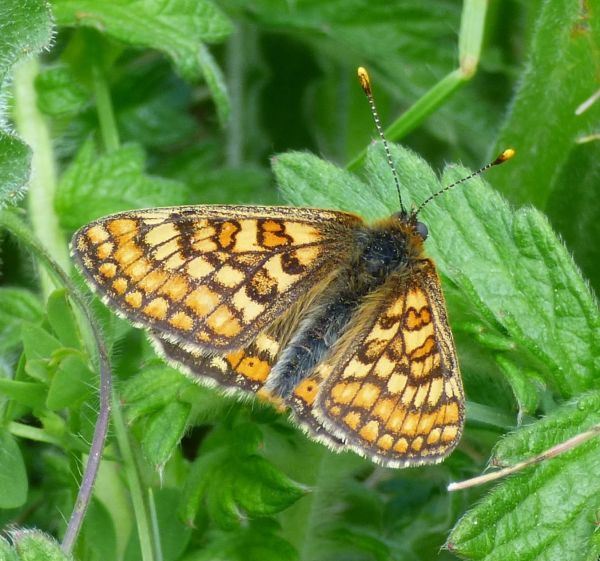
    And some of our butterflies have flourished in the sun.  We have had increases in numbers of Common Blue and Scarce Copper.  Our Silver-washed Fritillaries appeared far more regularly and we had a new butterfly species for the year in the Marsh Fritillary. 

    Only one sighting but we can hope for more.  The dragonflies and damselflies were busy despite the lack of water and we have an amazing crop of acorns (albeit a bit hard due to the lack of water so I’m wondering about squirrel dentistry) and a good crop of crab apples.  The bracken, which has been trying hard for years to over populate our meadows, wilted in the heat and the wild flowers which had dried up in the heat awoke from their suspension and blossomed for a second time late summer helping our bees and butterflies to prepare for winter.  As a result we have had really good numbers of overwintering Red Admirals.

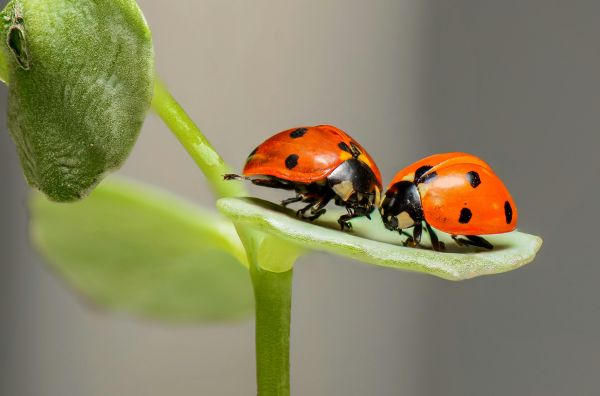
    But I started this blog with Ladybirds in the title, because this summer has been so much about them.  I’ve always been a fan of Ladybirds and often used to wonder why they particularly liked living in the recesses in my windows but, having never seen them in good numbers, I’ve not thought about them a great deal.  This year, however, we have had swarms.  Not just for days but for weeks.  Mostly pleasant and entertaining – very occasionally (especially if you are not a fan) a bit unnerving.
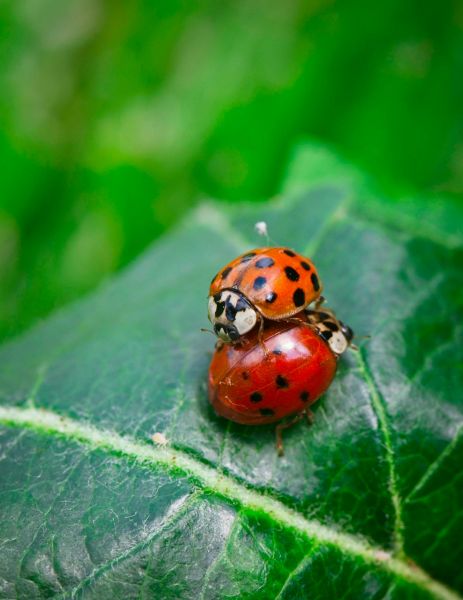
    Ladybirds 2 600So I thought it was time I gave them some thought – starting with why 2025 was a swarm year.  Well apparently it’s a food thing.  The prolonged warm spring and summer led to a massive increase in aphids.  Aphids happen to be the Ladybirds favourite food so they, in turn, quickly completed their lifecycles and enjoyed a mini boom.

    And a few other fun facts about Ladybirds that I didn’t know.  Ladybirds are actually beetles and live for between 1 and 3 years.  In North America they are called Ladybugs (makes more sense) and their collective name is not a swarm but a loveliness.  Because they are eyecatching they protect themselves by being rather unpleasant to taste – but this doesn’t stop them being predated by all sorts of other insects and some less discerning birds.  And finally there are more than 40 species of ladybird in the UK and more than 5000 worldwide!

    So 2025 wasn’t a hopeless summer – just a tough one for many.  If we can ask for anything now it would be a mild and gentle run up to winter so nature has a chance to restock.  I suppose it would be too much to ask for a return to our usual wet, windy and mild summer for 2026?!