Author: PeterBET

  • Dry Stone Walling

    Dry Stone Walling

    Dry Stone Walling – July 2012
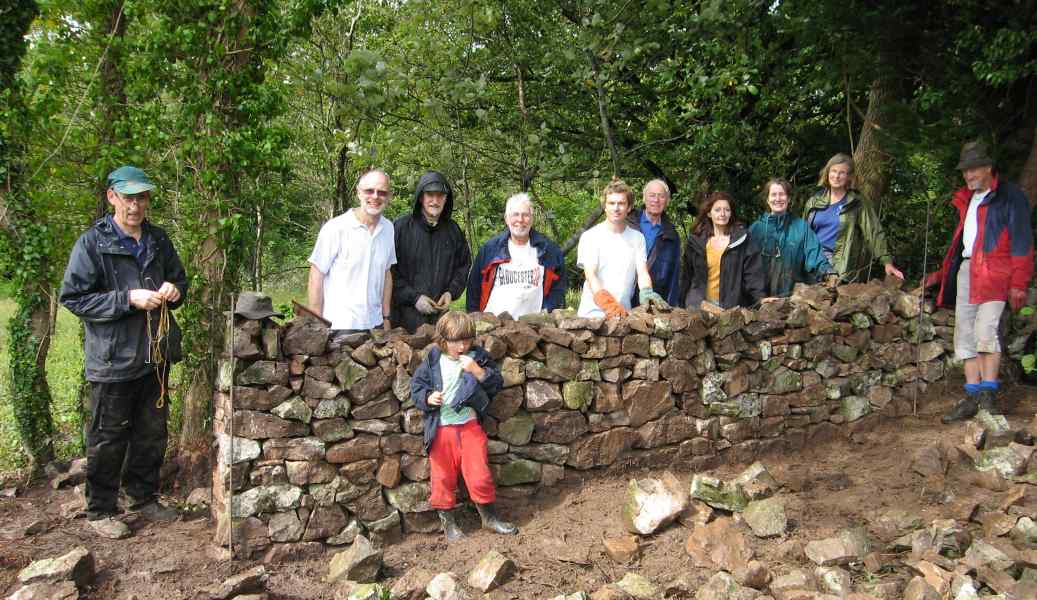
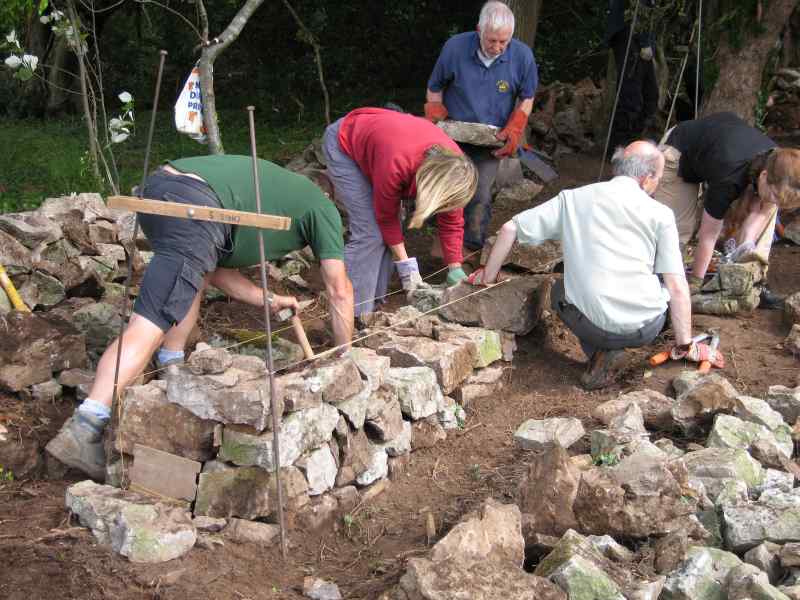
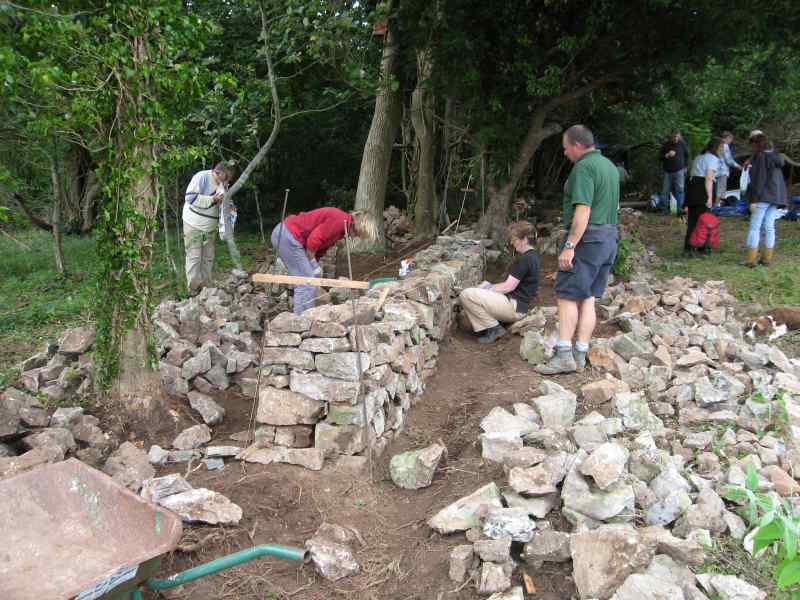
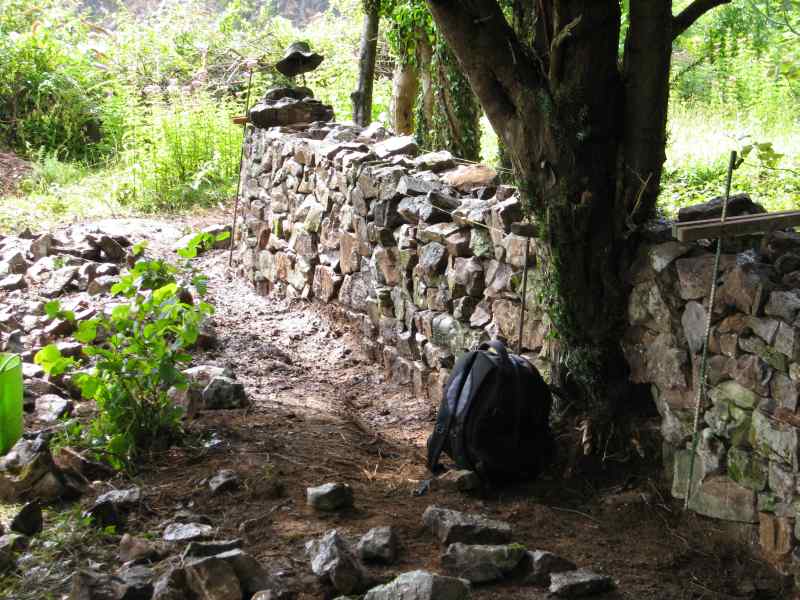
    10. The happy wallersBET hosted an intensive hands-on training day re-building a dry stone wall. With expert assistance from the SWEDSWA the volunteers soon got the hang of the techniques and transformed a collapsed old wall. 

    Following the success of the Hedge Laying course last year, a number of volunteers were eager to have a go at learning some of the skills required for Dry Stone Walling. Chris Stephens from South West England Dry Stone Walling Association (SWEDSWA based in Nailsea) was our tutor for the day. As with so many events this summer, the main question concerned the weather.

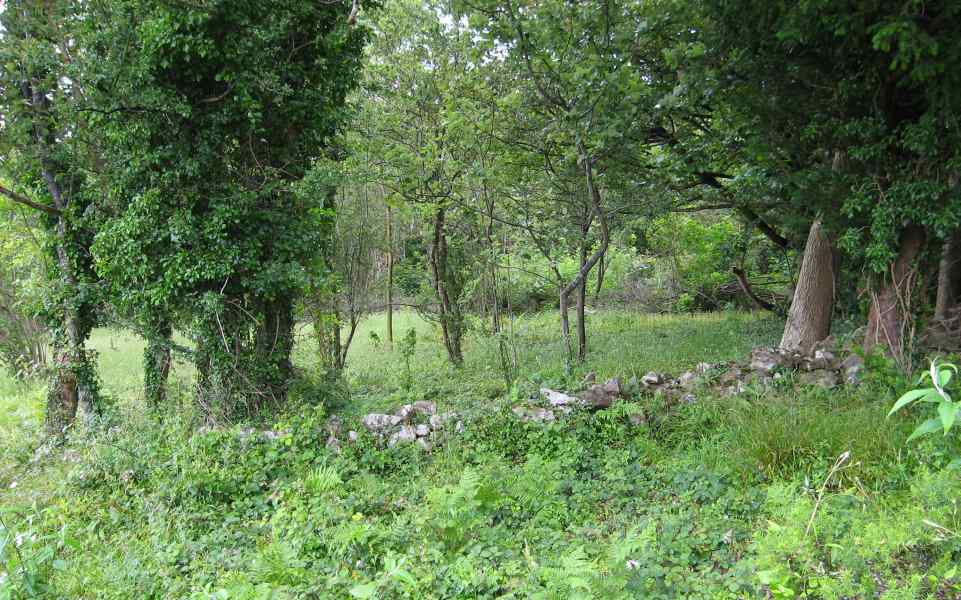
    1) The site selected for the wall did not look too promising

    1. Before and overgrown

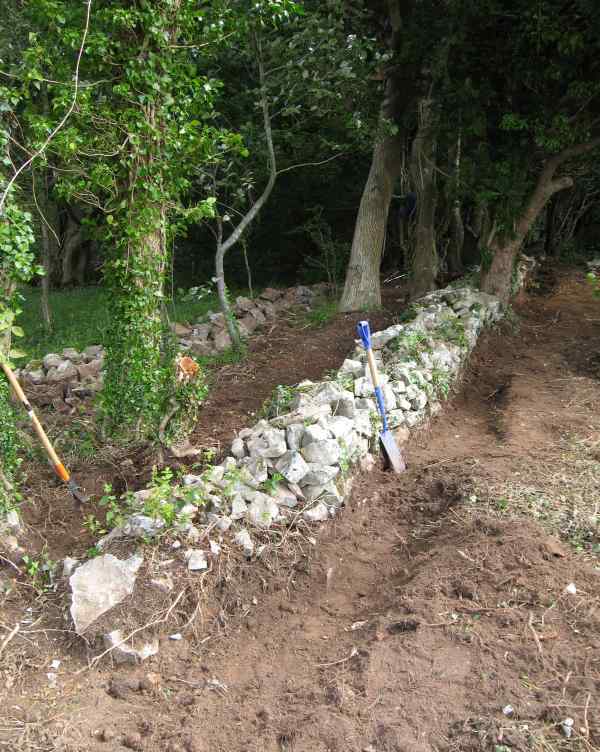
    2) As with many things, the first task was to clear the site 

    2. Cleared ready for the day

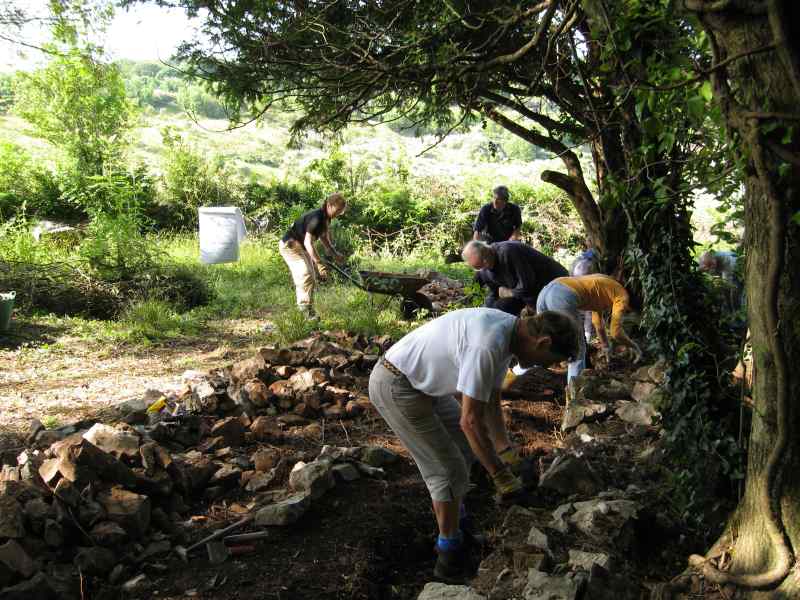
    3) The next stage was dismantling the underway

    3. Dismantling underway

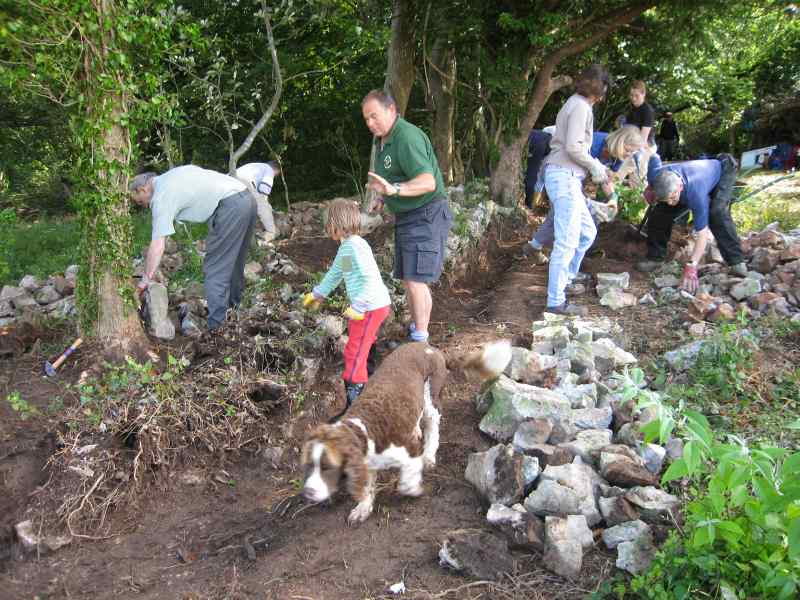
    4) We even got help from Piper who was keen to help!

    4. Piper helping

    5) Finally the site was cleared

    5. All gone

    6) The next stage was starting the re-build.

    6. Starting to rebuild

    7) The wall at the halfway stage.

    7. Halfway up

    8) WOW – the finished article 

    8. Finished - wow

    9) Well done to all the happy band of wall builders – a great day was had by all.

    Chris Stephens commented that the group achieved far more than he expected during the day, reflecting well on the team work of the volunteers and of course, the teacher!!

     10. The happy wallers

    In terms of the weather, despite the thunder rolling around locally the weather was at least dry until late afternoon when the rain set in. For those with good memories – it was later that evening that Nailsea was on national news due to the local flooding!
  • Diamond Jubilee

    Diamond Jubilee

    Diamond Jubilee Celebration – June 2012

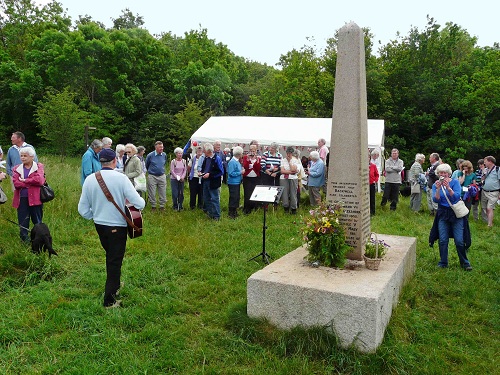
    BET3BET was very pleased to host the Blessing of the Jubilee Stone as part of the Queen’s Jubilee Celebrations. See some of the pictures from the day…

    BET’s Jubilee Celebration

    4th June 2012 

    Working with the Parish Council who organised for the Jubilee Stone to be engraved, BET were pleased to celebrate the Diamond Jubilee by hosting a short Blessing of the Stone by our Rector, Margi Campbell

    Given the poor weather we had over the weekend we were particularly pleased that the rain held off

    BET3 BET5 BET6
    There was a good turnout from the village, young and old ventured up to the Jubilee Stone Nature Reserve in readiness for the Service. The updated inscription on the Jubilee Stone The Rector’s service was befitting for the occasion and added a special sense of purpose to the afternoon. 
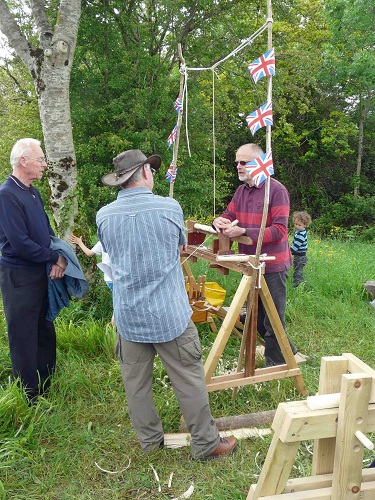
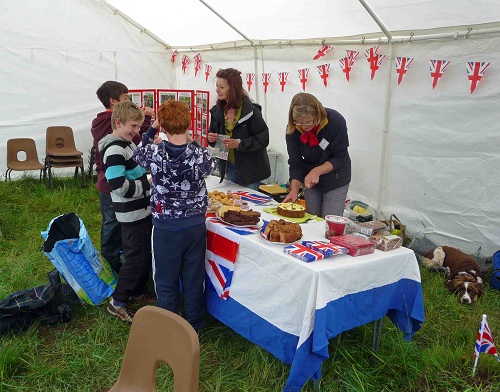
    In addition to formal side to the afternoon, there was an excellent demonstration by Peter Speight on Pole Lathe Turning and an excellent collection of various cakes to accompany the teas & coffees that were made available by the BET Trustess. BET4 The service gave people a moment to reflect on other Backwellian’s who had stood in the same place on previous special days in our past!
    BET7

    A special thank you to everyone for making the day another successful occasion for BET 

  • Hazel Dormice

    Hazel Dormice

    Hazel Dormice

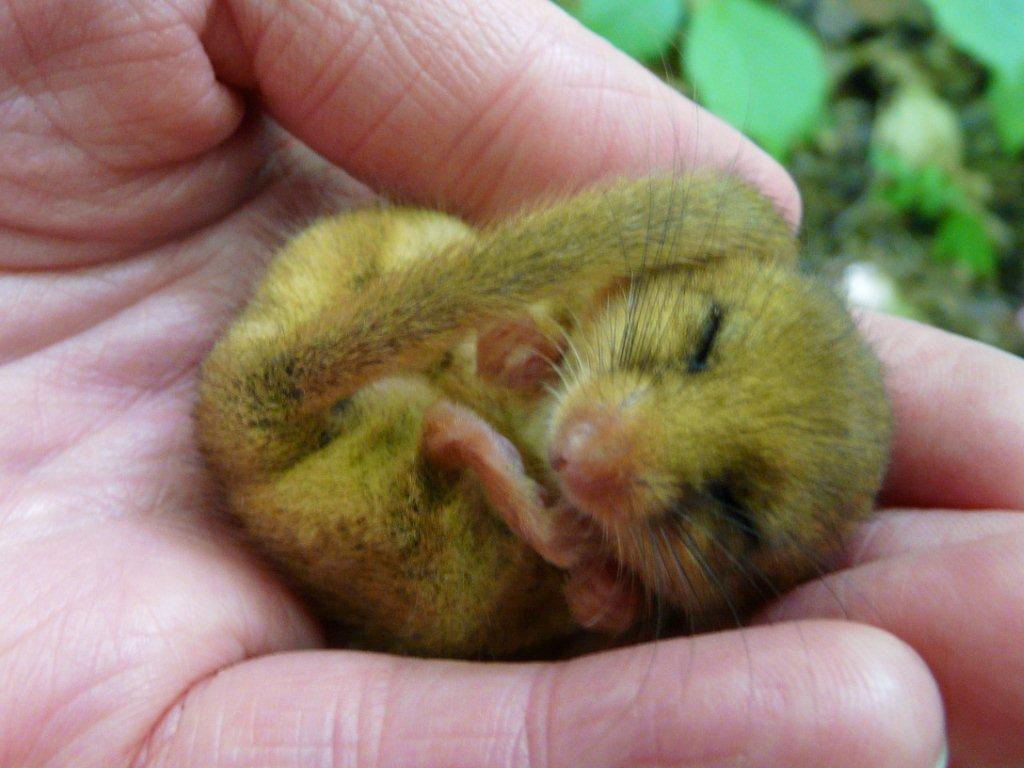
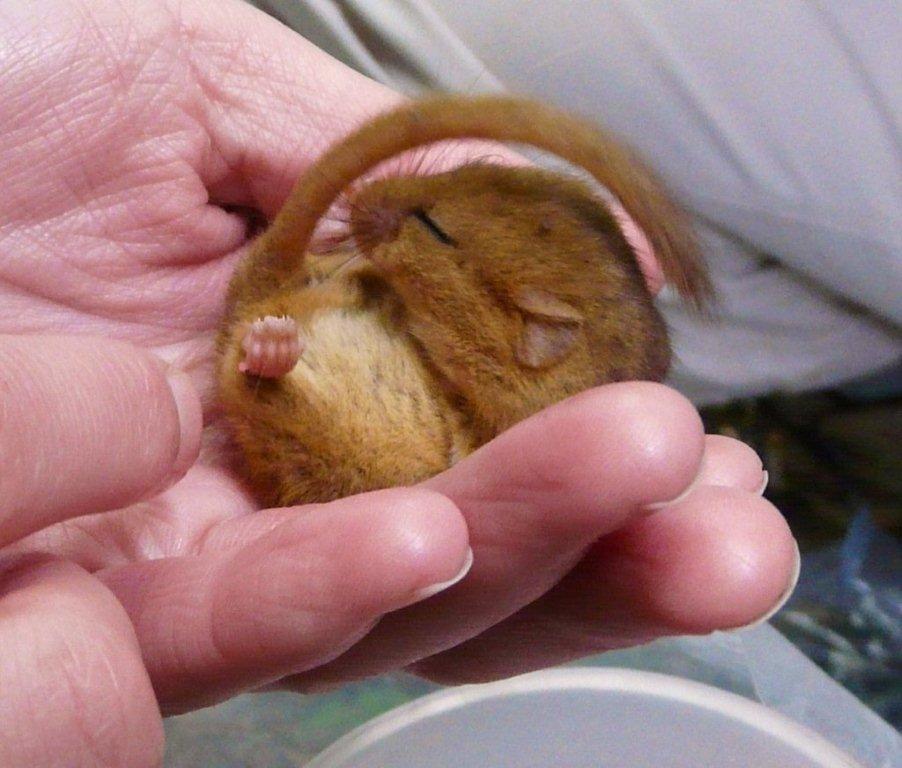
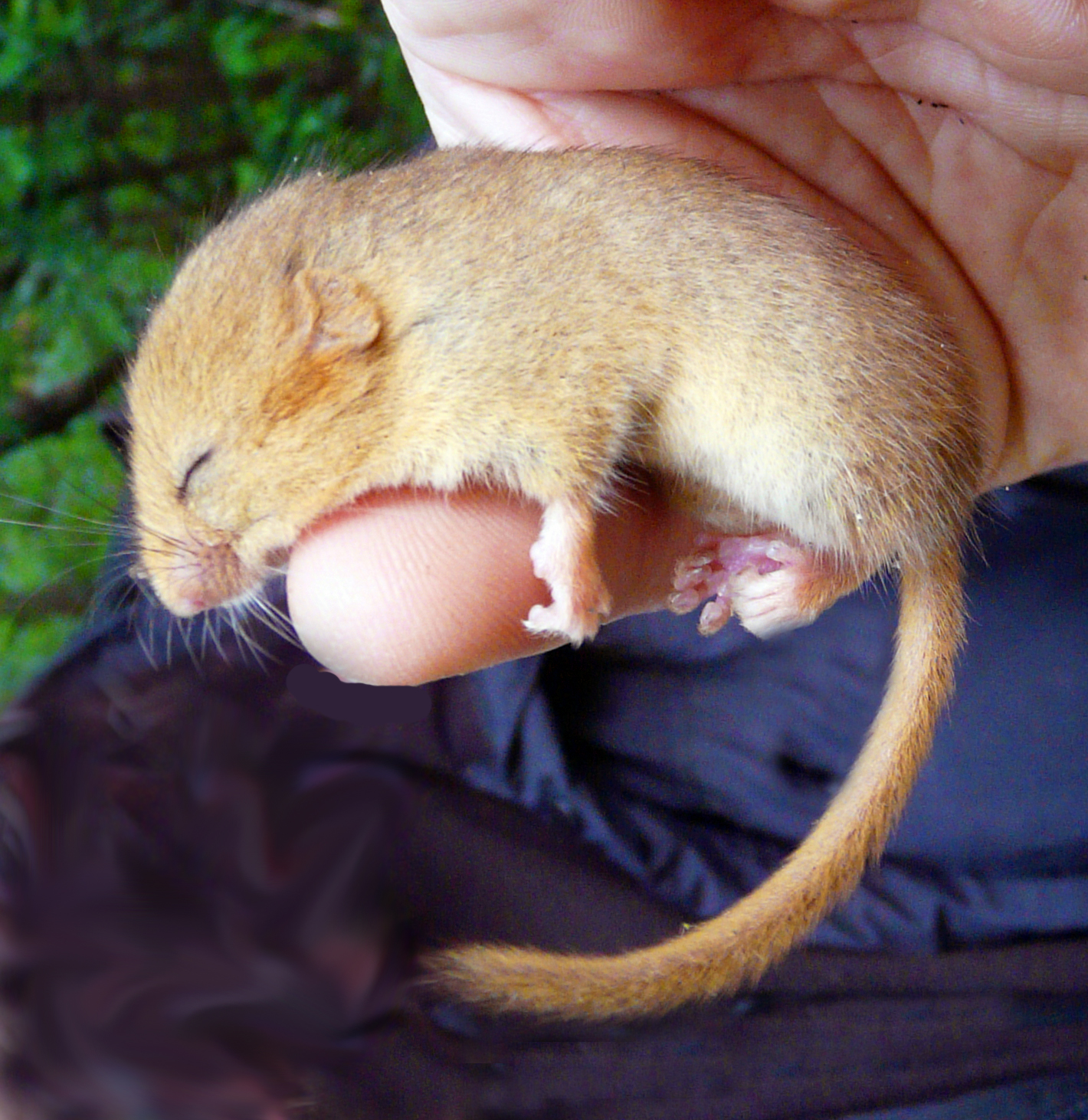
    If there’s one British mammal that truly sums up the word ‘cute’ it has to be the Hazel Dormouse. These elusive, beautiful creatures are rarely seen however, as they are very secretive, nocturnal and spend most of their lives high up in the tree canopy. Their numbers have declined significantly over the last 100 years, mainly due to the decline in woodland coppicing, but now have full legal protection under both UK and European law.

    BET’s nature reserves are home to large numbers of dormice and our volunteers have worked very hard over the past years to make both of our reserves even more dormouse friendly.

    The unusually the high numbers of dormice on BET’s reserves led to us being entered into the UK National Dormouse Monitoring Programme which is all very exciting.

    Under the supervision of an English Nature licenced dormouse handler, we check their nests once a month between spring and autumn and try very hard (usually without much success!) not to be totally enchanted by these beautiful, gentle creatures.

    Dormouse GC

    In 2016 we had our best ever year with a total thirty-two, including recaptures.  Here is Gill Brown’s summary report: “The dormouse season started in April with a torpid female which was snoring audibly, something I had never heard before. It was an encouraging start to the year because in 2015, numbers were worryingly low. We found eight in May, which is the largest number we have ever recorded that early, and eight in June (probably not all the same animals but it is hard to tell as I am not licensed to mark them).

    “In July we found four, including a female that was clearly pregnant. We hoped to see the babies in August but for some reason we didn’t find any dormice at all that month. In September we found four adults, including a female with seven young, which is a very big litter; they usually have four or five.”

    Our Dormice are Winners!

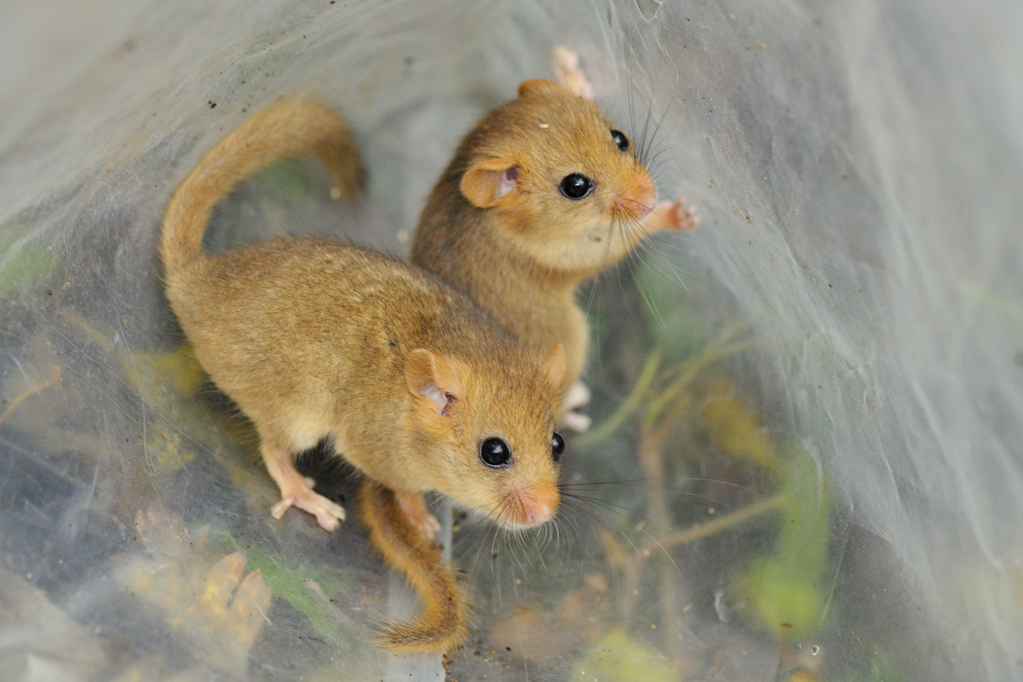
    Former filmmaker Nick Upton, from Kingsdown near Box, was recognised by the 2014 British Wildlife Photography Awards for his collection of photographs of BET’s dormice.

    Youngdormouseduo1558

    “Taking the photos was a lot of fun and a great privilege as Hazel dormice are really endearing little creatures with huge eyes and fluffy tails who really live up to their sleepy reputation, and I’d never seem them before – but that’s true of almost everyone in the UK. They’re very shy and only come out of their woodland nests at night, and they’re far less common than they used to be.

    “To get the shots, I followed Gill Brown and Ian Chambers of Backwell Environment Trust on some of the regular Dormouse surveys they do in the coppiced woodland, checking special nestboxes with entrance holes up against trees, and then snapping away when they found some dozing Dormice inside. Some didn’t even wake up as they were handled, but my favourite shot was of two beady-eyed youngsters peering up at me before they were weighed and put back in their nest box”.

  • The Fern Way – 2011

    The Fern Way – 2011

    The Fern Way

    During 2011, the various working parties put in considerable hours on the reserves. This new path in Badgers Wood is a fine example of what volunteers can achieve with a little instruction.

    Enjoy discovering this atmospheric path through the woodland.

    The Fern Way

    The footpaths and trails on BET’s nature reserves, high up on Backwell Hill, can give you a great sense of space and openness with fantastic views and wide expanses of sky all around you. However, there is another side to the reserves which, until now, was completely inaccessible to all but the most intrepid visitor.

    CliffBW2
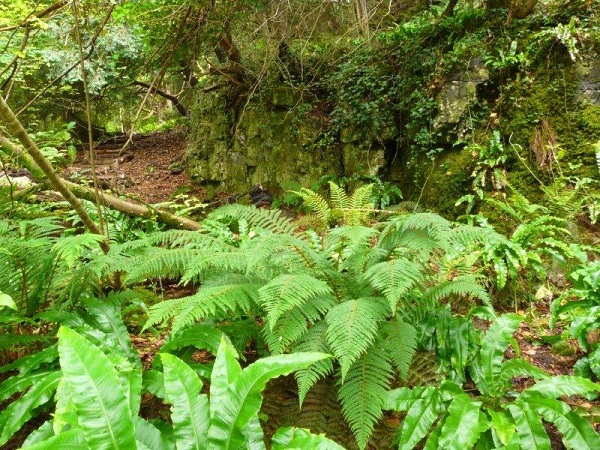
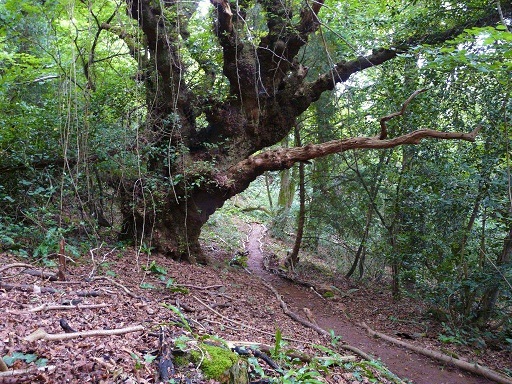
    Badgers Wood has a hidden, magical woodland world just waiting to be discovered which you can do on our 500 metre long trail created in 2011. The trail starts close to the public footpath off Church Town and winds its way through stunning broadleaf woodland, gently gaining height to emerge at two locations in a small valley path opposite the bridleway in Jubilee Stone Wood. It also has the advantage of creating a circular walk as well as bypassing the steep steps down from the upper parts of the reserve. Along the way you’ll pass large yew trees apparently growing on the top of huge boulders, our newly restored pond, literally thousands of intensely green ferns, dramatic exposed limestone cliff faces and veteran oak and yew trees to name just a few of the many highlights.
    veteranoak

    Directions

    Enter Badgers Wood from the lower, ChurchTown, entrance. Walk up the public footpath for 20 metres and you will see the BET ‘cabin’ in front of you. Take the minor path off to the left in front of it. You will pass the new steps to The Layers meadow after 10 metres and as the path starts to descend, the new woodland trail is on your right, initially lined with stones.

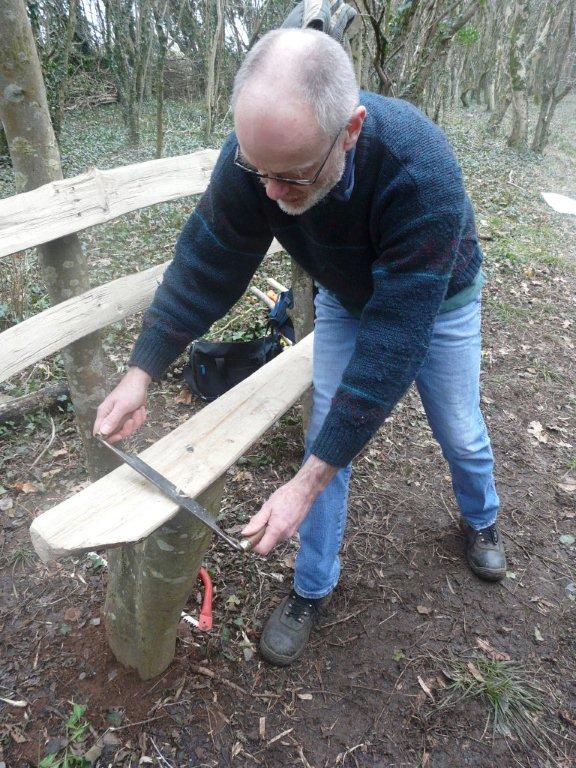
     Look out for the seat made by Peter Speight 

    peterspeight

  • Hedgelaying

    Hedgelaying

    Hedgelaying – February 2011

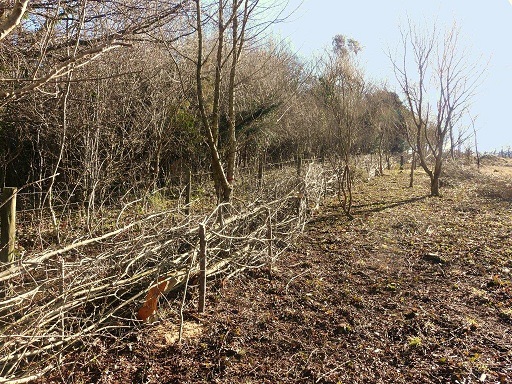
    hedge1In early 2011 an impressive number of volunteers learnt some traditional skills from Malcolm Dowling. Read this article before visiting the Badgers Wood reserve to see the changes three years on.

    Hedgelaying Training Day

    BET were very fortunate to secure the services of the local award winning hedge laying expert, Malcolm Dowling, who was our trainer for the day.

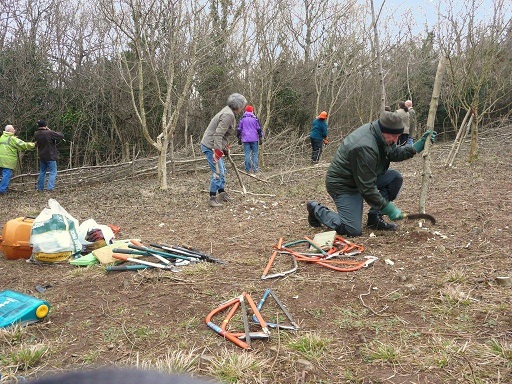
    Learning the ancient art of hedge laying has become increasingly popular in recent years and so we were really thrilled (if not a little suprised!) to have 47 willing volunteers turn up for our free training day in Badgers Wood. After quickly learning the basic skills, the ‘students’ were soon laying the 100 metre long hedge line with amazing skill and dexterity. 

    hedge3

    Naturally enough, with all those willing hands, the hedge was laid in double-quick time.

    hedge1

    Our trainer was however incredibly impressed with the high standard of workmanship that had been achieved whilst the day was finally rounded off with a lively question & answer session.

    Many of our volunteers had hedges of their own that they were wishing to lay, so hopefully the new skills they have learnt through BET will give them the confidence to keep alive this ancient country craft in North Somerset.

    For more information click on the following link :

    National Hedgelaying Society 

  • Local Charcoal Production

    Local Charcoal Production

    Charcoal Production – August 2008

    charcoal

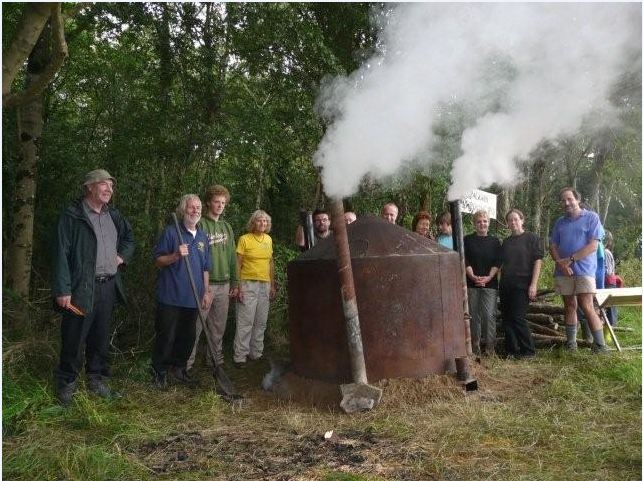
    The traditional craft of charcoal burning comes to Backwell.

    BET has been using sensitive woodland management techniques on its nature reserves to increase the biodiversity of the woodland. One consequence of this is that we had a fair amount of cut wood from the numerous coppicing projects we have undertaken.

    So in August 2008, we were fortunate to link up with a local charcoal producer, Alex Arthur, who spent a weekend sharing his knowledge with volunteers to produce ‘BET Charcoal’.

    We managed to produce around 35 bags of top quality charcoal which went on sale in Backwell Post Office. Hopefully we can repeat this event again, keeping alive an old, traditional woodland craft in the historic hills above Backwell.

     charcoal
  • Amphibians and Reptiles

    Amphibians and Reptiles

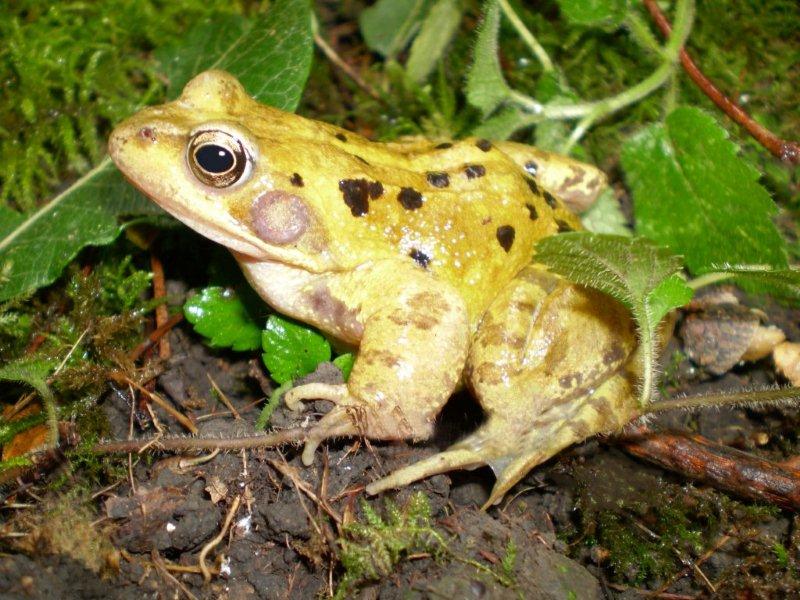
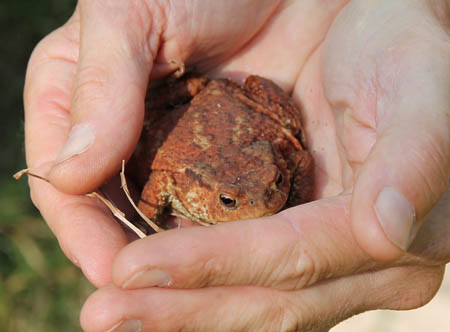
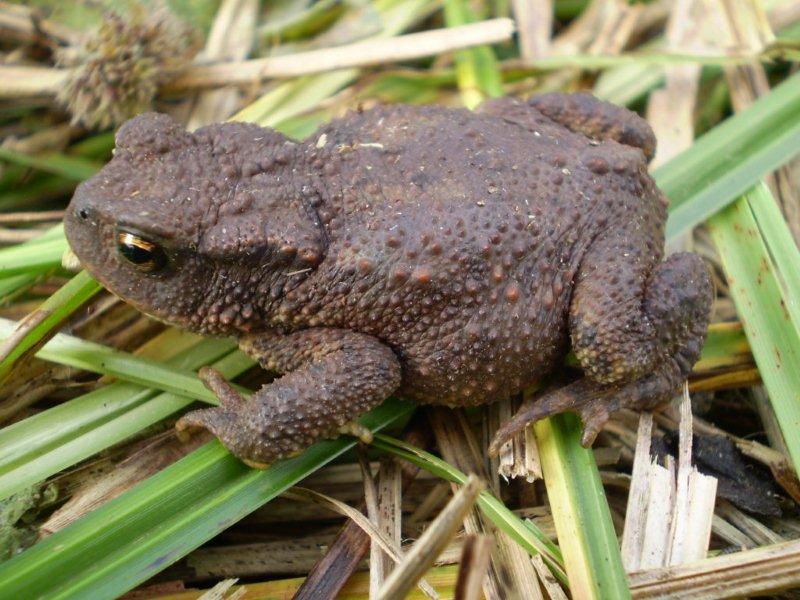
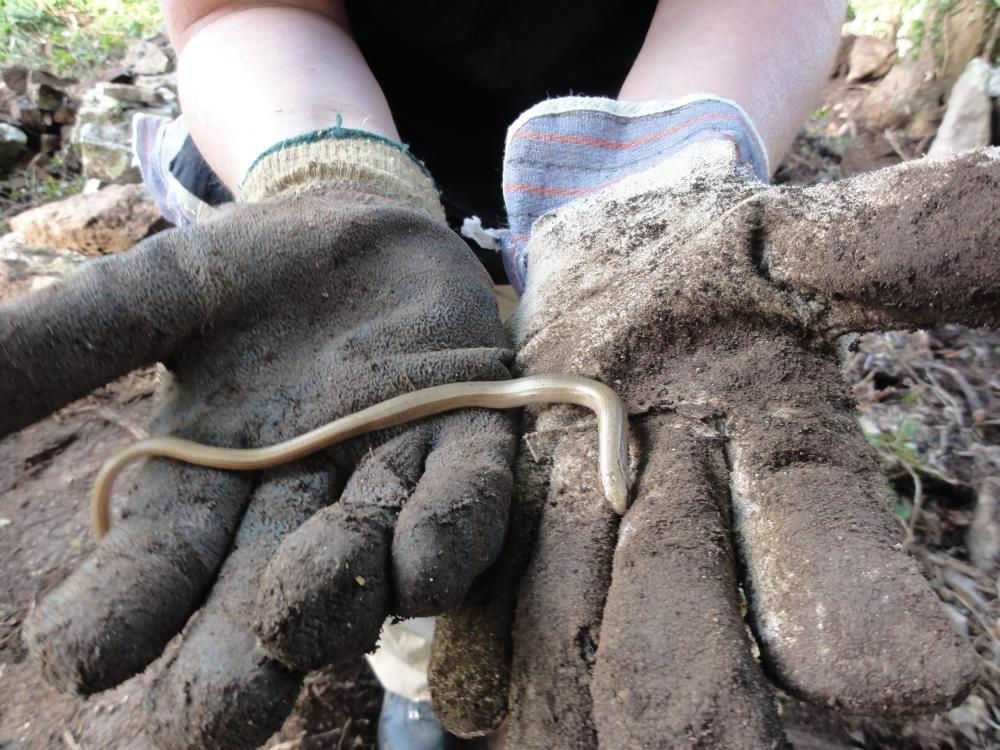
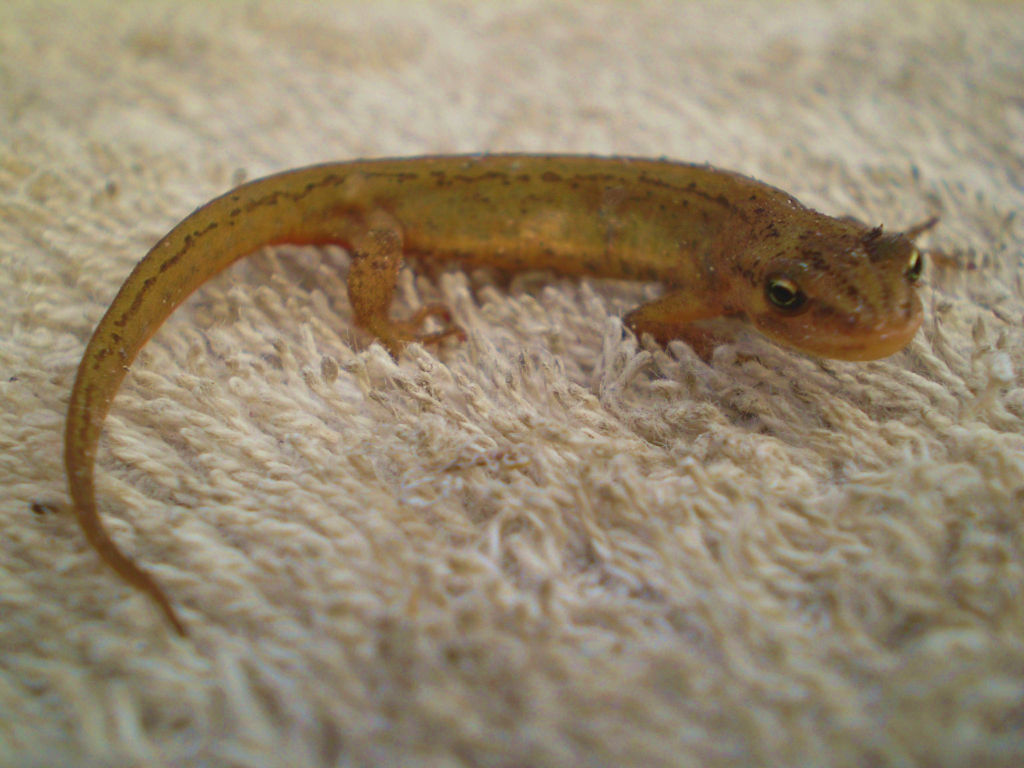
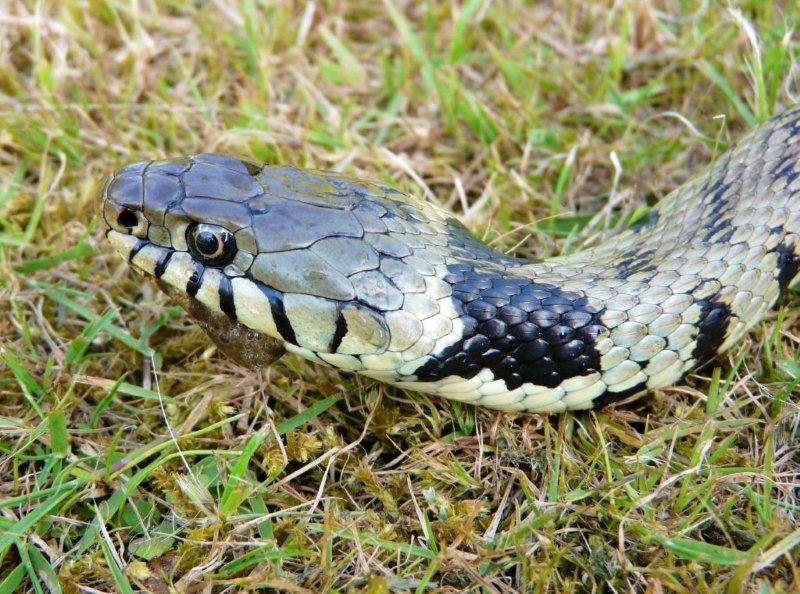
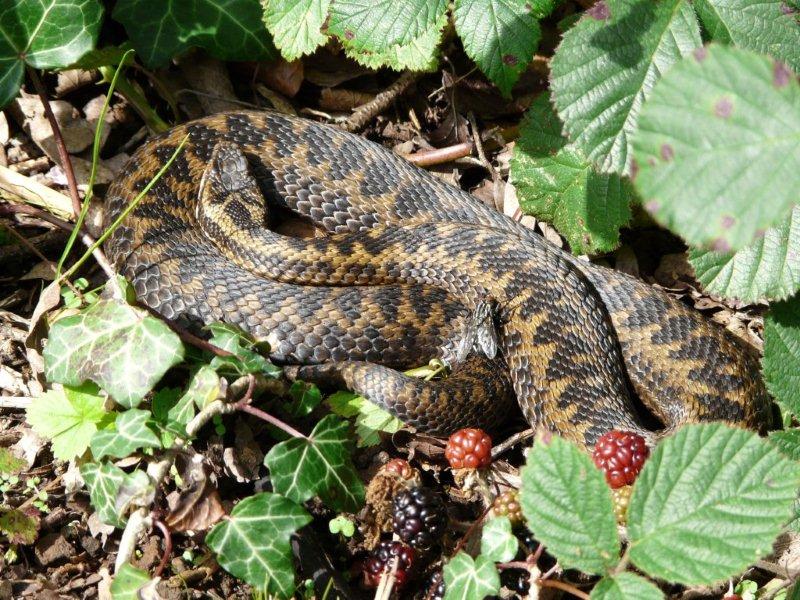
    Frogs are one of several groups of friends waiting to be discovered.

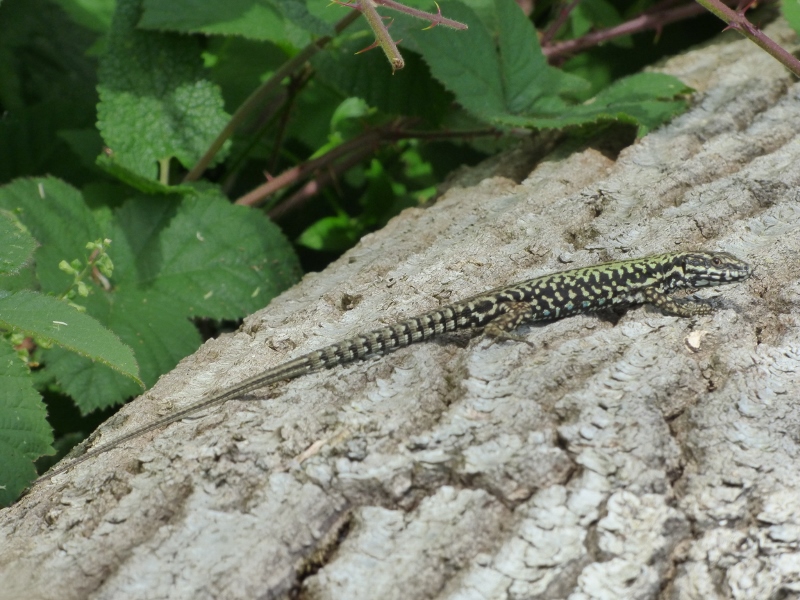
    Our most recent discovery is the rare Wall Lizard which can often be seen basking on a seat in Badgers Wood.

  • Fungi

    Fungi

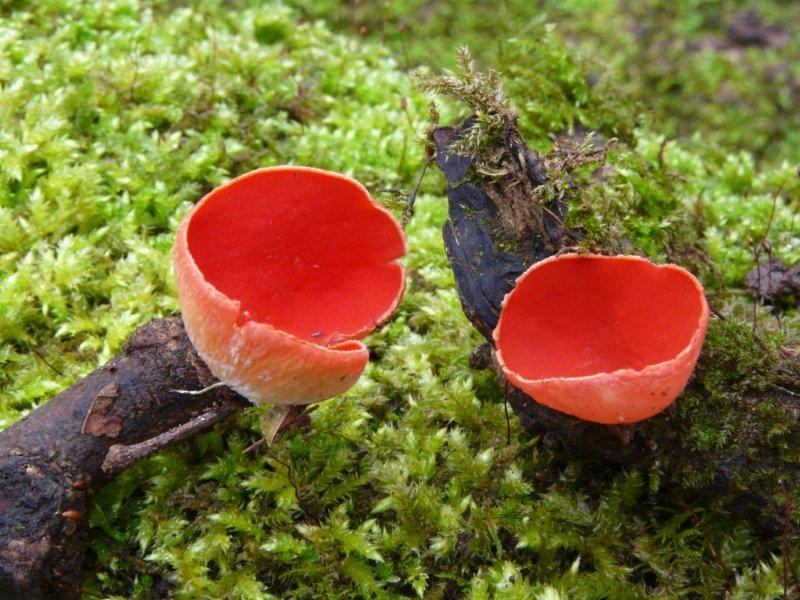
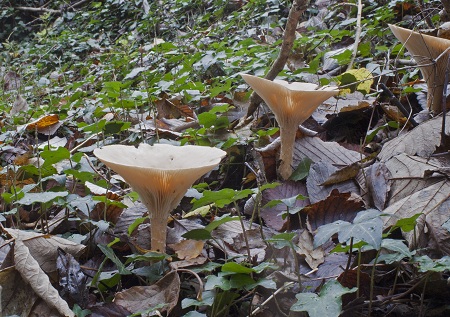
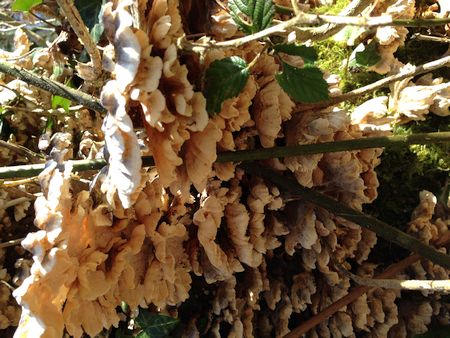
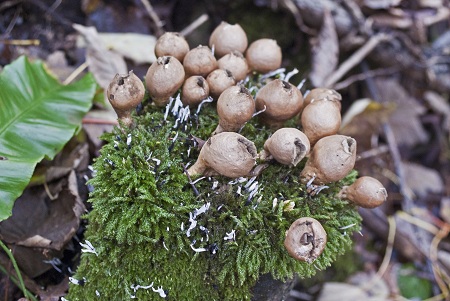
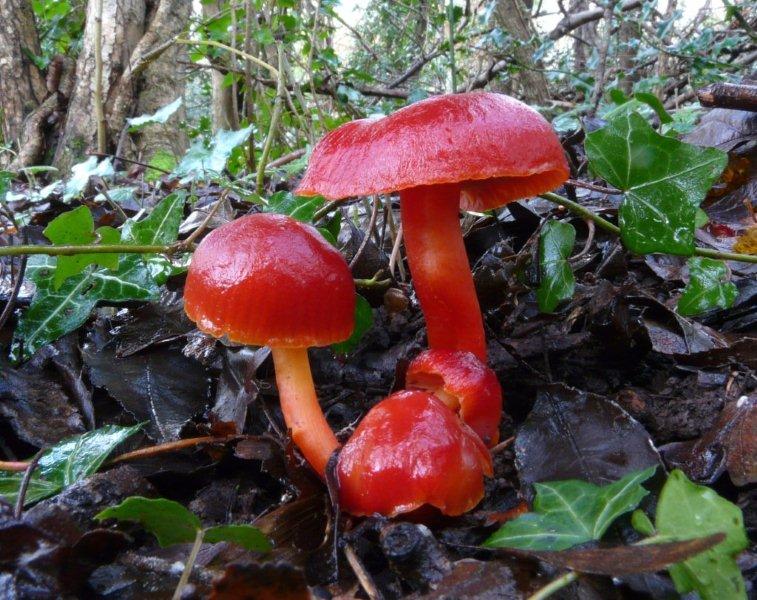
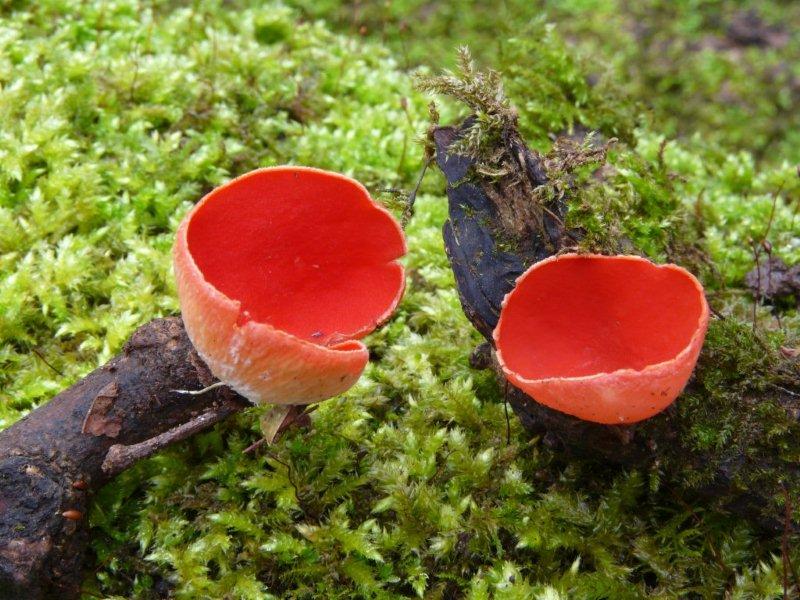
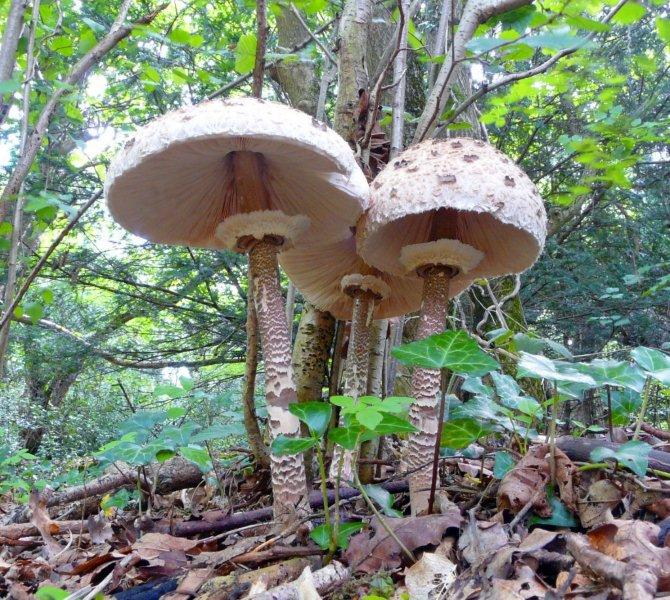
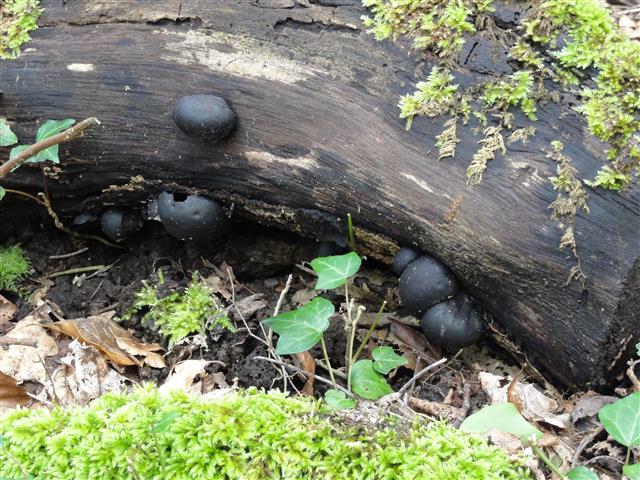
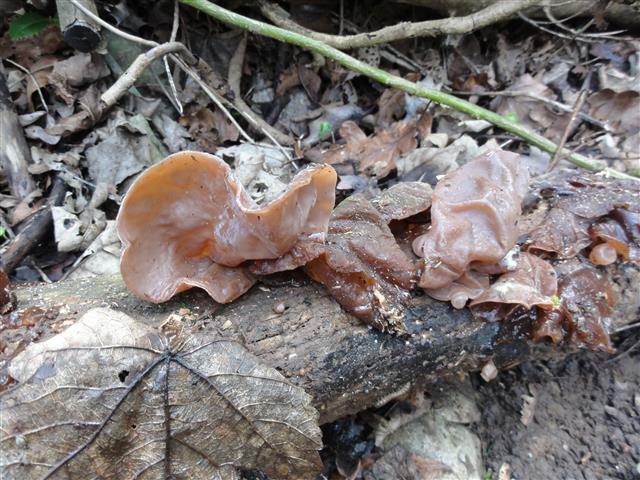
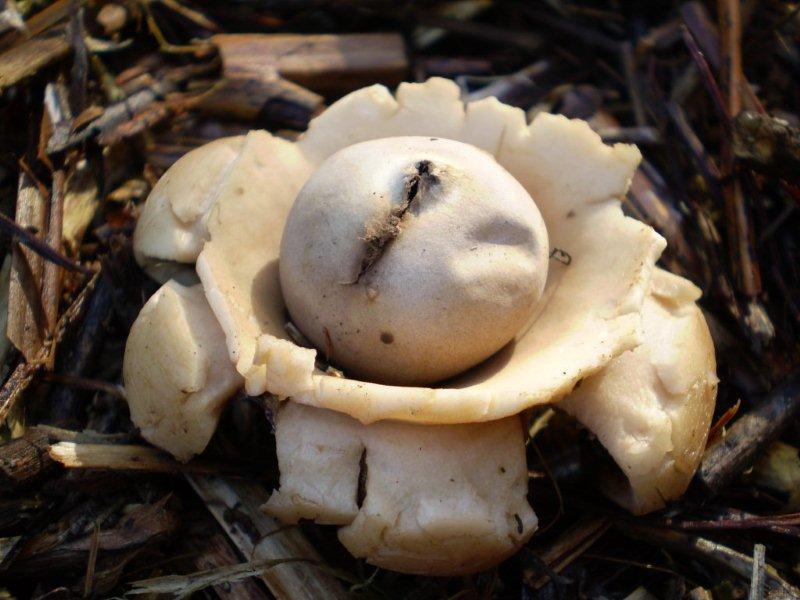
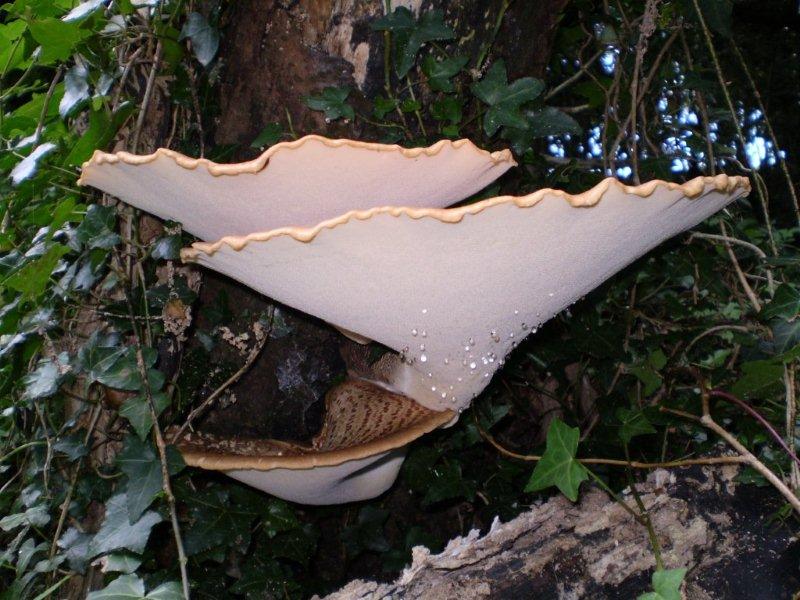
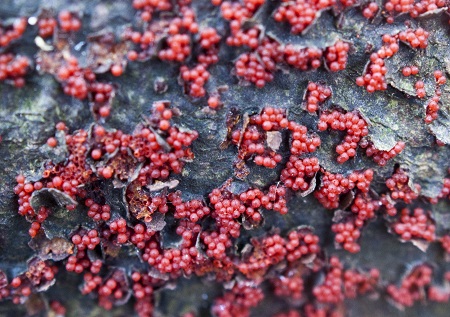
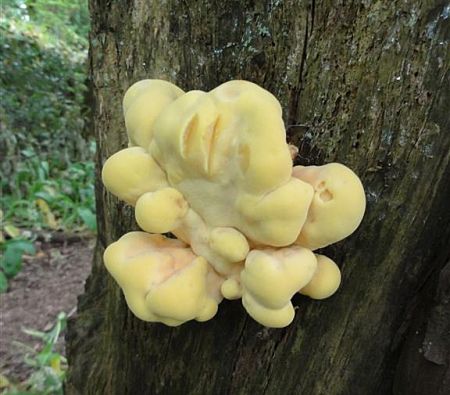
    There are thousands of varieties of Fungi to be found in the UK and our nature reserves are home to many strange and colourful varieties.

    Here is a gallery of a few spectacular varieties:

    You can find out more about fungi on the great website run by the North Somerset and Bristol Fungus Group


  • Trees

    Trees

    veteranoak

    Trees

    Our woodlands mainly consist of ash, hawthorn, oak, hazel and whitebeam but, if you look closely, you will discover there are three very distinct types of woodland to be explored on our nature reserves:

    • Young woodland, less than 50 years old, growing on what was once was ancient pasture land located on the higher elevations of both reserves
    • Semi-natural broadleaf woodland located in the lower portion of Jubilee Stone Wood which is full of bluebells in spring
    • Ancient woodland on the north facing slopes of Badgers Wood containing a myriad of ferns thriving in the shaded, damp environment. 

    Click on a photo below to scroll though a gallery of some of the wonderful trees on the reserves:

    {gallery}Nature_and_Wildlife/Trees{/gallery}

    Read more about:


  • Birds

    Birds

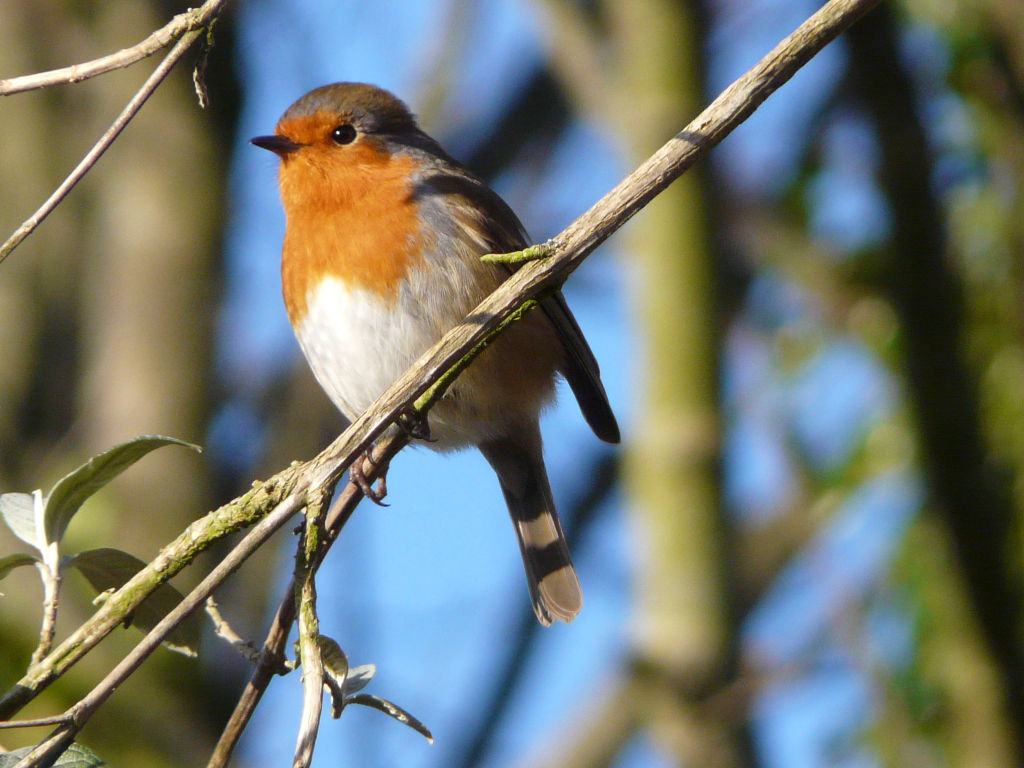
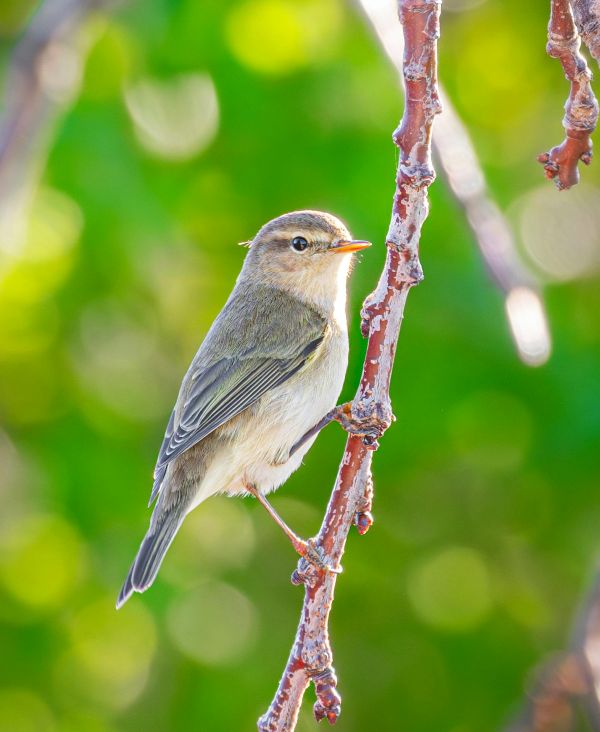
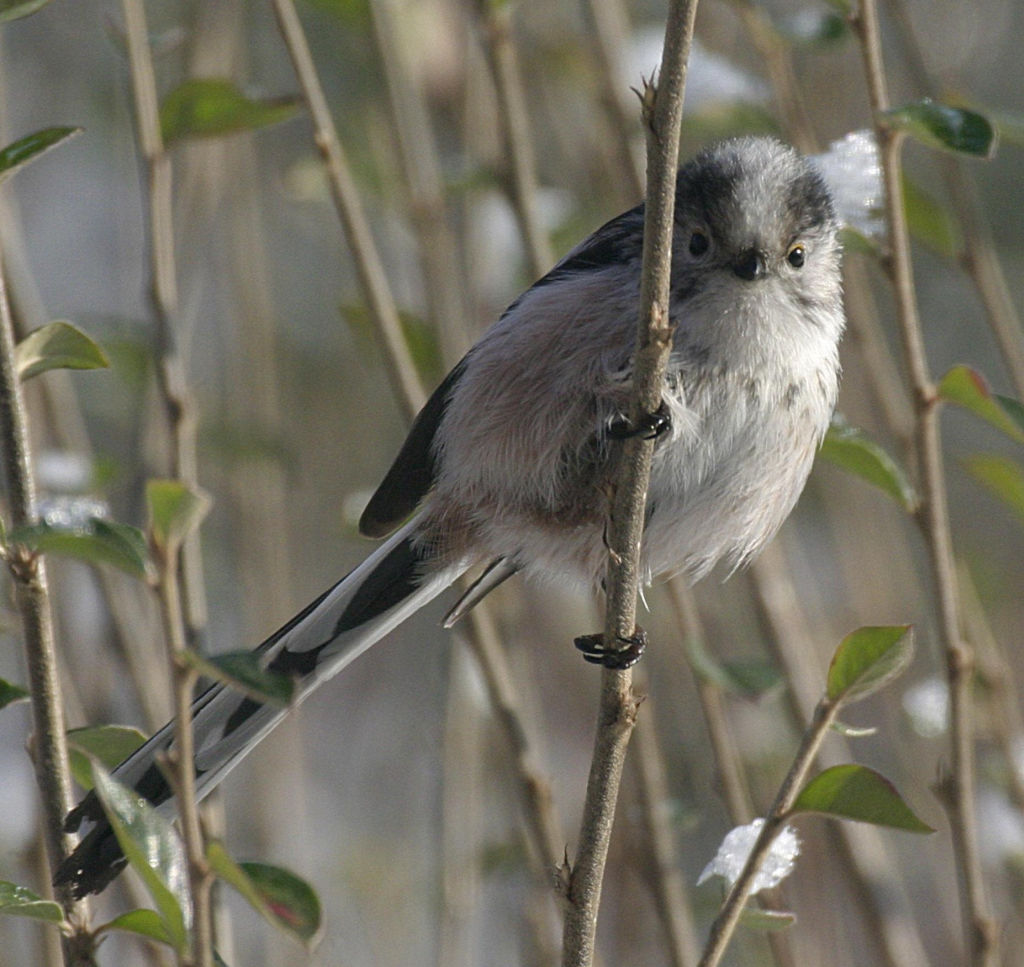
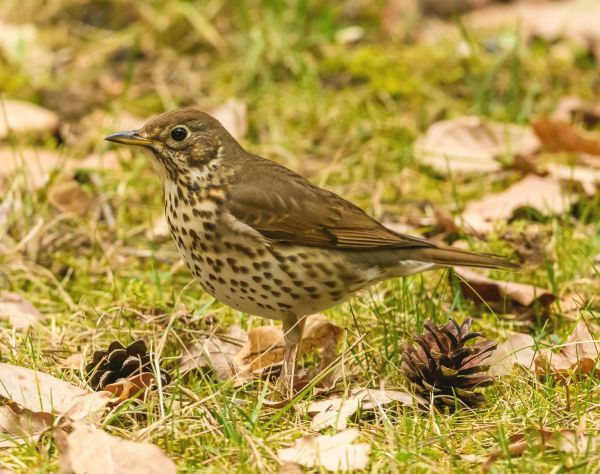
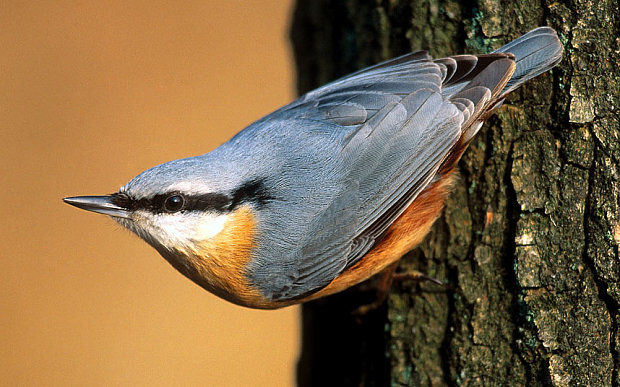
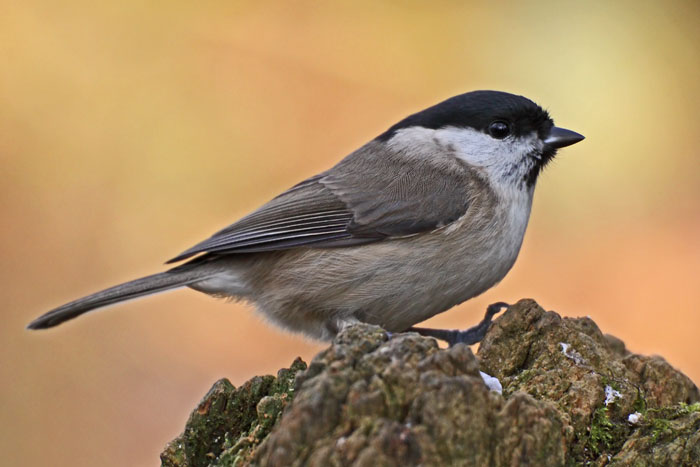
    The nature reserves contain nearly 50 species of bird, many of which nest in the boxes we have put up throughout the woodlands. You can read about some nest box surveys in the articles below.

    Find out more about the birds on the reserves in the fascinating blog written by Viv – BET member and keen bird watcher: Viv’s Blog

    Read more about:

    Peregrine

    Peregrine quarry

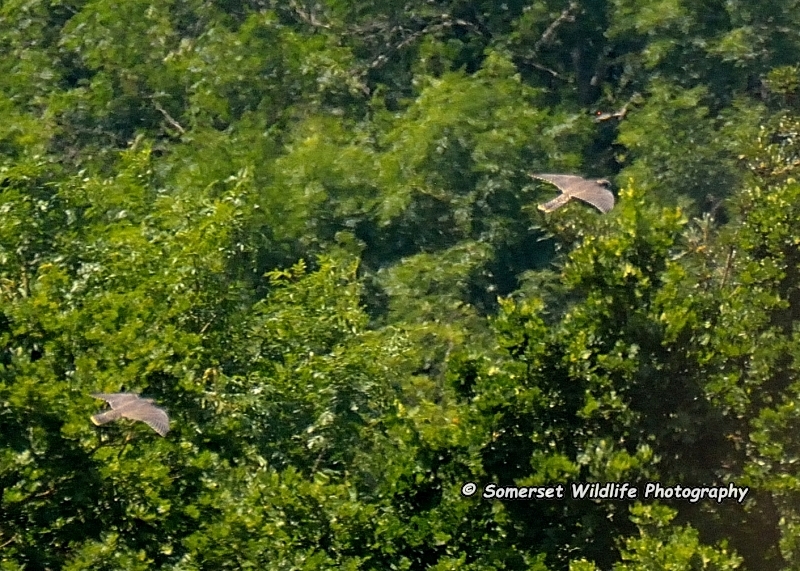
    Peregrines can be seen and heard flying over the BET reserves and nest in the adjacent quarry.

    Peregrines are renowned for their speed, being able to dive or ‘stoop’ at over 200 miles an hour, making them the fastest-flying birds in the world! Their wing span is 74-120 cm. The females are at least 30% bigger and heavier than the male or ‘tiercel’. Males weigh up to 1,000g and the females up to 1,500g.

    Juvenile peregrines can be identified by the cream band on the tail end, brownish rather than grey plumage on the back, paler feet and the beige chest instead of the white of an adult. With a really good view, the indistinct moustachial stripe will also be visible. They can be quite vocal!  They will stay around this area to the end of July – honing their flying and hunting skills. They are very vulnerable in their first year, with average mortality rates 59–70%.

    Watch this impressive short video about the peregrine from Cornell Lab: https://www.youtube.com/watch?v=QK-xuFLg8hE

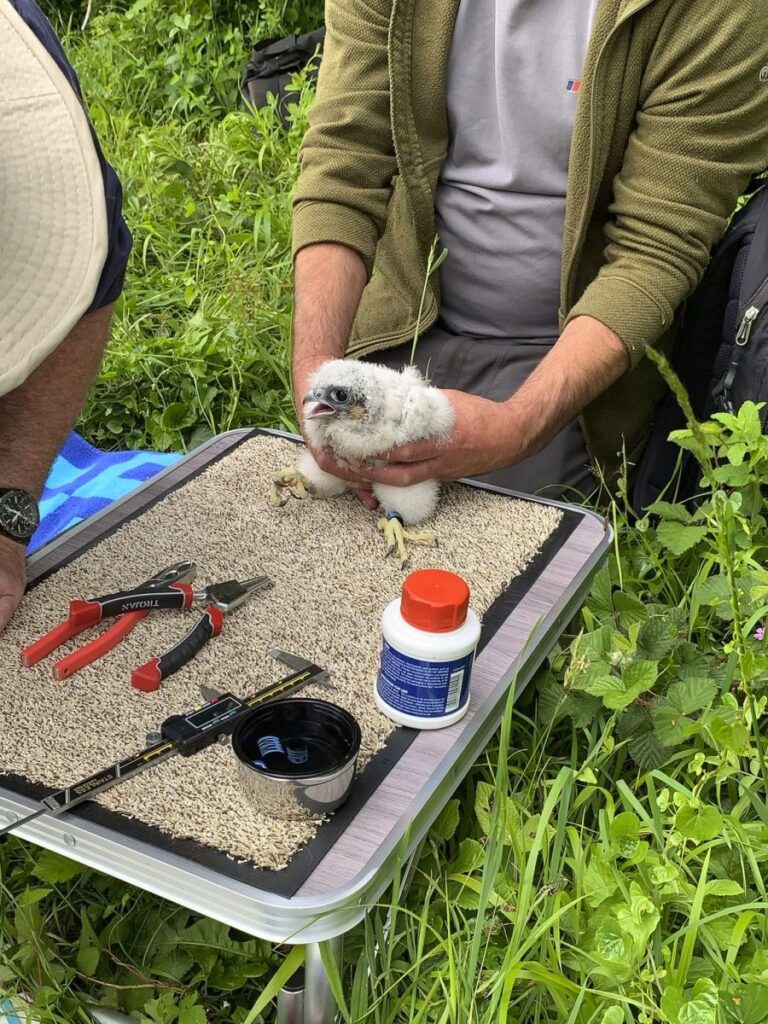
    In 2021, our peregrine chicks were ringed by members of the BTO. You can read the story in the Autumn 2021 BET Bulletin.