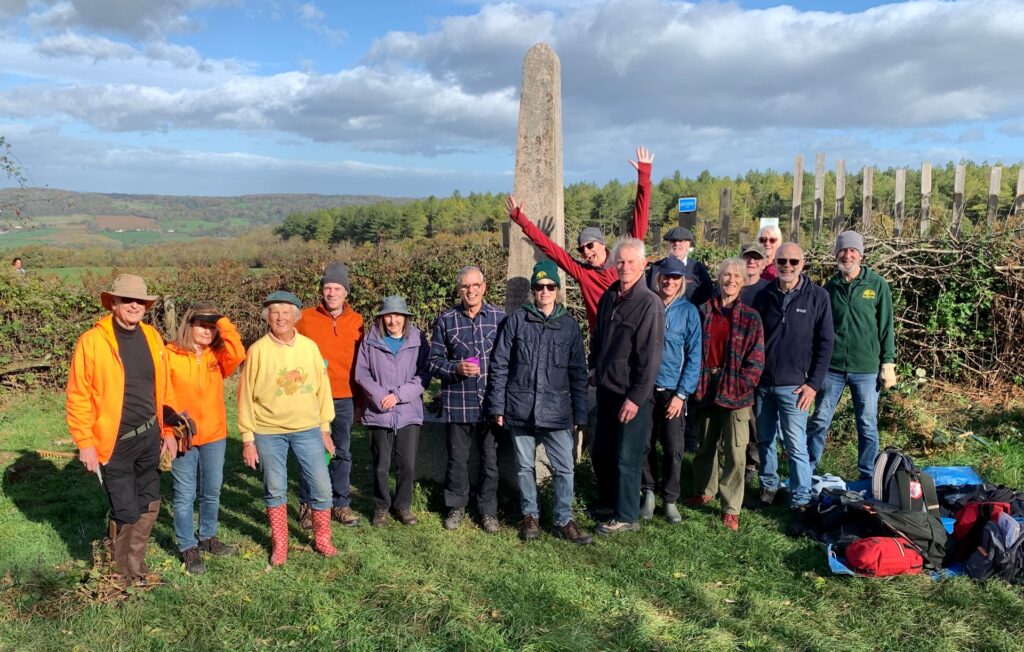
Author: PeterBET

  • Nest Box Survey 2015/2016/2017

    Nest Box Survey 2015/2016/2017

    Nest Box Survey 2015/2016/2017

    Clearing the nest boxes is a bit like a lucky dip – you never quite know what you are going to find.  In past years there have been indignant yellow-necked mice, a wasp nest, squirrel nests, a wad of wax moth cocoons, and always a selection of huge spiders, countless woodlice and fat slugs. 
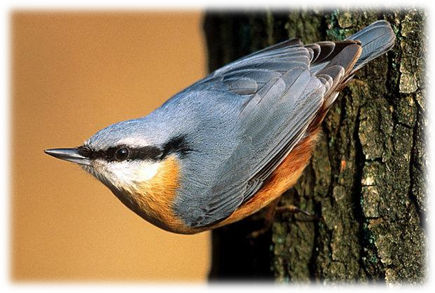
    Nuthatch

    We do also find bird nests and dormice nests and, as Gill will attest, fleas! The surprise for 2015/6 was finding that one of the owl boxes was not stuffed with the dead leaves typical of squirrel occupation, but dry green leaves indicating that a dormouse had been in residence.
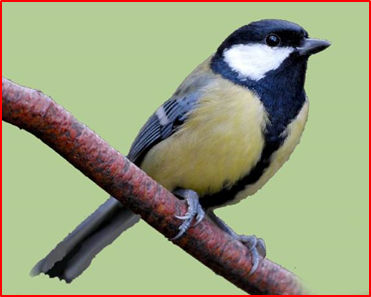
    Great Tit

    Jubilee Stone Wood has 26 boxes and Badgers Wood 30.  In both reserves about 50% had bird nests. On looking inside, what one hopes to see is a nest from which it is evident that all chicks have successfully fledged.  Occasionally we find abandoned clutches of eggs, or, sadder still, little skeletons. This year there were 4 obviously failed broods. The usual occupants are great or blue tits, but we did find 2 marshtit nests and one which was most probably that of a nuthatch.
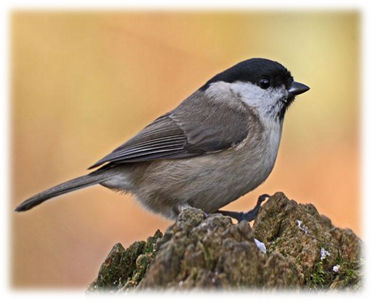
    Marsh TitThere are always a few yellow-necked mice, wood mice and dormouse nests.  This year there were at least 5 boxes which had both bird and dormouse nests, with a further 3 with just a dormouse nest.

    January 2017 update:

    Badgers Wood last year – 15 bird nests, 14 no nests, 4/5 dormouse nests;  this year – 14 bird nests, 17 no nests, 7 dormouse nests.

    Jubilee Stone Wood last year – 13 bird nests, 13 no nests, 4/5  dormouse nests;  this year – 11 bird nests, 15 no nests, 2 dormouse nests.

    Some boxes have both bird and dormouse nests.
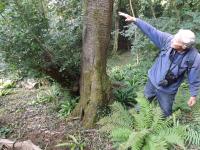


  • Tree Walk – Oct 2015

    Tree Walk – Oct 2015

    Tree Walk – October 2015

    Led by Richard Bland

    Richard is a wonderfully enthusiastic naturalist who has been fascinated by the history and natural history of The Downs since he came to Bristol fifty years ago. He has a pivotal role in several organisations including a spell as President of the Bristol Naturalists Society. If you came to the BioBlitz in the summer you may have met him either leading some of our school groups on the Friday or enjoyed his all too brief tree walk on the Saturday.

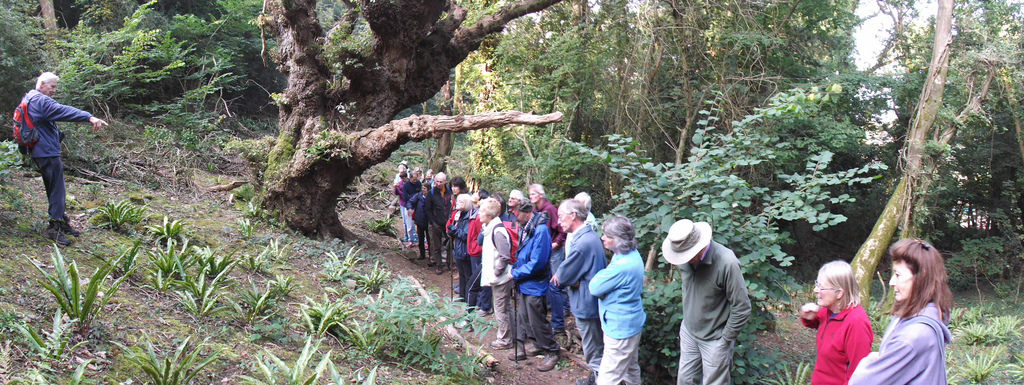
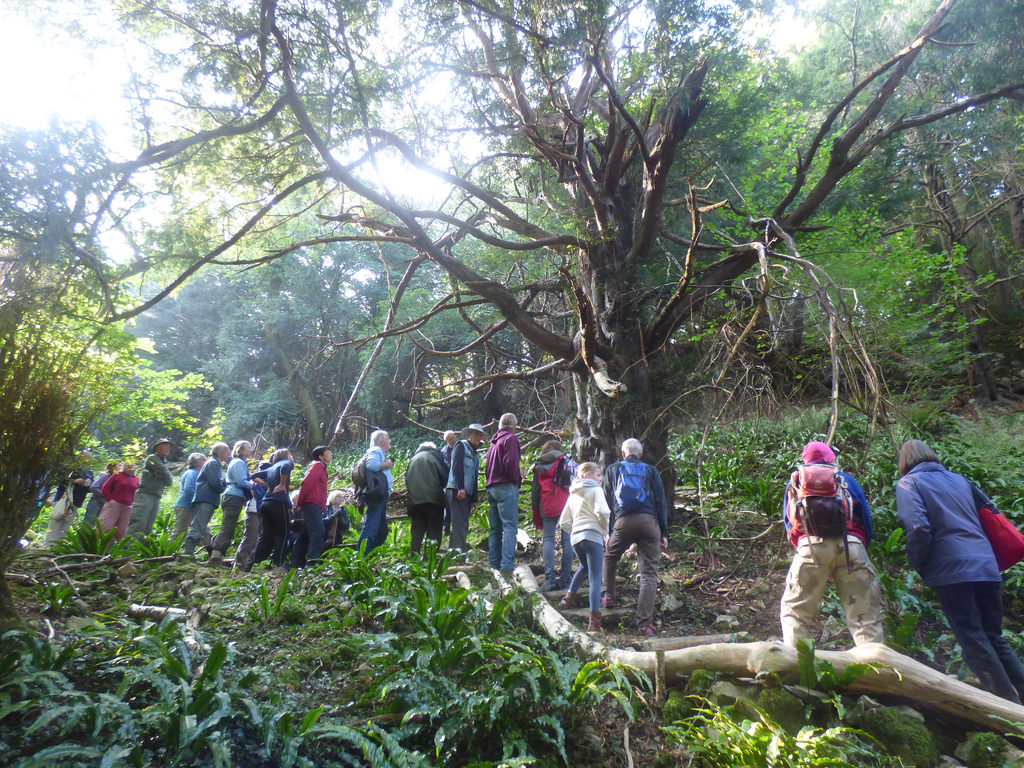
    Fortunately, the diversity of our woodland intrigued him and he offered to lead a longer walk on some future occasion. Needless to say, we jumped at his offer and on 4th October about 28 of us gathered at the BET Cabin. Richard is a very engaging speaker, with not only an extensive knowledge of plants, birds and trees, but also a background of economic history. Not only did he tell us about the trees, but their economic importance and some of the social history.

    Tree walk 1

    We measured girth to determine the age of the tree (about 2.5cm per year so 2m girth would indicate an age of about 80 years). Apparently old oaks are few and far between because they were traditionally harvested at about 100 years, and their height would have dictated the maximum dimensions of buildings in the pre-industrial ages. We also learned of the relationship between the Knopper Gall Wasp, the Turkey Oak and our native oaks, and how heavy infestations can affect acorn crops. This was brought home to me as I walked back through Backwell Churchyard, past the oak tree, trampling the ridged Knopper Gall acorns underfoot, seeing hardly any that were unaffected.

    Richard is a great observer and has walked the same route across the Bristol Downs for 17 years, logging birds and plants, adding to knowledge about changing populations. He pointed out that this year had been a good one for apples but there was very little beech mast, ash fruits or acorns. Some of his observations are noted in the Phenology section of the Bristol Naturalists Society monthly bulletin. Two hours flew by all too quickly and we reluctantly bade farewell, with some areas of the reserves still unvisited!

    Tree walk 3

    We are most grateful to Richard for all his contributions to BET activities this year, in leading walks and carrying out copious species recording at the Bioblitz. We hope that he – and you – will continue to visit and enjoy our reserves.

    You can find lots more fabulous photos from the walk in this gallery: BET Flickr Album

    Carrie Riches


  • The Geology Trail – 2014

    The Geology Trail – 2014

    The Geology Trail

    After much discussion by the trustees about the possibility of a high-level cliff path in Badgers Wood, the project was given the go-ahead in the spring of 2013 and was finally completed in October 2014.

    The Geology Trail

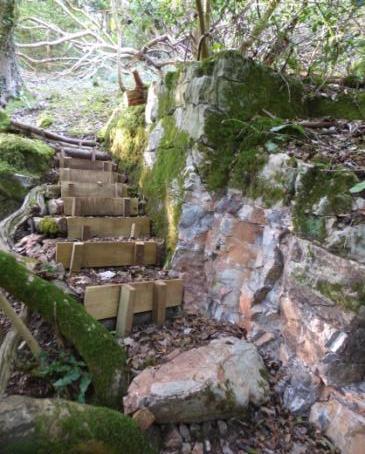
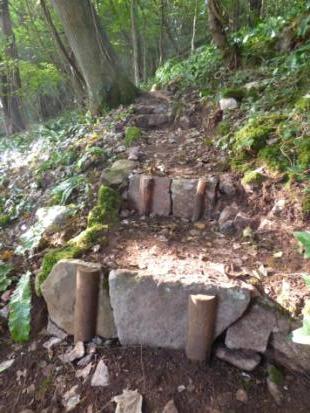
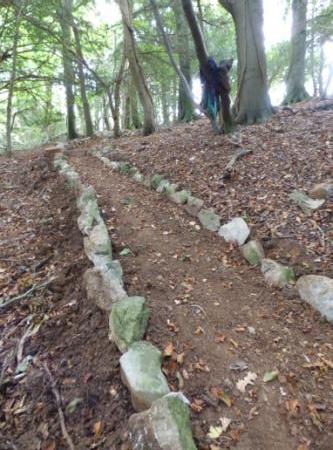
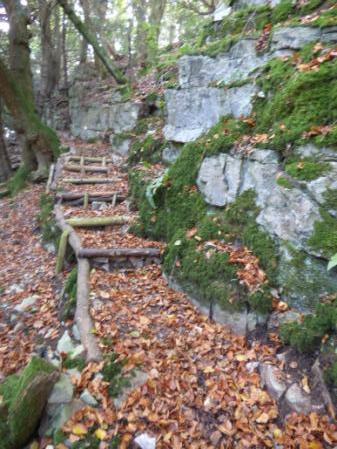
     The trail, constructed in 2014, is around 350 metres long and runs along the base of some of the fantastic limestone cliffs to be found in this part of the woodland. The first and last sections have been relatively straightforward, but it was the bit in the middle, close to the cliff faces, that have required the full engineering skills of the trusty BET volunteers. 

    Geology Trail 1 Geology Trail 2

    We decided to start the trail in the middle, so if we ever felt we couldn’t overcome some of the more challenging technical problems, we could always simply walk away and no one would be the wiser!

    The problem was that some sections of the trail had to be constructed on a very rocky, steep slope so the only real solution for us was to attach metal cages to the rock faces, fill them up with many tonnes of rock and then put the trail on top. Although this took a long time to do, I’m very pleased with the finished result as it’s now quite difficult to see the sections of trail that would once have been in thin air just a couple of years ago.  

     Geology Trail 4Geology Trail 3

    The Geology Trail branches off the Fern Way close to the start/end of that trail.

    One word of warning though…. the trail does have some short, steep sections and you may need a head for heights on the more ‘challenging’ middle section!

    The route of the trail is shown on the updated BET Map.

    A selection of photos taken during the formal opening of the trail can be found here: Opening Celebrations – Oct 2014

  • Yellow Bird’s Nest

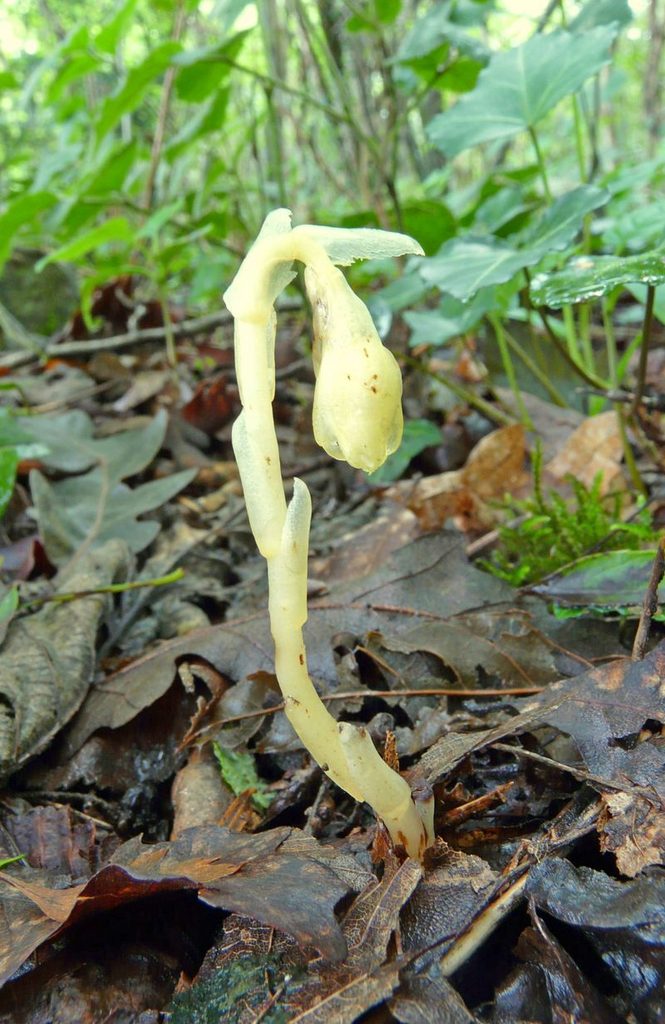
    The reserve’s rarest plant, the Yellow Bird’s-nest (Monotropa hypopitys), is a strange perennial plant with a yellow stem and scale-like leaves. It can grow up to 20cm tall and has no green chlorophyll. It was once thought to be a ‘saprophyte’feeding on decaying organic matter but recent research suggests it is a ‘aepiparastic’ plant using tricholoma fungi to extract nutrients from living trees. Its flowers come out between June and September and can be up to 15mm long (although the specimens in Jubilee Stone Wood/Badgers Wood tend to be smaller).

    Our plants were confirmed by the Bristol Regional Environmental Records Centre (BRERC) as being the only known specimens in the whole of North Somerset. Unfortunately they have a habit of disappearing for a while and have not been seen on the reserves in recent years. This photo was taken in Jubilee Stone Wood in August 2008.

  • Bluebells and Aliens!

    Bluebells and Aliens!

    Looking Forward to Spring

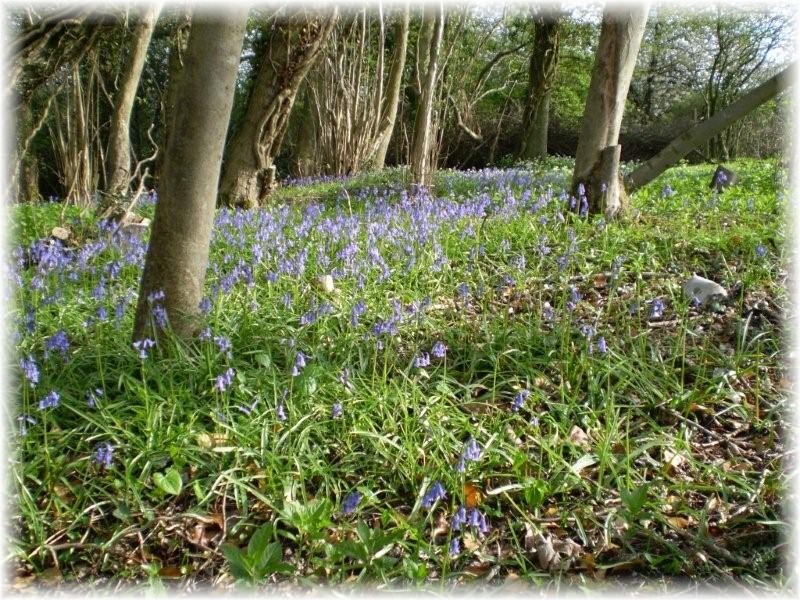
    If there’s one flower that symbolises the arrival of spring in England it has to be the bluebell.

    This amazing woodland plant has really made itself at home in the UK and in fact we have more bluebells here than in any other country. A woodland carpeted in bluebells is often a sure sign that the forest floor has remained relatively undisturbed for hundreds of years, which makes it a good indicator species for identifing ancient woodland.   

    bluebellwood
    The bluebells in BET’s nature reserves should be at their most spectacular in late April which makes it a great time to visit. The most dramatic displays are usually to be found in the lower sections of Jubilee Stone Wood and all along the public footpath running through Badgers Wood.
    Aliens in Badgers Wood! This spring we have found and removed a patch of undesirable Spanish Bluebells. This variety is commonly grown in gardens and can crossbreed with our more delicate native species, diluting its unique characteristics.  See this website for information on How to Identify Spanish Blubells and let us know if you think you have spotted more of them in our woods.
    As well as the bluebells, the intense white flowers of the wild garlic are typically in full bloom at the same time. They can also form large drifts on the woodland floor and are hard to miss especially with their faint whiff of garlic as you brush pass them!   
    And don’t forget that Jubilee Stone Wood and Badgers Wood both have secure, level wheelchair-friendly trails, so there is really no excuse for not paying us a visit this springtime!   (Check out the map and parking directions by clicking on ‘Our Reserves’ in the Main Menu). 
  • BET on BBC

    BET on BBC

    BET on BBC – February 2014

    BBC1lowres

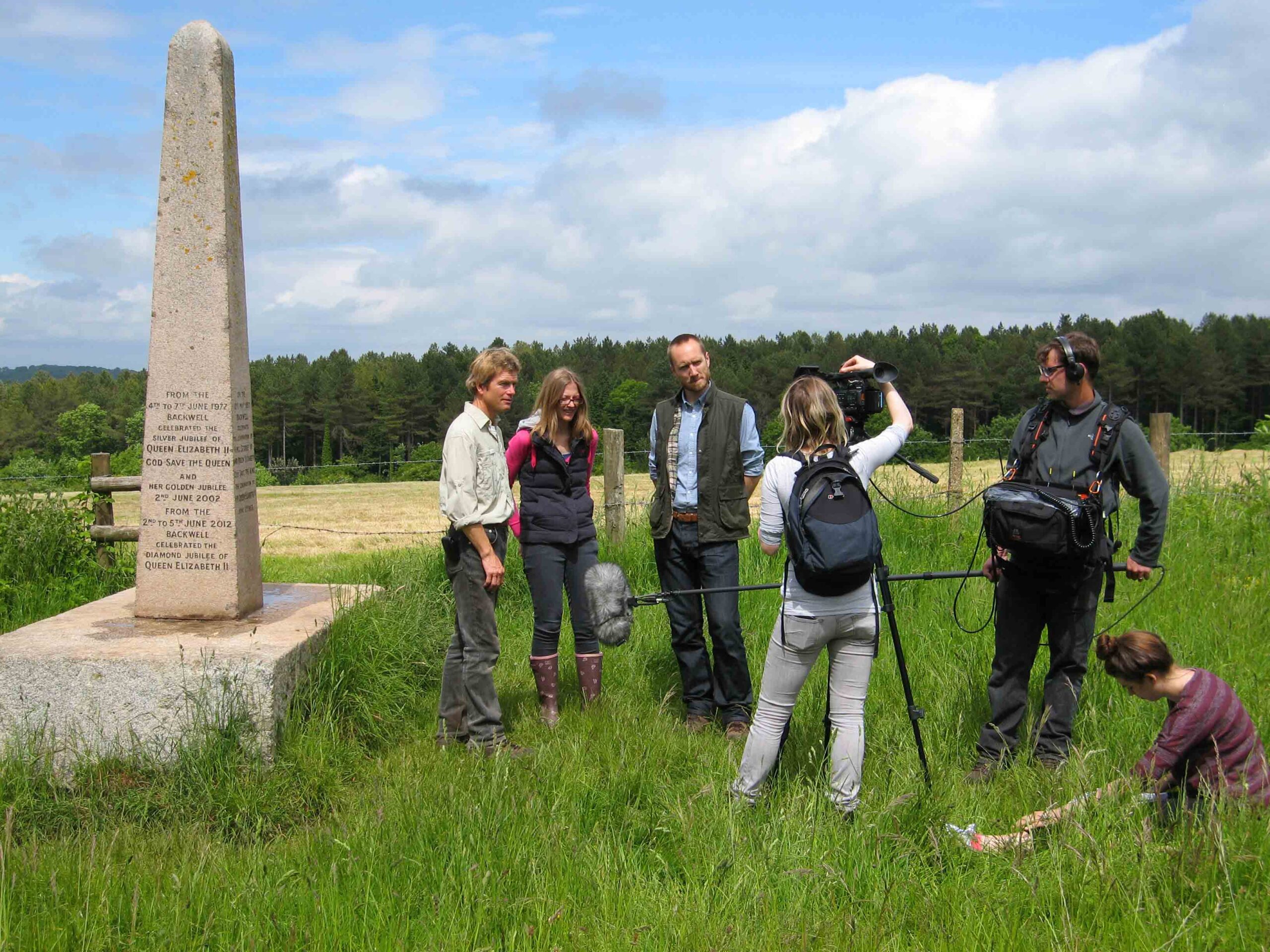
    In June 2013, BET was contacted by the makers of the BBC series ‘Escape to the Country’ to ask if we would like to take part in an episode being filmed in North Somerset.  The episode was broadcast in Feb 2014 and included a 4-minute story about BET, which you can watch by following this link. 

    BET on BBC – February 2014

    In June 2013, BET was contacted by the makers of the BBC series ‘Escape to the Country’ to ask if we would like to take part in an episode being filmed in North Somerset. 

    Not being one to pass up a bit of free publicity we readily agreed to the filming which  took place just a few days later at various locations throughout both reserves. The trusty BET volunteers turned out in force on the day and were filmed constructing new trails as well as scything one of our meadows. The filming was pretty intense at times with only a short break for lunch, but we hoped that with the ten hours the film crew were on site, we might get a 5 minute slot on the TV – so as long as we don’t end up on the ‘cutting room floor’!  The film crew were very impressed with BET and its volunteers and sent a kind thank-you note:

    ‘I just wanted to say a huge thank you for filming with us last week. It was great, we learned loads, the activities were fantastic, having such a raft of committed volunteers was excellent and the views were jaw-dropping!  Our contributors genuinely relaxed and enjoyed their time, so I couldn’t have asked for more. It was a real pleasure to meet you all and to visit such a magical, hidden gem’. 


    After quite a wait, the episode was finally aired on the 5th February 2014 and included some lovely sequences of the woods and some entertaining chat. Watch the clip below. This is just the part of the programme showing BET and is for the private use of the Trust. The programme is the Copyright of FreemantleMedia Ltd, who made the programme for the BBC.

     The film crew in action, next to the Jubilee Stone…

    BBC1lowres

  • Tree Identification Walk

    Tree Identification Walk

    Tree Identification Walk – July 2013

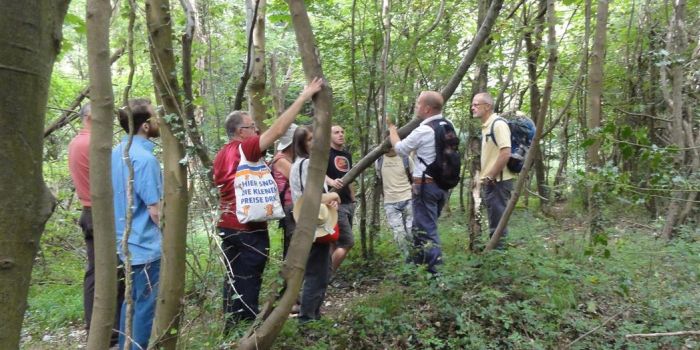
    At the end of July, BET organised a highly instructive Tree Identifcation Walk through our woodlands with a local tree expert.

    A large group of BET members took the opportunity to learn from expert Ian Monger, former Senior Tree Officer for North Somerset Council. Ian showed us how to identify the many species of tree that we have in our woodland reserves, pointing out the subtle differences in leaf shapes between whitebeam and hazel, for example.

    During the enjoyable and informative three-hour tour we learned about the stages of tree growth and looked at bark patterns of younger and older trees. We were able to stop and admire some of the oldest trees in our woodlands including common limes, yews and a magnificent 600 year-old ancient oak.

    Ian Monger is an Independent consulting arboriculturalist offering a wide range of tree-related services:

    http://ianmonger.co.uk/index.html

  • Archaeology Walk – July 2013

    Archaeology Walk – July 2013

    Archaeology Walk – July 2013

    Arch walk 2013

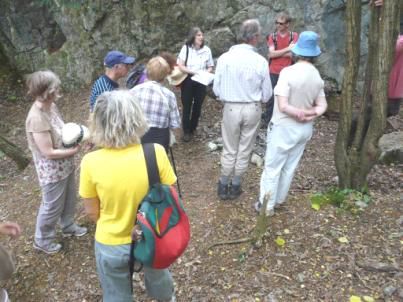
    BET hosted a very popular guided walk around our fascinating archaeology sites.

    BET held an archaeological walk through our two woods on Saturday, July 20th 2013 as part of the CBA (Council for British Archaeology) Festival Fortnight, one of over 1,200 events around the country.

    We headed off up the hill via Church Town to the Jubilee Stone Nature Reserve, stopping to look at the ‘humps and bumps’ which are signs of old lead mining.

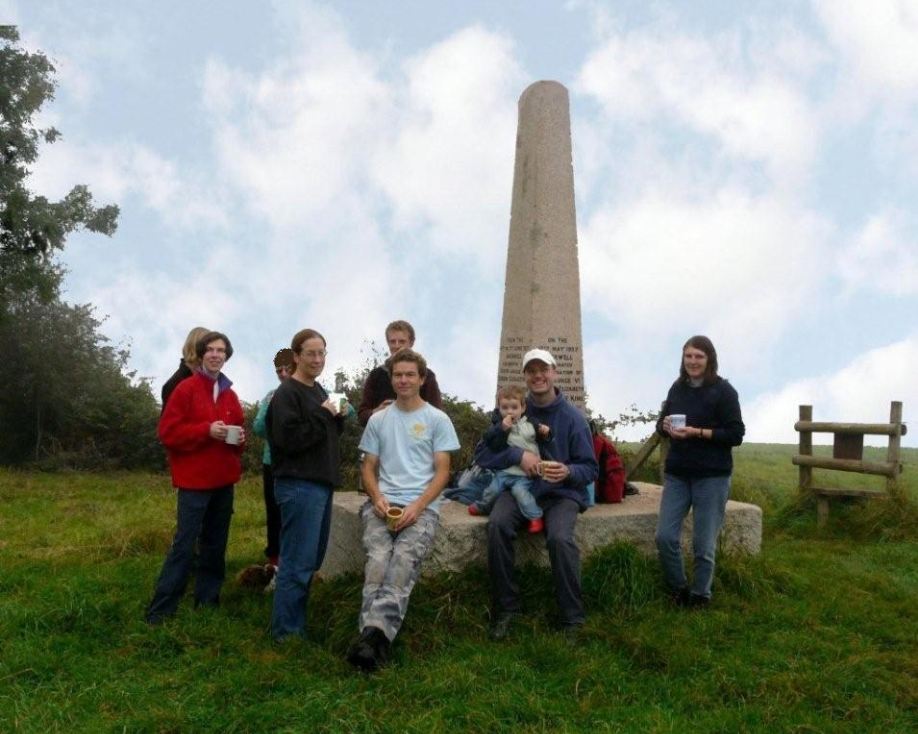
    We walked up to the Jubilee Stone itself, a granite obelisk built in 1897 to commemorate the Diamond Jubilee of Queen Victoria, and paused in the sunshine to admire views across the valley. Immediately in the field below us were traces of four Bronze Age barrows, from 4,000-2,800 years old, which have almost been ploughed away over the centuries. The largest one was 30 ft in diameter, and we all stood on it whilst it was explained that Reverend George Masters from Flax Bourton dug into the middle of it in 1898, probably looking for treasure, but found nothing of importance. However, recent geophysics revealed that several burials still remain there deep down below, and which of course must remain undisturbed.

    After a while, we moved along the bridleway to the Warrener’s Cottage, though nothing much can be seen there either, apart from low wall foundations now hidden under brambles and wild flowers.

    Then we visited the limekiln, which was in use from at least 1843-1884, and has been excavated and partially restored by BET.

    At the bottom of the hill is a small cave tucked away amongst these trees, which was probably formed by a stream once flowing down over it. Some of our group had never seen it – or knew of its existence, so it was explained that it had been a sacred site to those ancient people, a meeting place for gods of the Earth, Sky and the Underworld, and approximately 18-30 people had been buried there, from 5,000 years ago (Neolithic period) to 2,000 years ago (Roman period).

    This, then, was the end of our walk, and everyone seemed to go away satisfied to have learned a little more about BET’s woods and the people who had lived, worked and even been buried there on the hillside at Backwell all those years ago.

    Refer to the Archaeology menu for further articles about the above sites.

  • Autumn Walk – October 2012

    Autumn Walk – October 2012

    Autumn Walk – October 2012

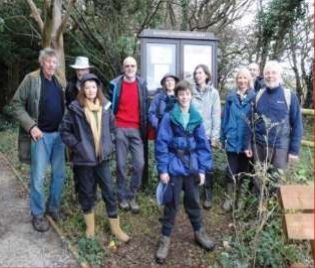
    Autumn Walk 2012 1On October 28th, 11 intrepid hikers visited seven Wonders of Backwell and Brockley.


    The first wonder visited was Backwell’s own prehistoric cave where trustee Jenny Greenslade gave us an impromptu tutorial.

    Next the steady climb up to the viewpoint in Badgers Wood for the second wonder of the view over the Bristol Channel. Visibility could have been better but the prospect was still rewarding.

    Crossing Backwell Hill Road and rambling along Tinkers Lane we visited Oatfield Pool with its Everglade-like trees, our third wonder. This is limestone country and there shouldn’t really be a pool here at all, but if you study the geological map you will find this part of Backwell Hill is acid and seems to be similar in character to Felton Common. It’s said it was used at one time to wash lead ore perhaps mined from our own Jubilee Stone Wood.

    Autumn Walk 2012 2

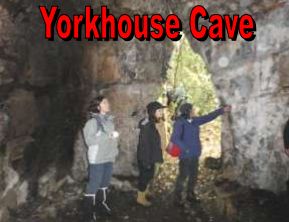
    On to the telephone mast and across Hyatts Wood Road to Oatfield Farm, through the barn at Edsons Farm and on to Yorkhouse Cave in Brockley Combe, our fourth and most wonderful wonder with its 39 foot chimney through the solid rock. Here we had lunch in the company of a solitary roosting bat.

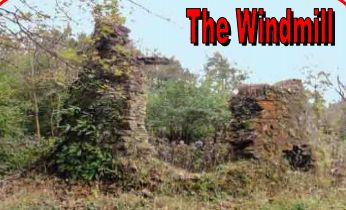
    Our fifth wonder was the ruined windmill and our sixth the derelict bowling green, both high up on the hill above Brockley Hall thence down to the tunnel under the A370 which links all these wonders with the hall.

    Autumn Walk 2012 3

    A possible eighth wonder, the tunnel under the Chelvey road we decided to leave to another day as the problem with the clocks going back is that it becomes dark earlier than you expect.


    Bill Charnock – with thanks to landowner Ken Edis for permission to visit the Yorkhouse Cave and to trustee Carrie Riches for the photographs. 

  • Volunteering with BET

    Volunteering with BET

    Our woodland volunteers meet every Monday and the third Saturday of each month, at the Cabin in Badgers Wood, just before 10am and returning around 12:15pm. See Publication & Links, Maps and Guides for the Cabin location.

    No experience is necessary – just turn up!  For further information, email Ian Chambers (ian.chambers676@gmail.com).

    Volunteering is a great way to spend an hour or two – apart from being friendly and sociable, tea and biscuits are ALWAYS provided!

    Backwell Environment Trust (BET) is 100% operated by volunteers – our trustees, members, supporters and advisors. As we have no paid staff, we can therefore ensure that all the money we raise, or is donated, can be used for the benefit of the whole community. However in today’s society, people are now busier than ever before, so we are always on the look out for new volunteers to join in and help with us the many varied tasks our trusty volunteers take on.

    Even if you only have an hour or so to spare each month rest assured we will make you very welcome! Absolutely no experience is necessary – we will supply all the training and tools as well as tea & biscuits – or even cake! So maybe you would be interested in getting involved with our woodland activities on tasks such as fencing, dry stone walling, hedge laying, coppicing, hay making, etc.

    volunteers

    Alternatively….

    • you may like to join in with uncovering possible archaeological features, or
    • perhaps you have a special skill that you think might be helpful to BET, either now or in the future, or 
    • you may prefer to join in and help with the varied educational/training sessions we hold.

    Click to read this story by one of the BET volunteers and find out what makes the volunteer sessions so rewarding: A Volunteer’s Tale