
Author: PeterBET

  • BET aerial photos

    BET aerial photos

    Layers Sphere 200

    A Birds-eye View of the Reserves

    See what the reserves look like from the air, with their magnificent autumn colours.  Here are some aerial photos and panoramas, as shown at the BET AGM.

    Aerial photos and videos – the world as seen from BET

     Layers Sphere 700

    Last autumn I invested in a small drone (aka “boy’s toy”) to take aerial photos of the reserves. We plan to take photos regularly throughout the seasons to survey our land from the air and to monitor the progress of the work on the reserves as we execute our management plan. 

    Photos

    The aerial views clearly show the connectivity between the trees in the various sections of the woods and with the neighbouring woods.  They also provide a brilliant way to appreciate the wonderful autumn colours of our wide variety of trees.  The “spherical panoramas” present a very different perspective of the reserves.
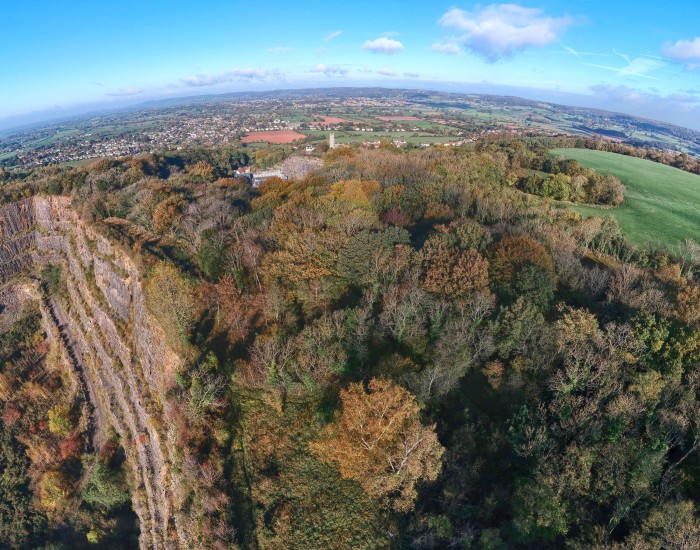
    DJI 0001 stitch 2 recrop HDR 700

    The following photo was taken from 250 feet above the Jubilee Stone and also just shows the outline of the Warrener’s Cottage.
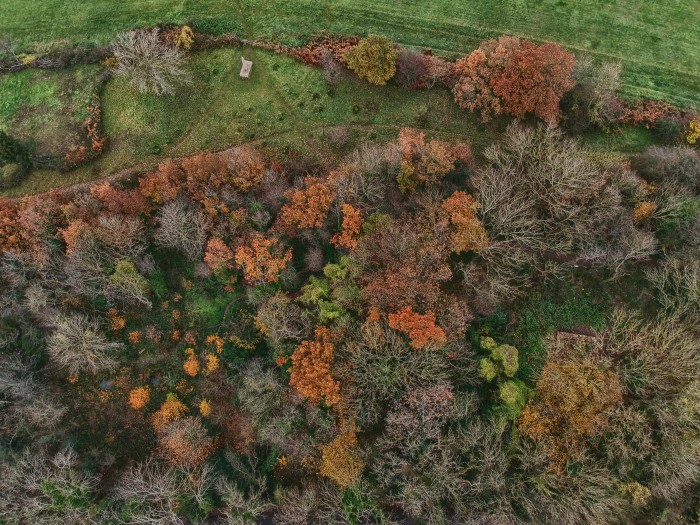
    JS Aerial 700

    We can also keep an eye on the cliff faces of the quarry adjacent to the Badgers Wood reserve and footpaths.
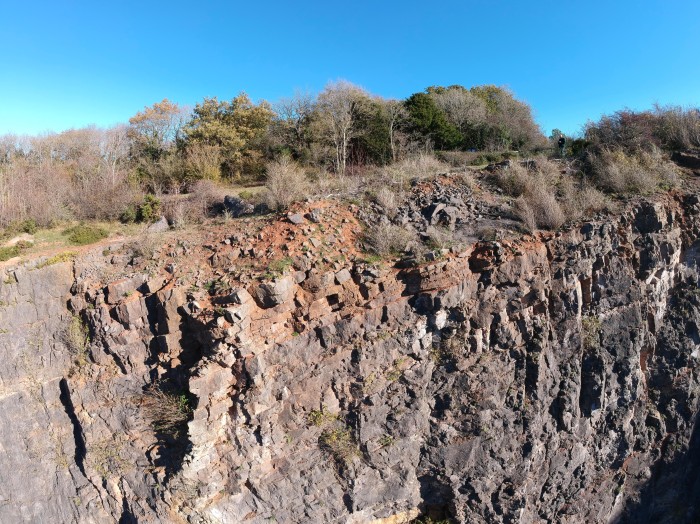
    Quarry cliff 700

    These are low-quality versions of the originals.  A selection of higher resolution aerial photos can be found in this Flickr album.  Click here:  BET Aerial Photos

    Panoramas

    The drone is capable of automatically taking a series of panoramic shots which can be joined together to produce fascinating 360 degree views. Each of the following panoramas is made from 46 separate 12-megapixel photos which were stitched together seamlessly using the Microsoft ICE application.  Special software is needed to view the resulting panoramic image.  The Momento360 website is being tested for hosting these panoramas as it provides good download speed and allows you to pan around the view in all directions easily.  So far it appears to work well on all browsers and mobile devices.  Click on the links below, then click on the panorama to move it around:

    Videos

    Here are a couple of videos of the reserves and our amazing volunteers.  Click on the links below:

    Drone details

    For those interested, the drone is a DJI Spark mini quadricopter weighing just 300g.  It has 2-axis camera gimbal stabilisation allowing you to shoot stabilised video at 1080p and stills at 12 MP.  Horizontal speed is a maximum 32 mph and flying height is restricted to 400 feet under CAA regulations.  Remote control maximum distance is around 1,500 feet but is restricted to visual line of sight at around 500 feet.   With GPS satellite positioning, obstacle avoidance and facial recognition, it’s a remarkably clever little flying machine!

    Stop Press

    With effect from 13th March 2019, the no-fly zone around airports has been increased to 2.5 nautical miles, which covers the BET area. It is still possible to fly, but permission has to be requested from Bristol Air Traffic Control on the day.


    Peter Speight
    BET Trustee
     

  • BET Management Plan

    BET Management Plan

    Man Plan 200

    Management Plan for the next Ten Years

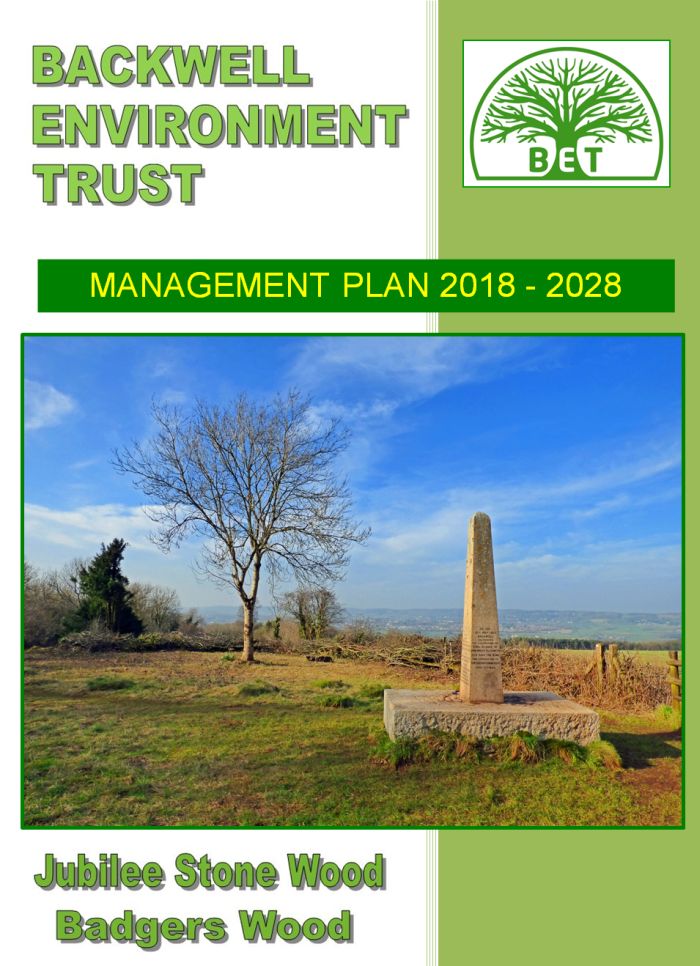
    The BET trustees have produced a new management plan for the reserves, which members were invited to review.  The final version is now available for reference.

    BET Reserve Management Plan

    November 2018

    This article provides a link to the new Management Plan for the BET reserves for the next ten years.  It was produced with significant input from external consultants and was released to BET members for comment on 5th October.  Feedback was very supportive and a few small amendments were made to the final version.  Adoption of the plan was approved at the BET AGM on 17th November 2018.

    The 61-page PDF document can be viewed online or downloaded to your PC or tablet for reading offline.

    Click here:  BET Management Plan PDF

    Note that you can click on a section in the Table of Contents to jump straight to that section.  Similarly, the cross references in the document to Tables and Figures can be clicked. Then, in Adobe Acrobat Reader, you can go back to where you were by clicking ALT-Left Arrow.  Other PDF viewers may work differently!

    Man Plan 700


  • New Wildflower Meadow

    New Wildflower Meadow

    Fabulous New Wildflower Meadow

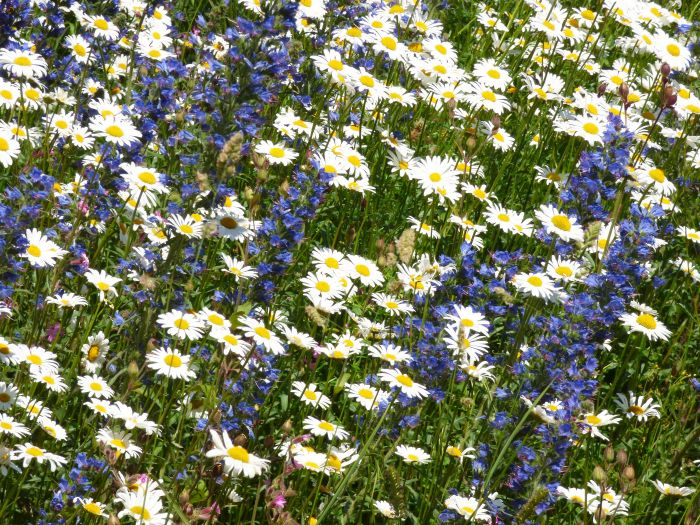
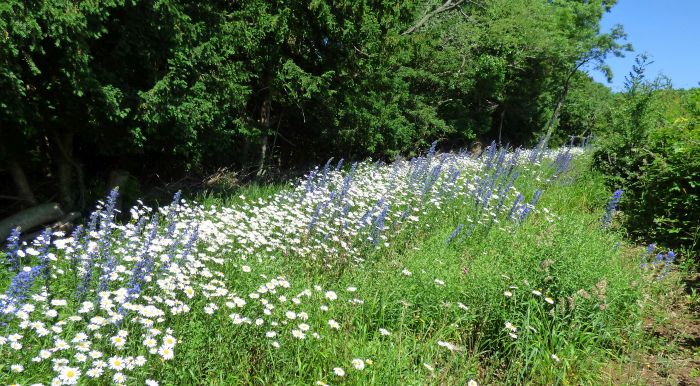
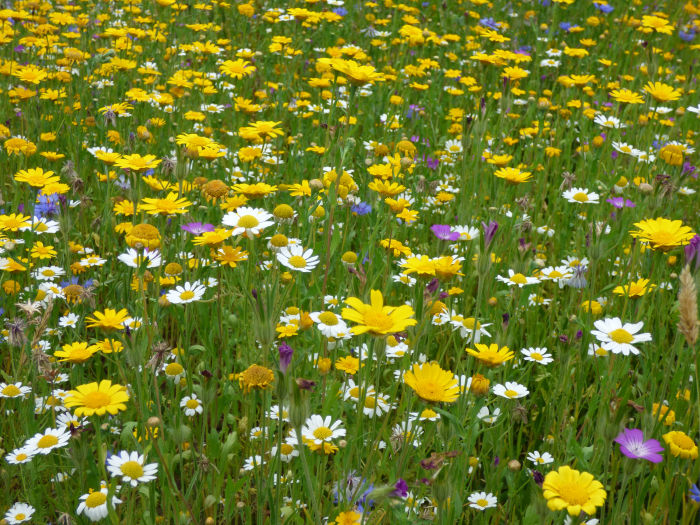
    If you have walked up the public footpath in Badgers Wood recently you will have been greeted by this wonderful sight!

    Wildflowers closeup 700

    Since BET started restoring Backwell Hill’s long-lost wildflower meadows, our philosophy has always been to open up an area and then let nature do the restoration work for us. However in 2016 we tried something new with a 100m2 patch of fledgling meadow close to the top of the Fern Way.

    Inspiration came from the old Glassworks site (opposite Tesco) in Nailsea which was once alive with wildflowers before the area was landscaped a couple of years ago. Before the heavy machinery was brought in, volunteers from the Friends of Trendlewood Park collected as many seeds from the wildflowers as they could and transplanted them to a prepared site on the edge of the Golden Valley playing fields.

    FOTP wildflowers

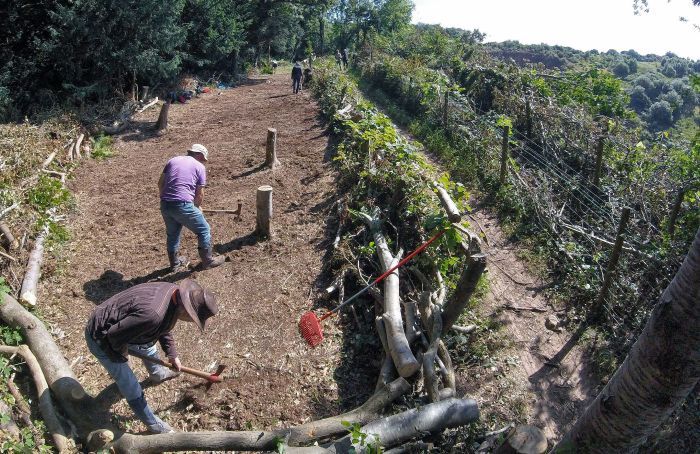
    The next summer the saved wildflowers looked fabulous so it got me thinking, could we try something similar on BET’s reserves? So in the summer of 2016, we removed the ground cover of ivy and bramble, hedge-laid and removed some nearby trees to let in more light, and finally broke up the soil to create a seed bed.   Meadow Creation 700

    In mid-September, the area was then seeded using UK-grown stock as well as seeds collected from BET’s own meadows.  We thought it would be fascinating to see just what would germinate in this trial meadow, but that we would probably have to wait for the summer of 2018 to see it in full bloom.

    We were right!  The results the following year were quite sparse but this year just look at the fabulous display! 

    Wildflowers 700

    The flowers in full bloom shown here in June are dominated by the white Oxeye daisy and the blue Viper’s bugloss. As the summer progresses, they will be followed by the purple reds of Greater knapweed, Musk mallow and Wild marjoram as well as the bright yellows of St. John’s wort and members of the Cat’s-ear and Hawkbit families, hopefully continuing this beautiful floral display well into the autumn. 

    Ian Chambers

  • BET Data Privacy Policy

    BET DATA PRIVACY POLICY

    What is the purpose of this document?

    On 25 May 2018, data protection law changed with the introduction of the European General Data Protection Regulation (GDPR). It is a significant change for all organisations, including charities, which hold and process personal data. This policy document explains what personal information BET collects about its members and how it is used.

    ‘BET’, ‘we’,’us’ or ‘our’ means the Backwell Environment Trust, registered charity number 1109406.

    What information do we keep and why?

    We hold the minimum data necessary for the legitimate administration of our membership and donations.  The information we hold is collected from our paper membership forms and comprises:

    • Name
    • Address
    • Payments made
    • Gift Aid status
    • Contact Email address, if provided

    We do not collect any personal information on members classified as ‘sensitive’ under GDPR.

    Our website does not use logons, forms or cookies and does not collect any personal data.

    How do we use the information?

    The data provided by members is used for the following purposes:

    • providing our members with news about the activities of BET
    • this includes distribution of a hardcopy bulletin twice a year and email updates on events, workdays and meetings. Email blind carbon copy (BCC) is used to prevent contact details being visible to other members.
    • reporting of donations for Gift Aid collection and maintenance of accounting records

    We do not share any member information with third parties.

    If you wish to change how we contact you

    You can request a change to how we contact you by sending an email to the Membership Secretary at betwoods@yahoo.co.uk

    How long do we retain your data?

    We have a legal obligation to obtain and retain, for 6 years, data relating to donations and claims for Gift Aid.

  • The Warrener’s Cottage Excavation

    The Warrener’s Cottage Excavation

    The 700th Anniversary of the Warren – excavating the Cottage

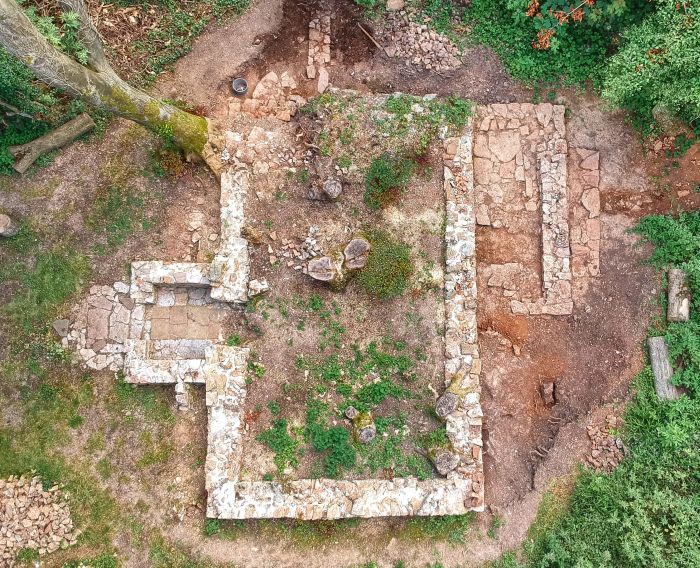
    June 10th 2018 was the 700th anniversary of the forming of the rabbit warren on Backwell Hill. Sir Richard de Rodney was granted the right to free warren by King Edward II on 10th June 1318. The Warrener’s Cottage in Jubilee Stone wood dates back to the 1780s and was still lived in until at least 1843. See:  The Warrener’s Cottage

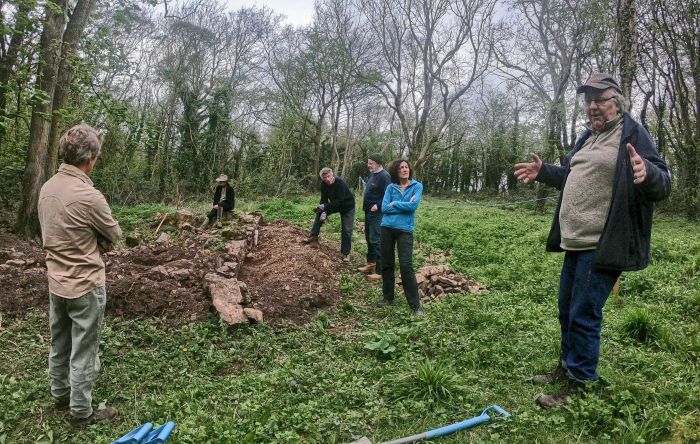
    To mark this anniversary BET started to uncover the remains of the cottage walls, with guidance of Vince Russett, ex-North Somerset county archaeologist.

    G0241534 ed HDR 700

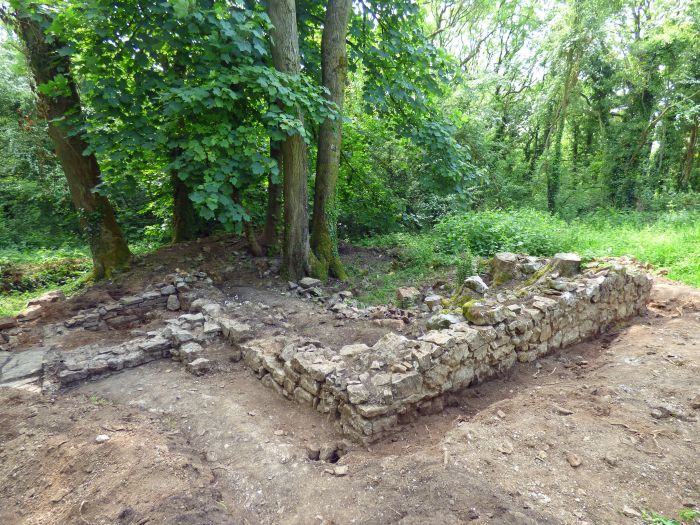
    We hope that the excavation will give us some clues about how the warrener and his family might have lived and worked.  Already the inital clearance of soil from the walls is starting to transform the grassy mounds and to show the configuration of the old cottage. 

    G0251749 cr 700

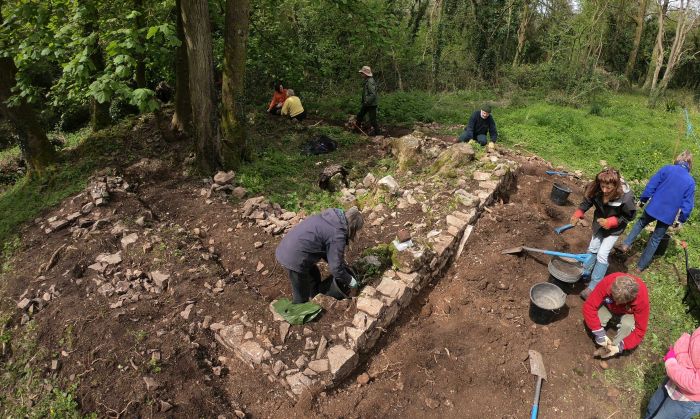
    Just a few work mornings later and the cottage walls are clearly visible together with the side entrance and floor.

    P1040027 700

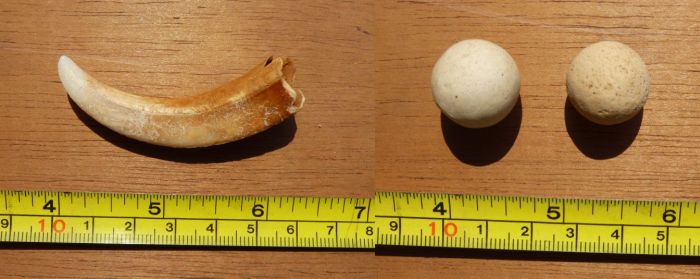
    During the excavation we have found many fragments of pottery plus some unexpected relics.  These include what appear to be a wild boar tusk and two clay marbles from the late 1800s.

    WC findsx2 700

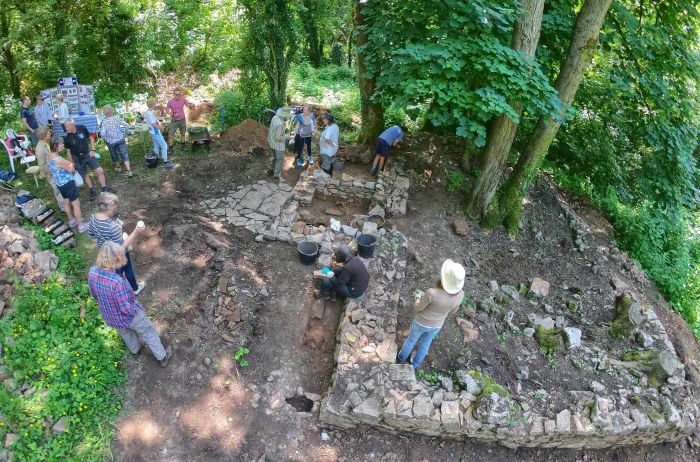
    Our Anniversary Open Day was well attended and we were pleased to show lots of interested visitors around the site and our finds.

    Follow the progress of the project in these galleries: Volunteers in Action 2018 and Volunteers in Action 2019.

    September 2018:  We hope to excavate the interior of the cottage in 2019 or 2020.  In the meantime the tops of the exposed walls have been protected with lime mortar to prevent rain and frost damage.

    Cottage mortar 700

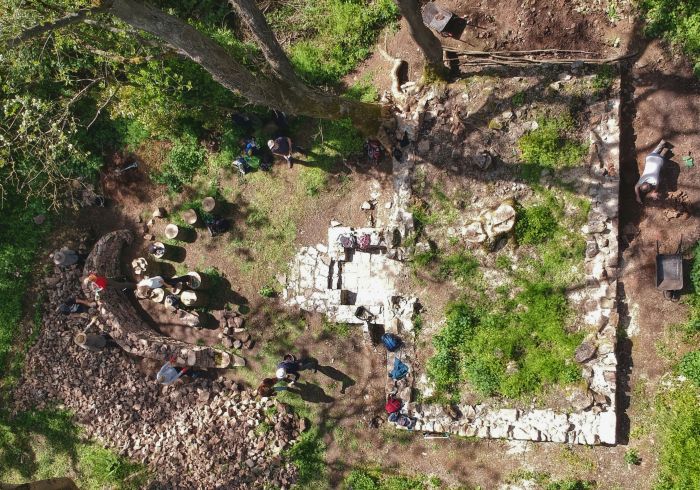
    May 2019:  We have been extending our excavation around the outside of the main walls. In the photo below, Mark can be seen working on the right side and has just found some new walls.  On the very left is the fabulous new curved dry stone wall our volunteers have built using some of the stone we have dug up. We are using more to rebuild the old garden wall.Cottage May 19 HDR 700

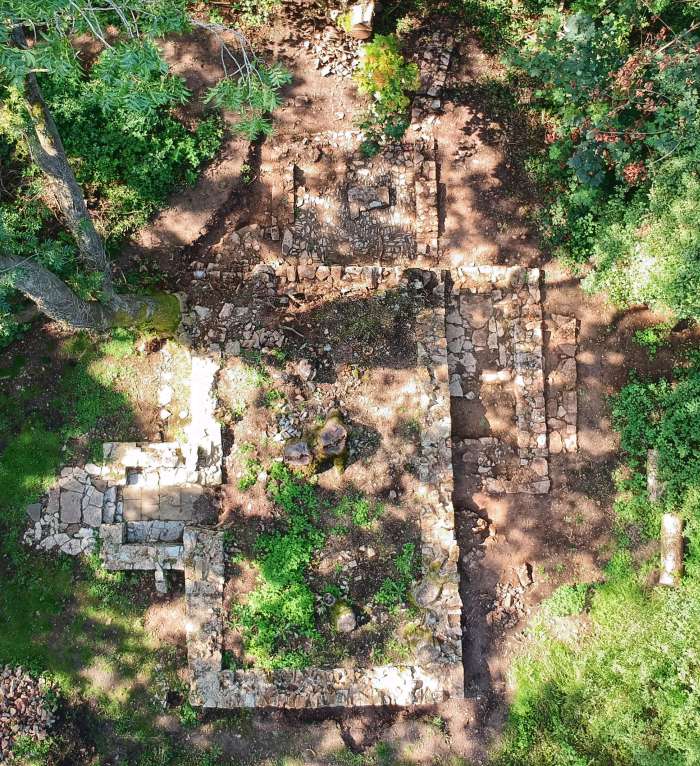
    July 2019:  We were amazed to uncover the foundations of an outbuilding on the right side. Old maps did not show this, but did have a small outbuilding at the back. We have uncovered a small section of wall behind the cottage which may be the start of this. 

    Cottage July 19 700

    August 2019: After digging deeper than we anticipated, the outhouse at the back is now clearly evident. The floor comprises stones set neatly on their edges and there is what was probably a stone work bench or table in the middle of the room. Even further back are yet more remains and the boundary wall which ran down to the lane.DJI 4129 HDR 700

    With all these exciting finds, the project looks set to run for some time yet. We have written a plan for excavating the inside, which has been approved by the current county archaeologist.  Watch this space!

  • Helping FOTP – April 2018

    Helping FOTP – April 2018

    BET helps in Nailsea’s Nowhere Wood – April 2018 

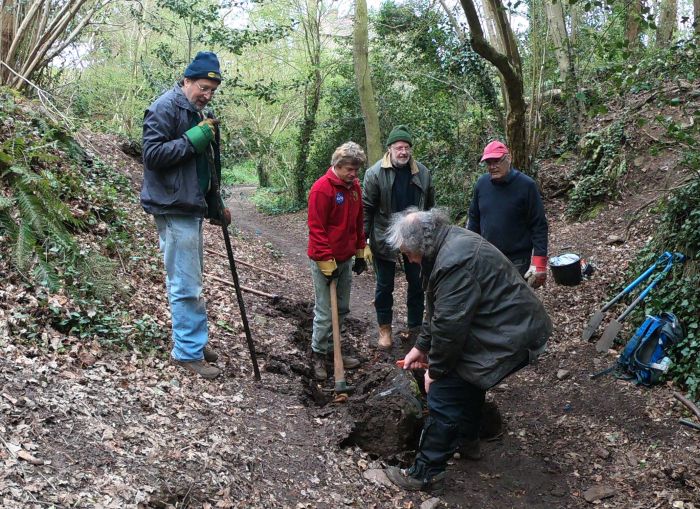
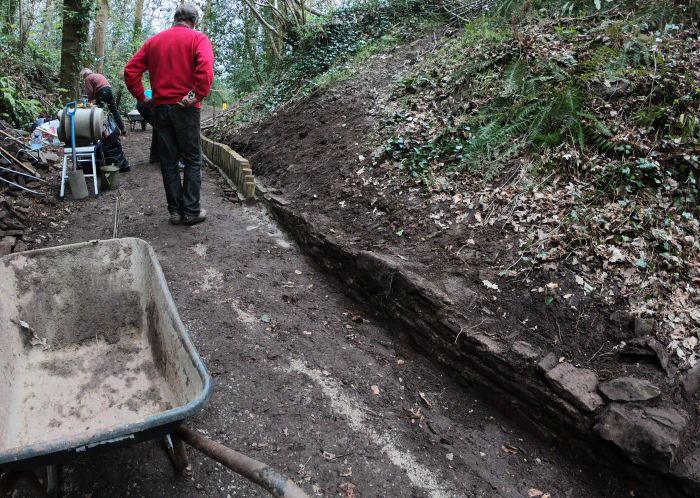
    On Tuesday 17th April six BET volunteers headed to Nowhere Wood in Nailsea to help the Friends of Trendlewood Park (FOTP). Some extra muscle power was needed for some serious path maintenance and construction work on the slope leading down to the old Pennant Sandstone quarry. This gently curving path was used to extract the quarried stone using ponies pulling tubs or “trendles”. In recent years the banks above the path had been damaged and the path covered in mud and debris.

    FOTP, in conjunction with North Somerset Council, decided to re-profile the bank, dig out the path and concrete in a line of wooden bollards to retain any further falling soil.

    FOTP Gully 1

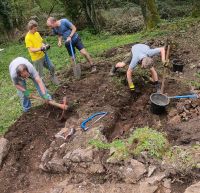
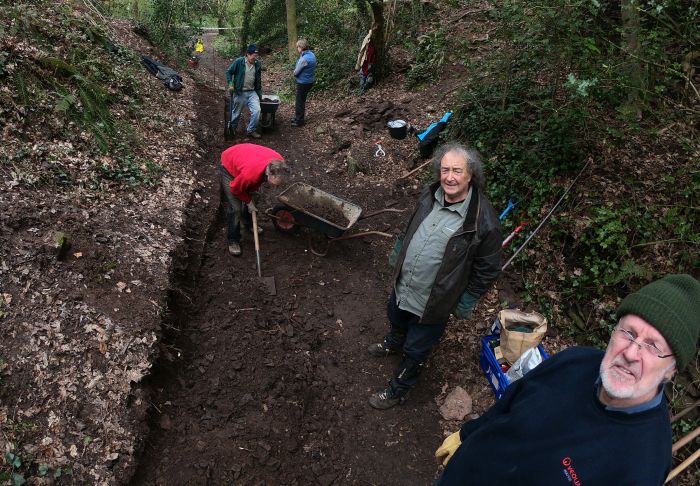
    So armed with mattocks and spades the BET volunteers ventured into Nowhere Wood to help the FOTP team. After a few minutes we unearthed a stone retaining wall which was previously invisible. Now uncovered, this has become an attractive feature along the path. The morning was spent removing fallen soil and clearing the path. After a break for a hearty lunch kindly provided by FOTP, we set about digging a trench and lining it with shuttering ready for concreting the bollards.

    FOTP Gully 2

    The bollards were fixed in place with quick-setting concrete which soon went off and the teams were able to stand back and admire their handiwork! The structure will be extended up the path in coming weeks.

    FOTP Gully 3

    The day was another great example of mutual support between member organisations in the North Somerset Nature Net.

    More pictures of the day can be found in our photo gallery here:  Flickr Gallery.

    There is also a short video here:  BET have fun with FOTP!

  • Scything at Chew – August 2017

    Scything at Chew – August 2017

    Scything Workshop at Chew – August 2017

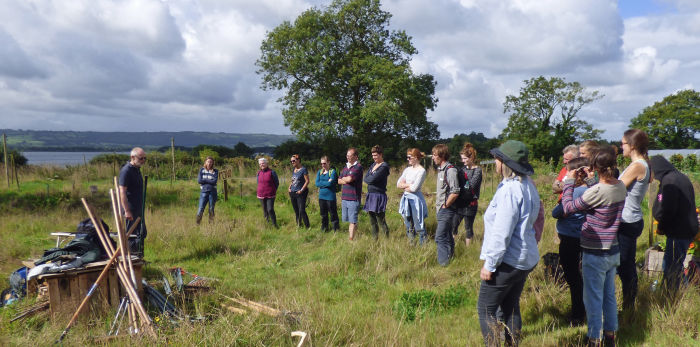
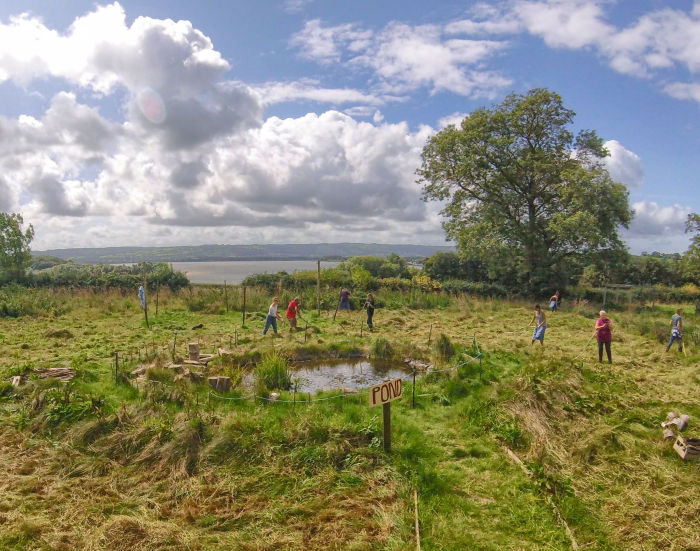
    On Saturday 19th August, Backwell Environment Trust (BET) held a scything workshop at The Community Farm, Chew Magna. This free event was quickly taken up and, within a few days, all of the 25 available places were fully booked. The enthusiastic volunteers travelled from all over our area and some travelled as far as South Wales to come to this fabulous venue overlooking Chew Valley Lake.

    Recently there has been an quite an upsurge in interest in traditional hand scything using Austrian scythes for cutting meadows in an environmentally friendly way. Austrian scythe blades are widely recognised as being amongst the best in the world and are imported into the UK from a factory first established in 1540.

    The volunteers were taught the correct techniques for hand scything by BET’s Peter Speight and in a very short space of time were all scything away, cutting the grass at an astonishing rate.

    Scything 2 700

    After scything, the grass was raked up into piles and removed from the meadow using pitchforks – a very traditional English scene. After trying out the three different designs of scythe blade we had brought along, quite a few of the volunteers were keen to purchase their own scythes to use on their own patch of grassland when they returned home.

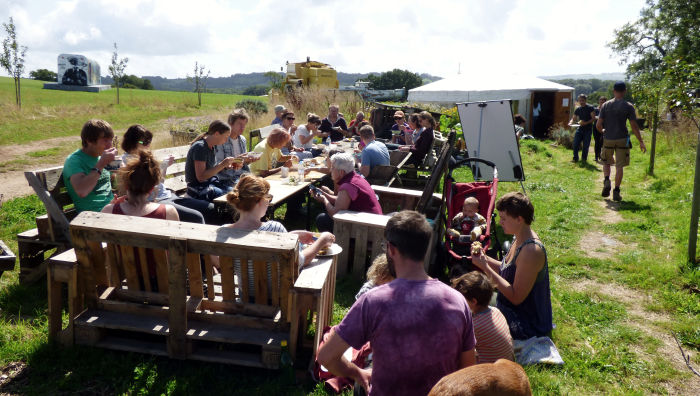
    Chew 700

    Lunch of delicious home-made soup and rolls was served from the Farm’s yurt and we all spent the lunchtime sitting in the glorious sunshine discussing the finer points of blades, snaths (scythe handles) and peening (restoring the blade’s profile). Chew lunch 700

    We all finished the day tired, but I think everyone had a fantastic day, learnt some new skills, made some new friends and went away, hopefully inspired to carry on this ancient country craft on their own patch of land.

    Ian Chambers

    More pictures of the day can be found in our photo gallery here:  Flickr Gallery. 


  • Summer walk to Nailsea – July 2017

    Summer walk to Nailsea – July 2017

    Summer Walk – July 2017

    With warm and sunny weather predicted for the BET and Friends of Trendlewood Park summer walk, the stage was set for a convivial afternoon mini-hike. However, because half the walkers were based in Backwell and half in Nailsea, plotting out where cars needed to be to ferry people to the start of the walk/return them at the end was no simple matter! Fortunately with the transport arrangements finally sorted out, we all converged on the BET Cabin for the 2pm start.

    Our illustrious leader David Jones gave a quick team briefing to the 16 assembled hardy souls and described what pleasures awaited us on the terrain ahead. So off we set, initially wandering peacefully through the lush green ferns and rock outcrops of the shady ‘Fern Way’ before finally emerging into the warm sunshine and the fabulous sight of the BET wildflower meadows in full bloom. Walking at a slow pace, we reached the Badgers Wood viewpoint with its amazing panorama of the quarry, the Severn Estuary and the Welsh hills beyond. Then it was on to the Jubilee Stone with its equally stunning, but contrasting views of the lush countryside between Nailsea and Clevedon.

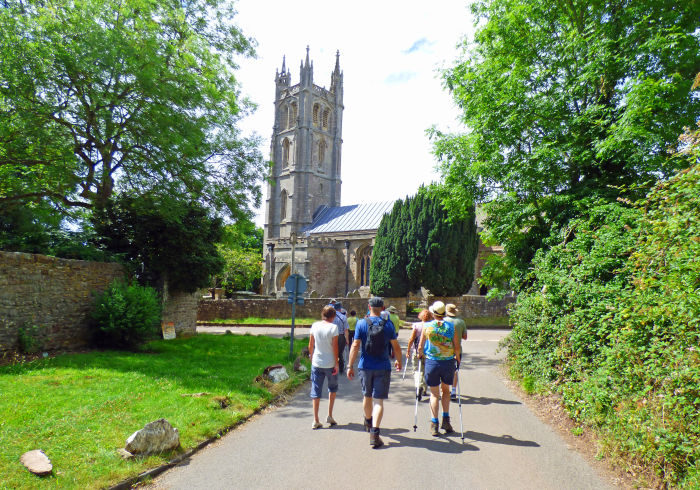
    From the Stone it was then mercifully downhill all the way, passing some of our newly-restored wildflower meadows now alive with bees and butterflies, before finally leaving BET’s nature reserves to walk down to St Andrew’s Church.

    Walk 1 700

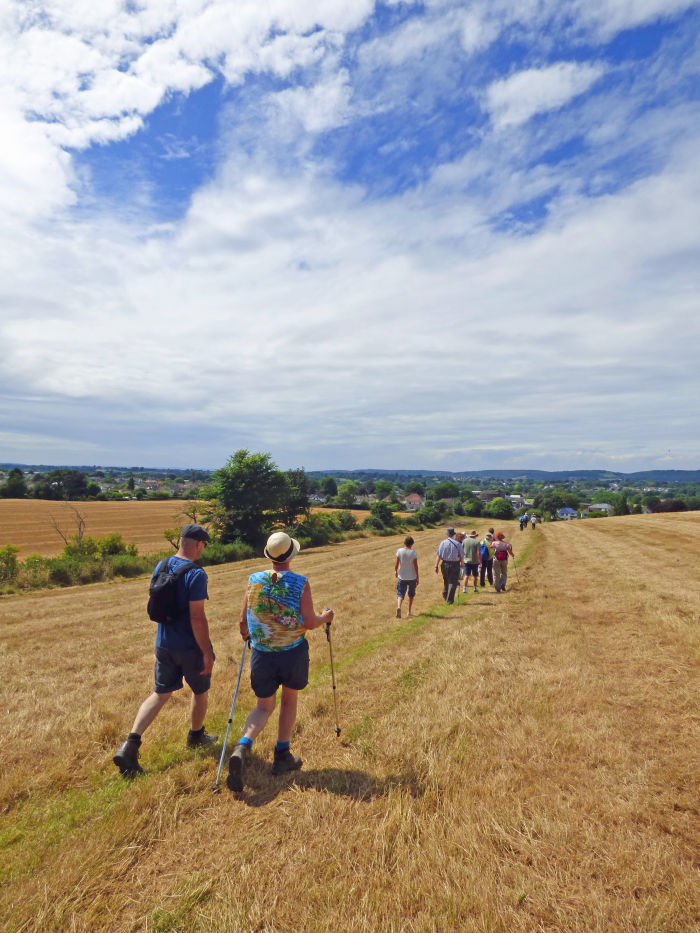
    Then onward, meandering lazily through slowly ripening wheat fields in the summer sun, heading surely and steadily towards Nailsea.

    Walk 2 700

    When we arrive at the Trendlewood Park meadows and woodlands, Pat Gilbert informs our ambling group about the Park and then leads us on a tour taking in the hidden gems of Nowhere Wood and their amazing seeded wildflower meadow project, to name but one.

    GV wildflowers 700

    With the long distance walk behind us now and the heat of the day starting to take its toll, the lure of a team de-brief in the Old Farmhouse Pub finally became too much for us and so we retired to the garden to wet our whistles and reflect on a very enjoyable afternoon stroll.  

    Ian Chambers

  • Moth Trapping – June 2017

    Moth Trapping – June 2017

    After weeks of high winds and generally unfavourable ‘moth’ weather, our chosen night for our first moth trapping session in Badgers Wood was perfect – light winds, dry and warm. We set up in The Layers meadow close to the Cabin as it is superb for wild flowers and has the advantage that it is surrounded by woodland which gave us the chance a attracting as many species as possible. Myself and Colin Higgins (‘Higgy’ from YACWAG) started putting the moth trap together at around 9pm and then we waited for dusk to fall.

    As it started to get dark, we saw five pipistrelle bats hunting for insects over the meadow and then heard some fox cubs screeching in the distance. The declining light then started to bring the moths out and we managed to catch a few before the trap was switched on at around 10pm. Higgy was using this particular battery-powered, ultraviolet led light moth trap for the first time, so he was just as keen as us to see how effective it was going to be. We left the meadow at around 10:30pm and Higgy bravely volunteered to return at daybreak to switch off the light and put the captured moths into the cool of the Cabin until the trap was opened at 9am.

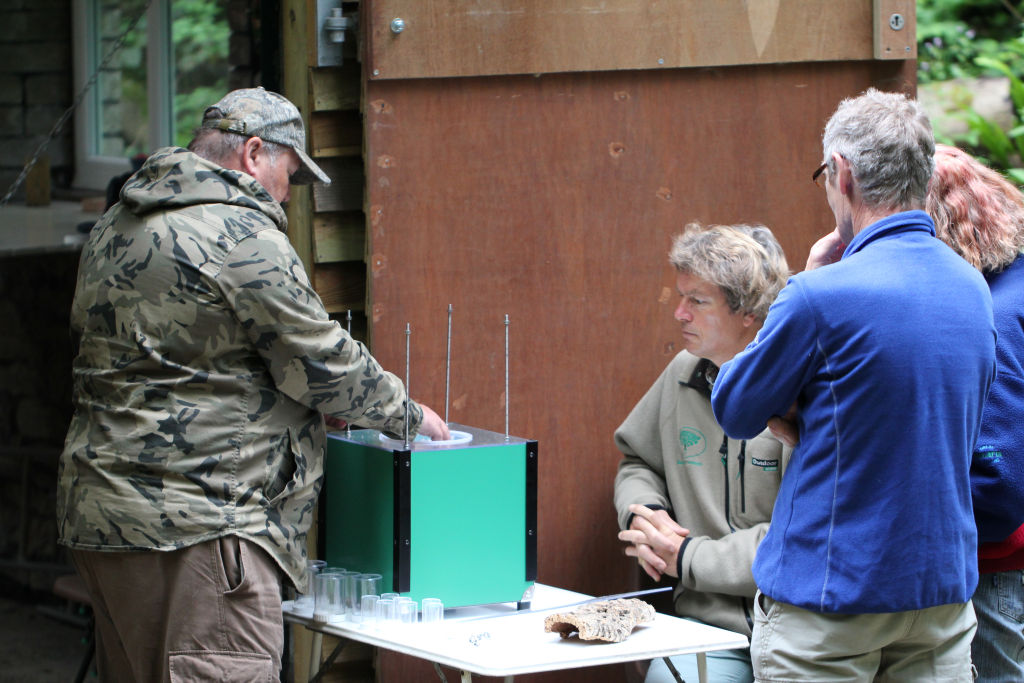
    Moth trap release

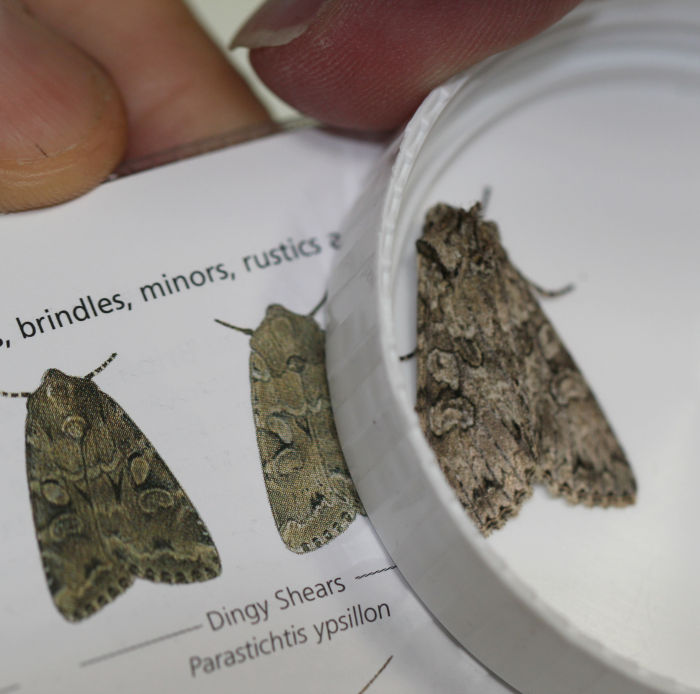
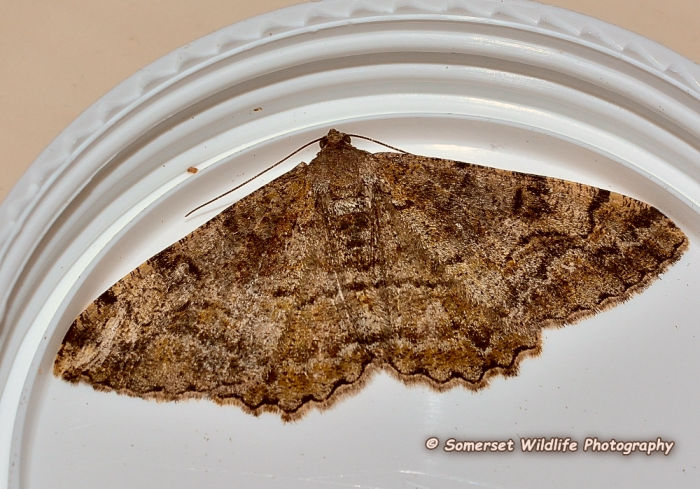
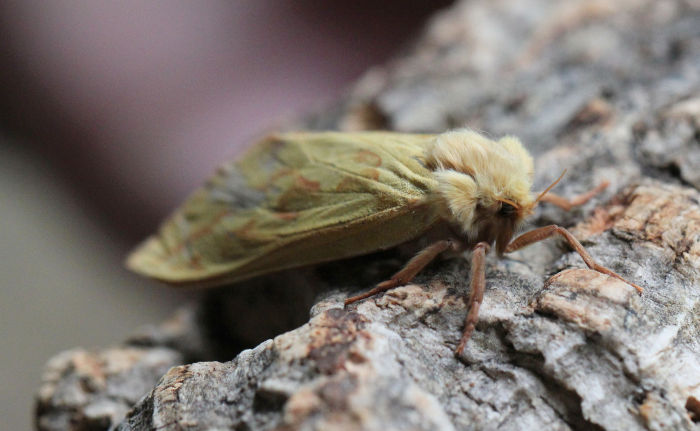
    When the trap was opened, the moths were carefully put into plastic containers so they could be more easily viewed and identified by the attending BET members. There are around 59 species of butterflies in the UK but approximately 2,500 species of moth, some with very variable colours, which made the identification of some species a little tricky!

    Moth id

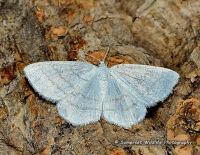
    Grey Arches

    Mottled Beauty

    Mottled Beauty

    Ghost Moth

    Ghost Moth

    After our close inspection, the moths were photographed and then released into the surrounding vegetation. In all, we added ten new species of moth to our species list and hope to follow up with more trapping sessions over the course of the summer.

    Ian Chambers

  • Ash Dieback

    Ash Dieback

    Ash dieback 1

    Ash Dieback on BET Reserves – May 2017

    We are sorry to report that some ash trees on BET’s nature reserves are showing signs of ash dieback disease.

    Ash Dieback Disease

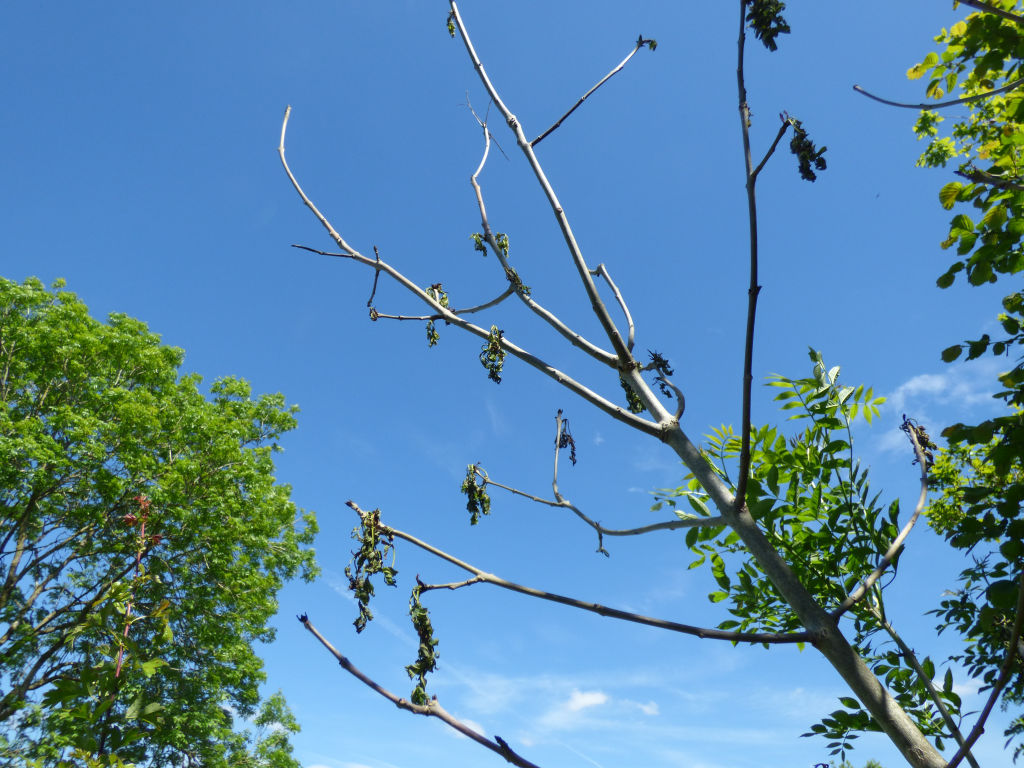
    Unfortunately there are signs of this disease on some of our ash trees.

    Ash dieback 1

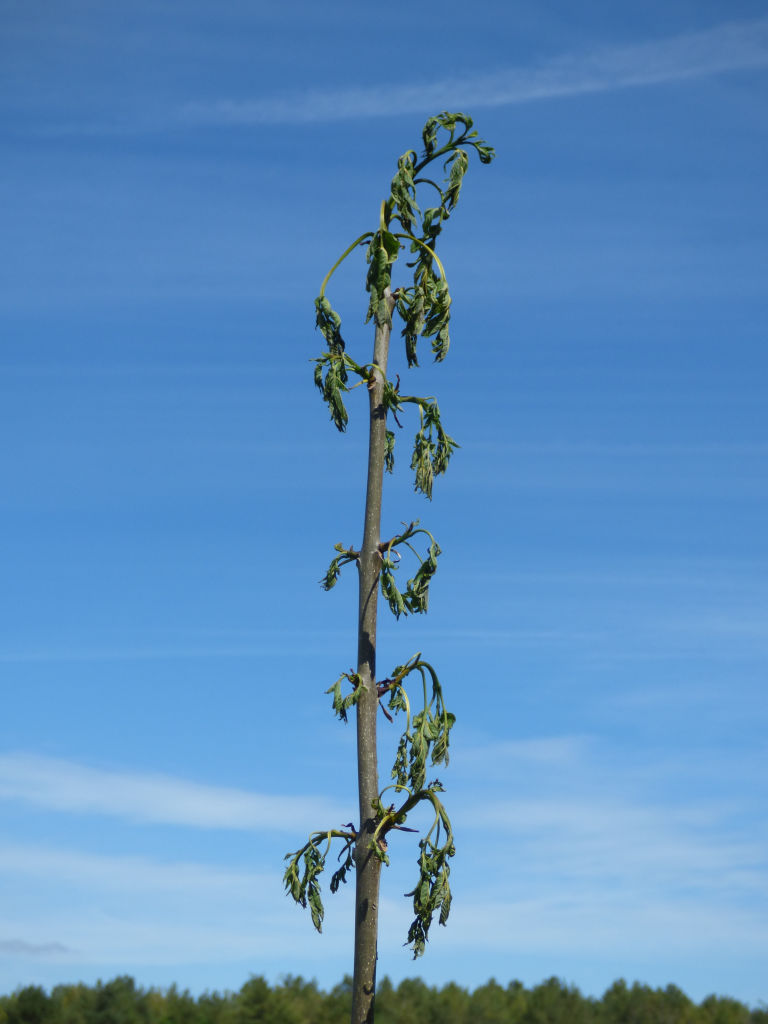
    ‘Chalara’ or ash dieback disease, is a disease of ash trees caused by a fungus called Hymenoscyphus fraxineus. Chalara causes leaf loss, crown dieback and bark lesions in affected trees. Once a tree is infected, the disease is usually fatal, either directly or indirectly by weakening the tree to the point where it succumbs more readily to attacks by other pests or pathogens such as honey fungus.

    Approximately 40% of the woodland on BET’s nature reserves is made up of ash trees so, if the disease did seriously take hold, there’s no doubt it would have a big impact on us. At the moment (May 2017), it seems to be the smaller ash trees (up to 4 metres tall) that are showing the most severe signs of infection, although a few 25 metres high mature trees have suspiciously still not come into leaf. We will probably not be required to take any drastic action such as felling a significant number of trees however, if any infected trees are located close to the road or footpaths, we would probably have to fell them on health & safety grounds.

    Ash dieback 2

    As the ash dieback fungus is classified as a quarantine organism, we have reported our sightings to the Forestry Commission. But it’s not all doom and gloom. It has been suggested that up to 3% of the UK’s ash trees could be resistant to the disease and as each ash tree produces thousands of seeds each year with a very high germination rate, the resistant strains could soon re-colonise our woodlands.